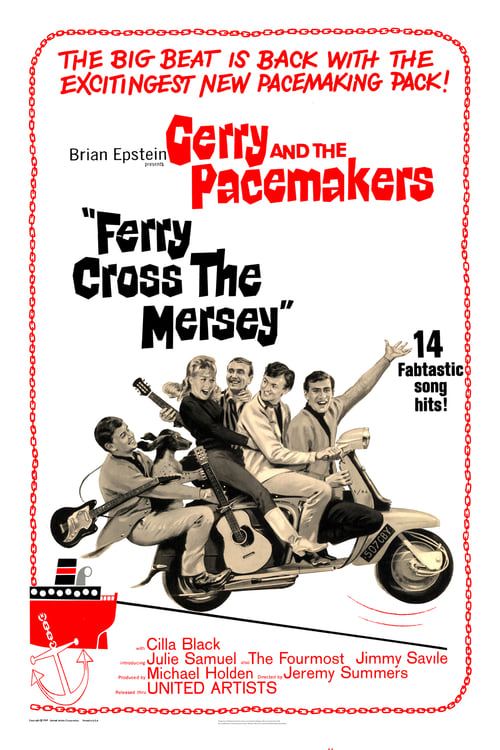
Ferry Cross the Mersey
1965
No user ratings available yet
Representation score: 1.2 out of 10
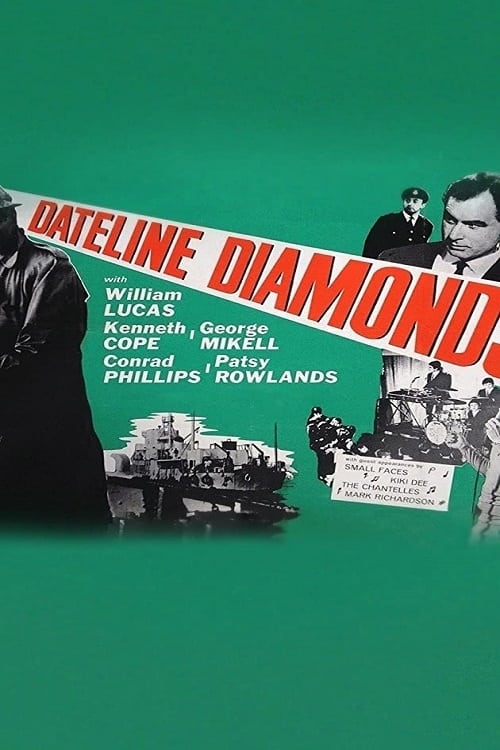
Representation Score
Limited
1965
Director
Jeremy Summers
Runtime
73 minutes
Average Rating
No ratings yetNew Showbiz Analysis
Dateline Diamonds primarily serves as a musical showcase for The Small Faces, emphasizing the pop spectacle of the 1960s. The narrative structure relies on typical crime comedy clichés of the era, avoiding exploration of diverse perspectives. The film reflects the demographic and social limitations of its time, focusing on a specific youth subculture without broadening its scope. It prioritizes entertainment and the 'swinging London' aesthetic, resulting in a narrow focus that lacks diversity.
Category Breakdown
The film does not include any characters with LGBTQ+ identities or same-sex relationships. The story focuses on the band and a crime plot, adhering to the social norms of the 1960s.
The narrative centers around male band members and their manager. Female musicians are present, but they do not have significant independent roles.
The film captures the cultural movements of 1960s London but does not feature a multi-ethnic cast. It follows the demographic norms of mid-century British cinema.
The film highlights the Mod subculture's unique style and music but does not critically examine Western institutions or social structures.
The film does not depict any characters with visible or invisible disabilities. There is no information on how disability is addressed in the film.
Present on Screen
Limited or Absent
Official Synopsis
In this swinging romp through 1960s London, the frenzied manager of mod-rockers the Small Faces (made up of Steve Marriott, Kenney Jones, Ian McLagan and Ronnie Lane) gets into trouble when he agrees to use the band to smuggle diamonds out of the country. Songs include the Small Faces' "I've Got Mine," "It's Too Late," "Come On Children" and "Don't Stop What You're Doing" and The Chantelles' "I Think of You" and "Please Don't Kiss Me."
1965
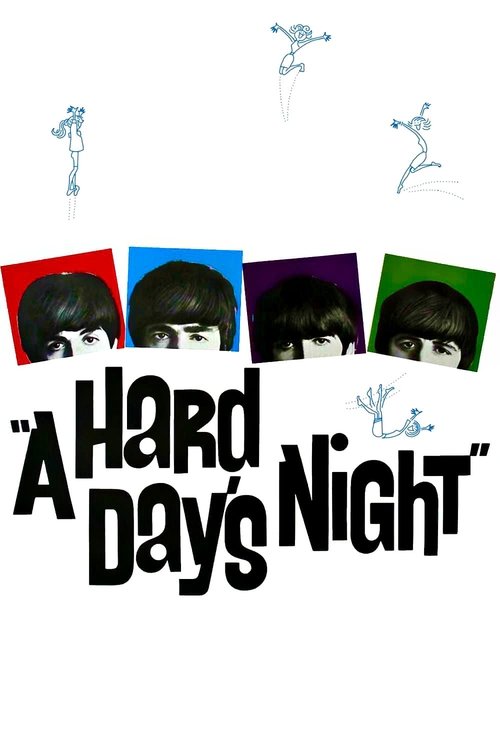
1964
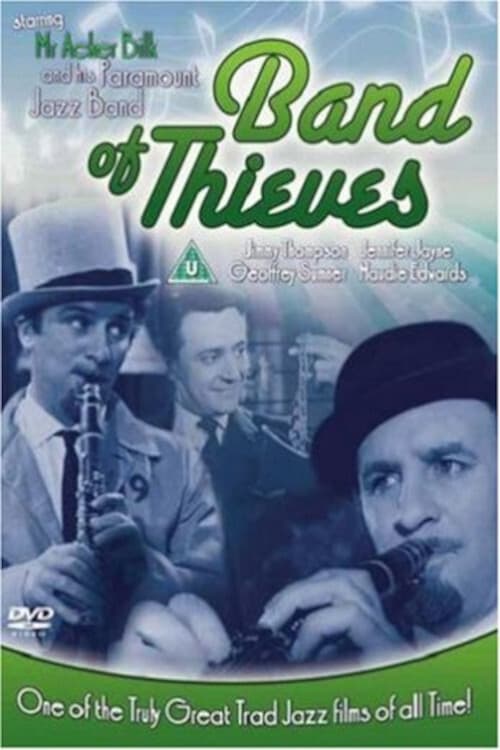
1962
1965
1965
1964
1964
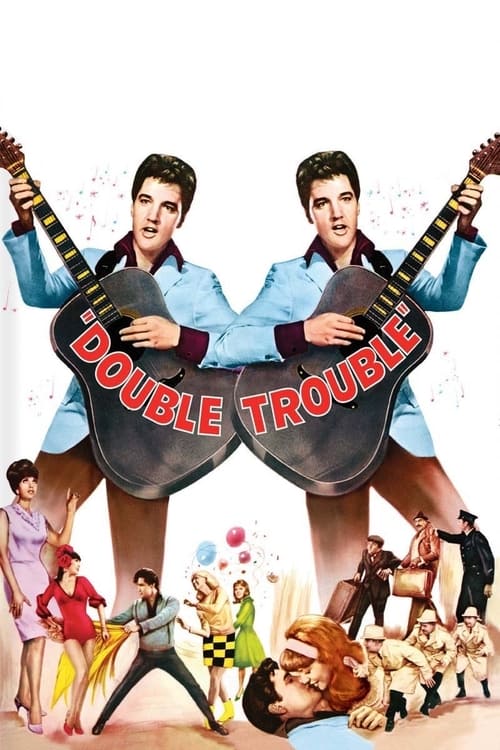
1967
No reviews yet. Be the first to share your thoughts on this movie!
Use the rating form above to leave a star rating and optional review.