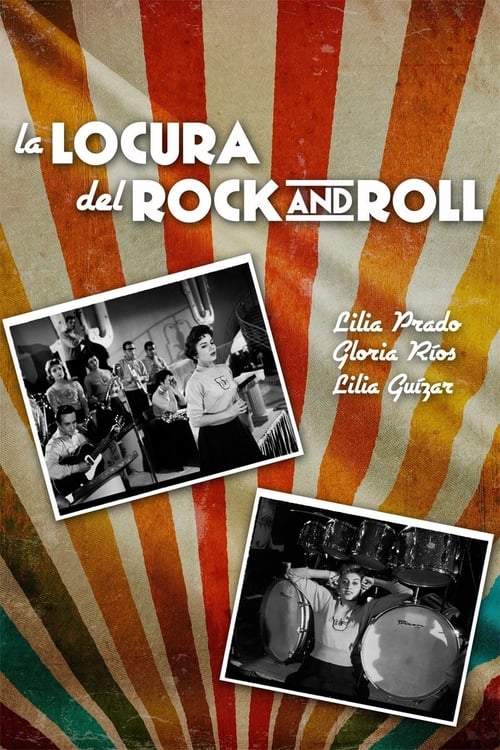
La locura del rock and roll
1957
No user ratings available yet
Representation score: 3.2 out of 10
Representation Score
Minimal
1956
ApprovedDirector
Richard Bartlett
Runtime
89 minutes
Average Rating
No ratings yetNew Showbiz Analysis
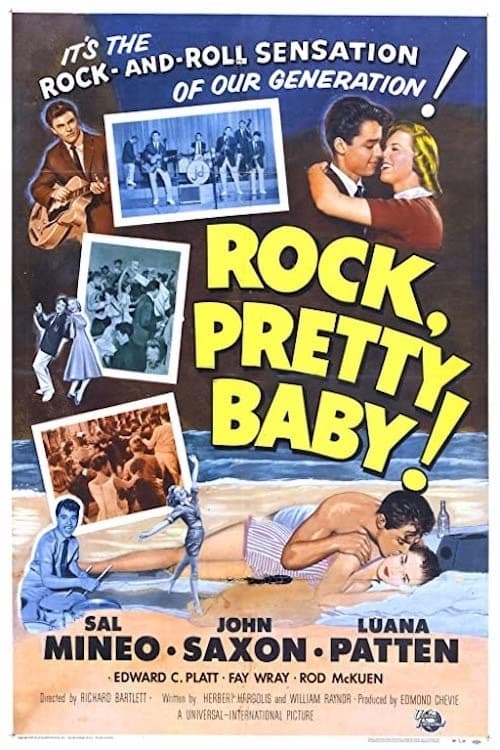
Rock, Pretty Baby is a quintessential product of its time, focusing on the rise of rock-and-roll through a high school band competition. The film follows a traditional genre structure that reinforces the social and cultural norms of the 1950s rather than challenging them. The narrative lacks the complexity needed to address underrepresented groups or disrupt systemic norms. Instead, it offers a homogeneous view of youth culture and musical ambition typical of small-town America during this era. Overall, the film adheres to a conventional perspective, providing little in the way of diverse representation or social critique.
Category Breakdown
The film does not include any characters with non-binary gender identities. The relationships and dynamics among characters adhere to the traditional heterosexual norms of the 1950s.
Gender roles in the film follow the traditional patterns of the mid-1950s. Female characters tend to play supporting or romantic roles rather than driving the narrative or challenging existing hierarchies.
The film reflects the limited diversity of 1950s American cinema. There is no indication of diverse casting or significant racial diversity among the characters.
The story operates within a conventional Western framework. It upholds the social cohesion and values of the mid-1950s without questioning or deconstructing established cultural norms.
The film does not feature any characters with visible or invisible disabilities. The narrative does not use disability as a central theme or character development.
Present on Screen
Limited or Absent
Official Synopsis
A high school rock group enters a band contest.
1957

2005
1944
1963

1967
1978
1958
2004
No reviews yet. Be the first to share your thoughts on this movie!
Use the rating form above to leave a star rating and optional review.