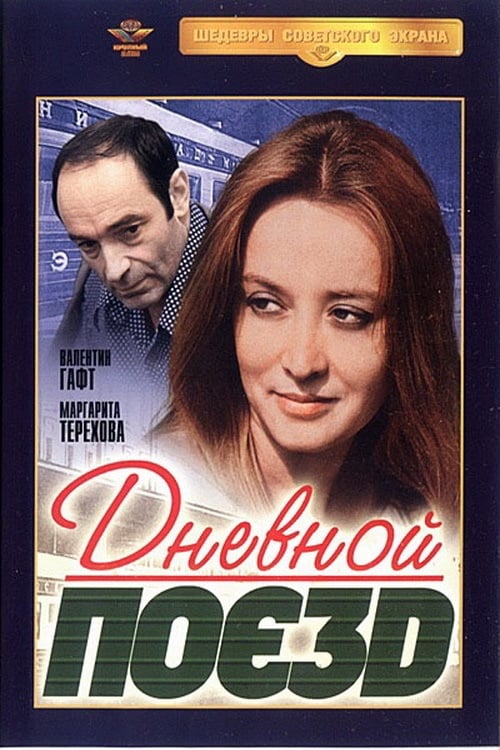
Daylight Train
1976
No user ratings available yet
Representation score: 3.4 out of 10
Representation Score
Limited
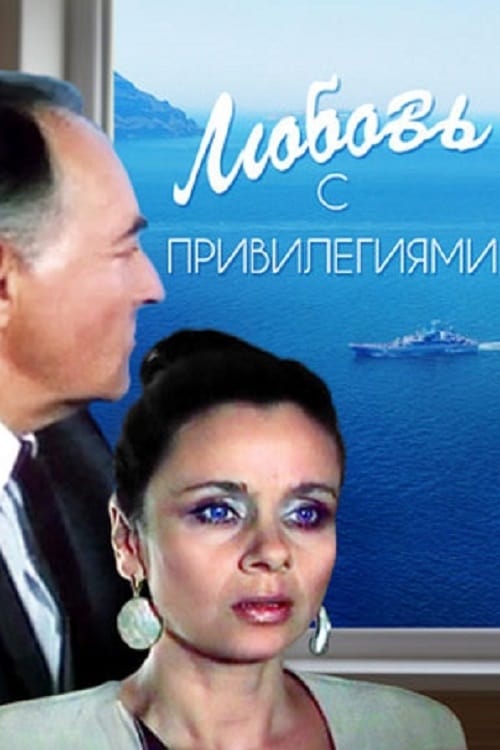
1989
Director
Vladimir Kuchinsky
Average Rating
No ratings yetNew Showbiz Analysis
Love with Benefits is a social drama that emphasizes class mobility and romantic connections over identity-driven storytelling. While it challenges the rigid hierarchies of the late Soviet era, it does so through a conventional lens. The film's strength lies in its exploration of social stratification and the personal empowerment of its female protagonist. It uses a romantic connection to navigate the complexities of status and power within the USSR. However, the film lacks depth in representing diverse identities. It focuses almost exclusively on class issues, offering limited representation for LGBTQ+ or multi-ethnic audiences.
Category Breakdown
The film focuses on a traditional heterosexual relationship between a high-ranking official and a working-class woman. There are no queer narratives or LGBTQ+ themes explored.
Irina's journey from a van driver to a woman of social influence suggests a moderate challenge to passive female roles. However, the power dynamics still favor the male lead.
The setting reflects the demographic homogeneity typical of late-Soviet social realism. The narrative focuses on class differences rather than multi-ethnic or racial diversity.
The story examines the tension between institutional power and individual freedom. It uses a romance that transcends social status to critique bureaucratic rigidity.
There is no information about the inclusion or portrayal of characters with physical or neurodivergent disabilities.
Present on Screen
Limited or Absent
Official Synopsis
USSR, late 80's. Kozhemyakin, the former deputy chairman of the Council of Ministers, comes to Yalta for a vacation. Irina, who works as a van driver, is asked to meet him at the station. Accidental resort acquaintance unexpectedly grew into something more. Neither the difference in age, nor in social status did not become an obstacle. Irina agrees to become Kozhemyakin's wife and moves to Moscow.
1976

1971

1967
1974
2000
1986
1969
1990
No reviews yet. Be the first to share your thoughts on this movie!
Use the rating form above to leave a star rating and optional review.