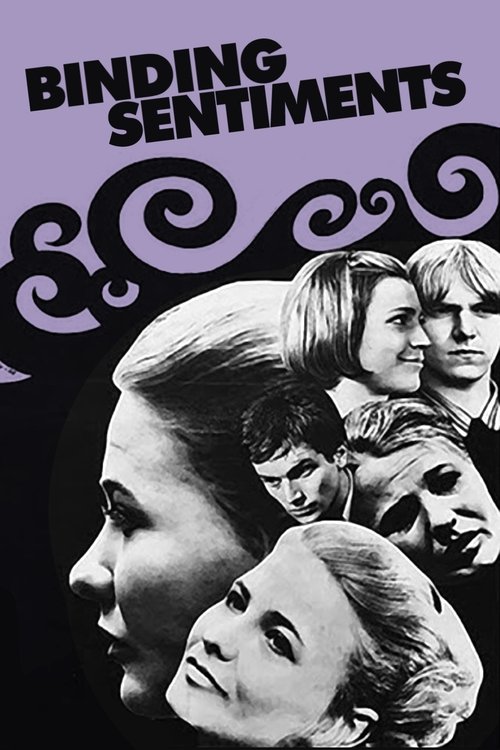
Binding Sentiments
1969
No user ratings available yet
Representation score: 6.8 out of 10
Representation Score
Good
1969
Director
Jerzy Kawalerowicz
Runtime
91 minutes
Average Rating
No ratings yetNew Showbiz Analysis
Jerzy Kawalerowicz’s drama excels at dismantling traditional social structures, especially through its subversion of gender roles. By focusing on the protagonist's internal struggle, the film shifts away from typical domestic narratives to highlight female empowerment and the performative nature of marriage. However, the film remains constrained by the social norms of its time. It lacks explicit LGBTQ+ representation and maintains a homogeneous cast, focusing instead on class and psychological issues within a European context. Ultimately, the work is a study of existentialism. It replaces conventional social cohesion with a nuanced, subjective morality that challenges the stability of Western institutions.
Category Breakdown
The film focuses on the breakdown of a heterosexual marriage and does not include explicit depictions of non-straight or non-cisgender identities or same-sex relationships.
The narrative centers on a woman's intellectual independence and her significant role in driving the story. It challenges traditional gender roles by showing the husband as inadequate rather than a strong leader.
The cast is primarily made up of actors from a similar European background, and the film does not include diverse ethnicities to reflect the period's demographics.
The story questions the sanctity of the nuclear family through moral relativism. It portrays social roles and marriage as performative games rather than fixed truths.
The film does not focus on physical or neurodivergent disabilities. Instead, it explores psychological fragility using metaphors.
Present on Screen
Limited or Absent
Official Synopsis
Professionally active, childless, married woman loses her father during a business trip. With an overwhelming sense of transience and the fear of death, she doubts her attachment to her husband. It turns out that in marriage, too, he only plays his part, with greater or lesser conviction.
1969
1985

1991

1989

2008

2005
1972
1967
No reviews yet. Be the first to share your thoughts on this movie!
Use the rating form above to leave a star rating and optional review.