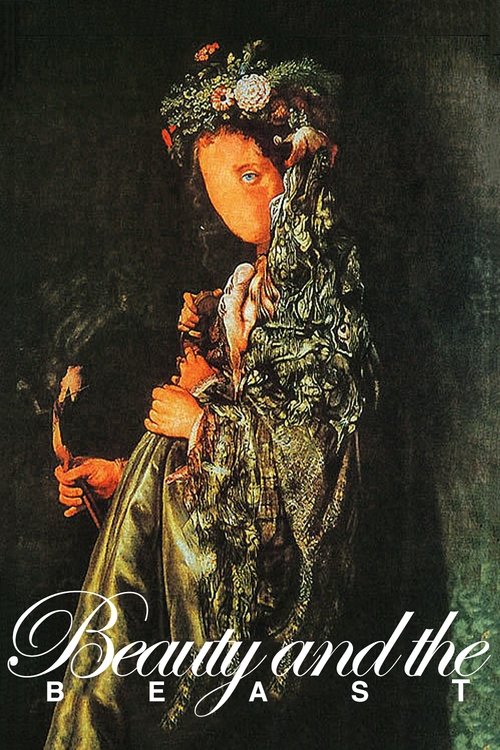
Beauty and the Beast
1979
No user ratings available yet
Representation score: 2.9 out of 10
Representation Score
Limited
1962
NRDirector
Edward L. Cahn
Runtime
77 minutes
Average Rating
No ratings yetNew Showbiz Analysis
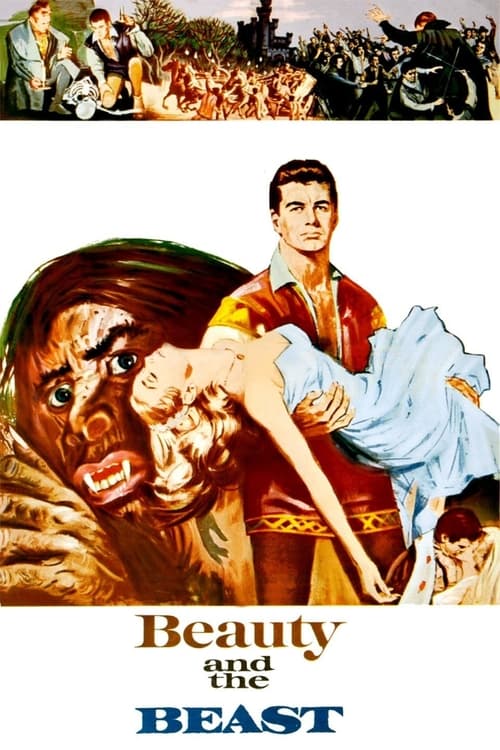
Edward L. Cahn’s 1962 production is a quintessential product of its era, prioritizing genre conventions over social subversion. The film relies on established fairy tale clichés that reinforce the social hierarchies and casting norms of the early 1960s. The narrative structure centers on a classic arc of romantic redemption. This focus maintains traditional gender roles and a homogeneous cultural perspective, offering little room for multi-layered or progressive storytelling. While the film explores themes of monstrosity and humanity through the prince's transformation, it does so through a classical lens. It treats physical difference as a narrative device rather than a nuanced exploration of disability.
Category Breakdown
The film follows traditional romantic structures typical of early 1960s genre cinema. There are no LGBTQ+ characters or narratives that challenge traditional gender identities.
The narrative follows a conventional romantic hierarchy. While the female protagonist plays a key role in redemption, her influence is tied to the emotional well-being of the male lead.
The production reflects the homogeneous casting norms of its time. It stays within a traditional Western folklore framework without making visible efforts toward racial diversity or multi-layered depth.
The story operates within a traditional Western mythological framework. It focuses on individual romantic redemption rather than critiques of religion or Western institutions.
The central plot uses physical deformity as a primary device. While the Beast has ability to act, the film uses physical difference as a metaphor for alienation rather than a lived experience.
Present on Screen
Limited or Absent
Official Synopsis
Curse turns a handsome prince into a Beast at night. A princess tries to help him, while his enemies plot to take his throne.
1979
1939
1960
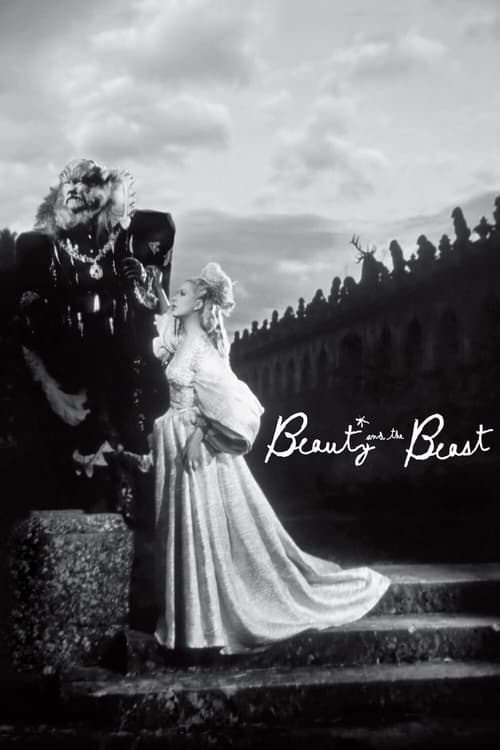
1946
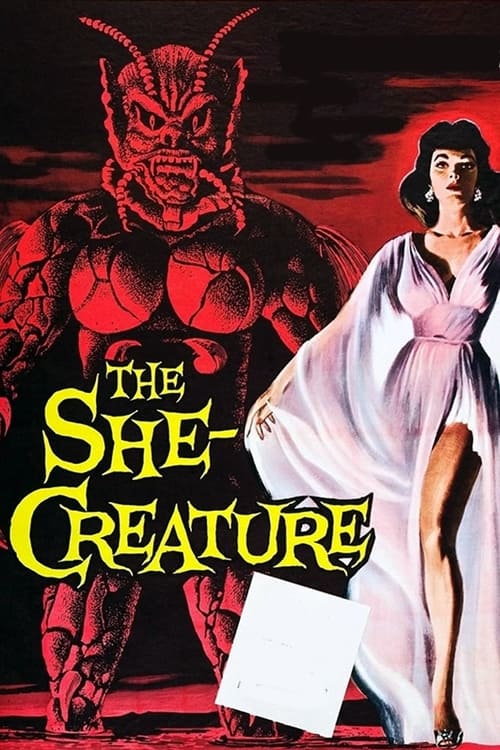
1956
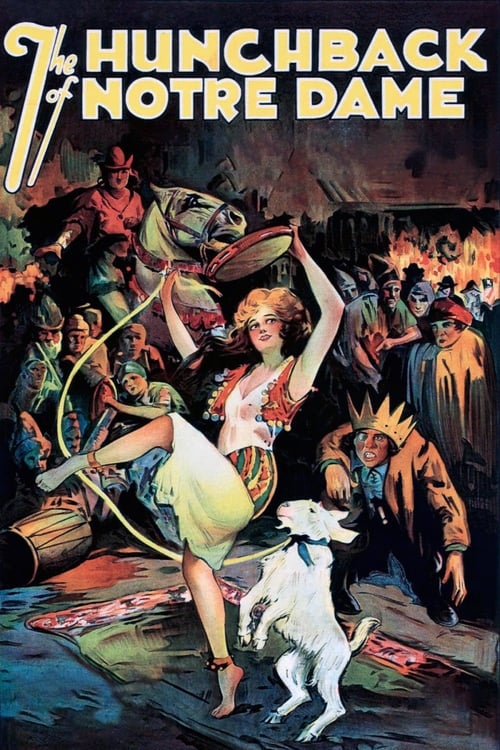
1923
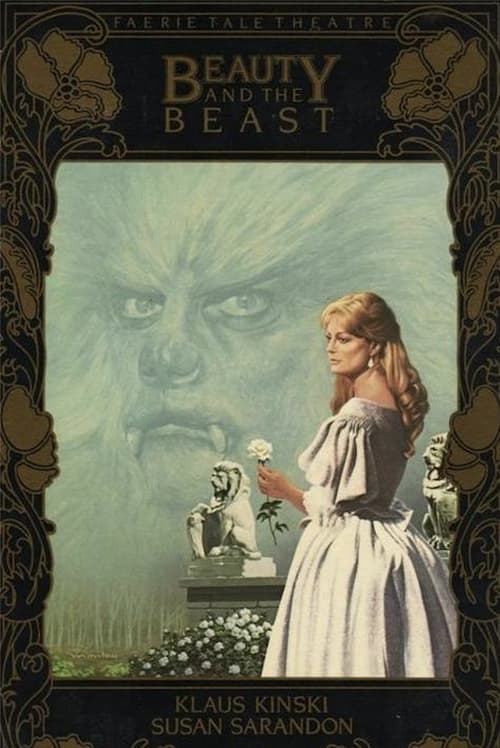
1984
1963
No reviews yet. Be the first to share your thoughts on this movie!
Use the rating form above to leave a star rating and optional review.