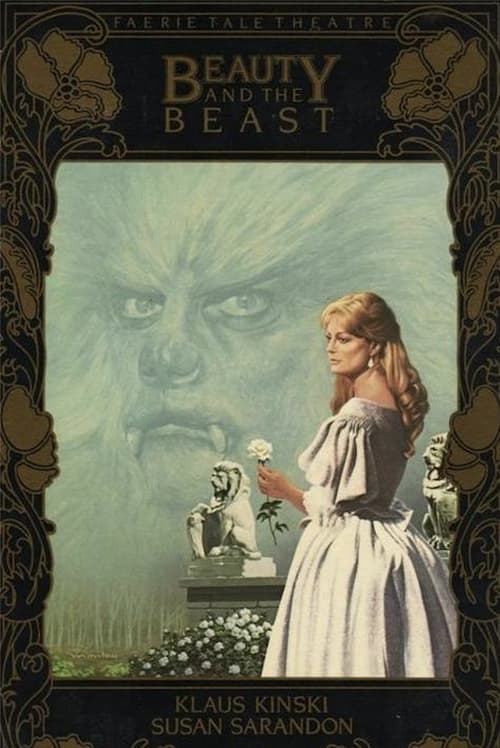
Beauty and the Beast
1984
No user ratings available yet
Representation score: 2.5 out of 10
Representation Score
Limited
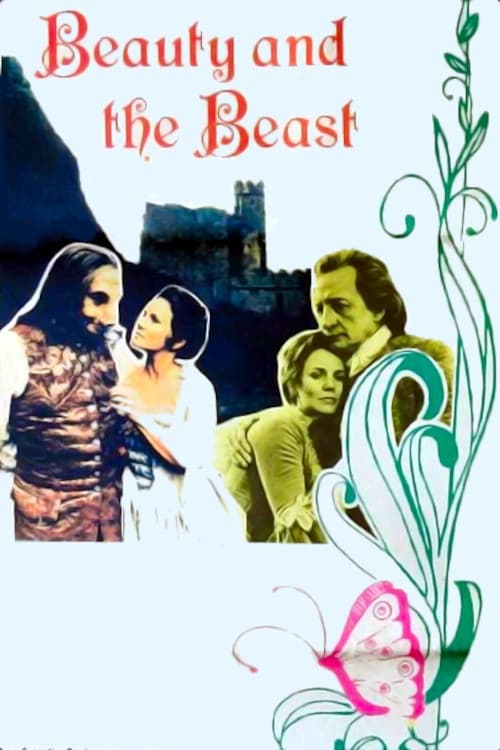
1976
Director
Fielder Cook
Runtime
74 minutes
Average Rating
No ratings yetNew Showbiz Analysis
Fielder Cook's adaptation of this classic folklore is a traditionalist production. It prioritizes established genre norms and classical narrative structures over the inclusion of diverse perspectives or the subversion of social hierarchies. The film's emphasis on the 'transformative power of love' reinforces standard romantic conventions. This approach often prioritizes a conventional resolution over a more nuanced exploration of identity or systemic diversity. While the film avoids mocking the Beast's deformity, it remains rooted in a mid-20th-century moralizing structure. The result is a production that mirrors the homogeneous, Western-centric aesthetics of its era.
Category Breakdown
The film follows a strictly heterosexual and cisgender framework. There are no representations of non-binary gender identities or same-sex relationships.
The story relies on traditional gender roles where women are often expected to sacrifice themselves for others. The female protagonist's role is largely reactive, driven by the need to rescue her father.
The cast is primarily white and uniform, reflecting the European roots of the folklore. The production maintains a traditional Western look without diverse casting.
The story emphasizes conventional Western fairy tale morals and the sanctity of romantic relationships. It lacks any secular or anti-institutional viewpoints.
The Beast's deformity serves as a key narrative element. While exploring inner beauty, the film resolves his physical condition through a transformation cliché.
Present on Screen
Limited or Absent
Official Synopsis
A beautiful girl agrees to marry a hideous, deformed beast and live in his castle in order to save her father's life.
1984
1997
1987
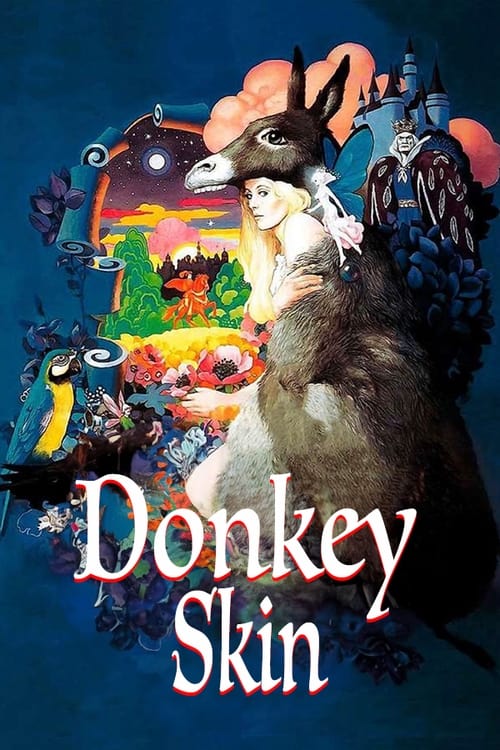
1970

2014
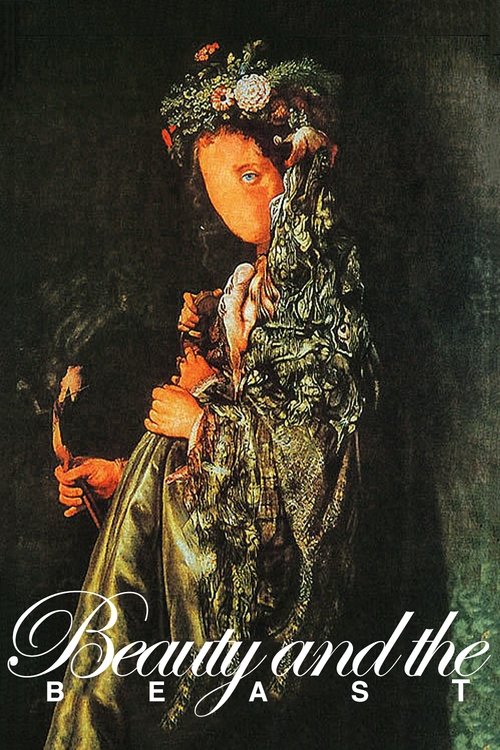
1979
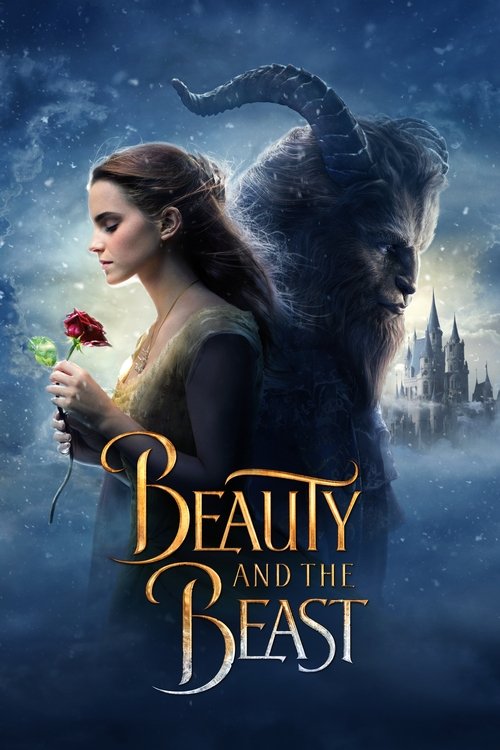
2017
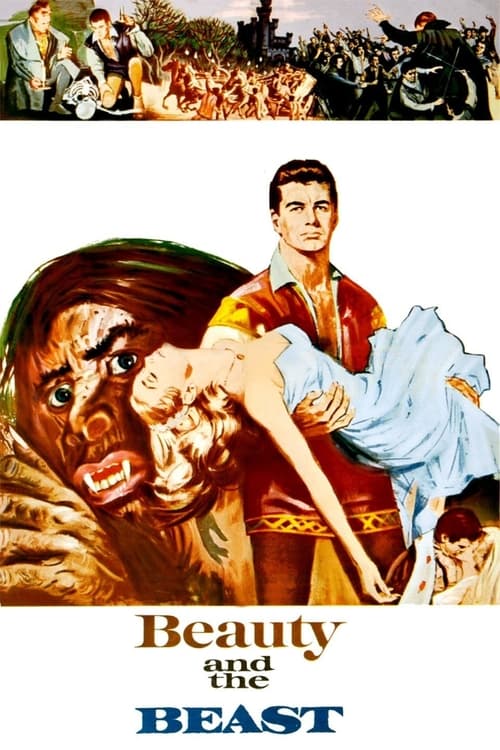
1962
No reviews yet. Be the first to share your thoughts on this movie!
Use the rating form above to leave a star rating and optional review.