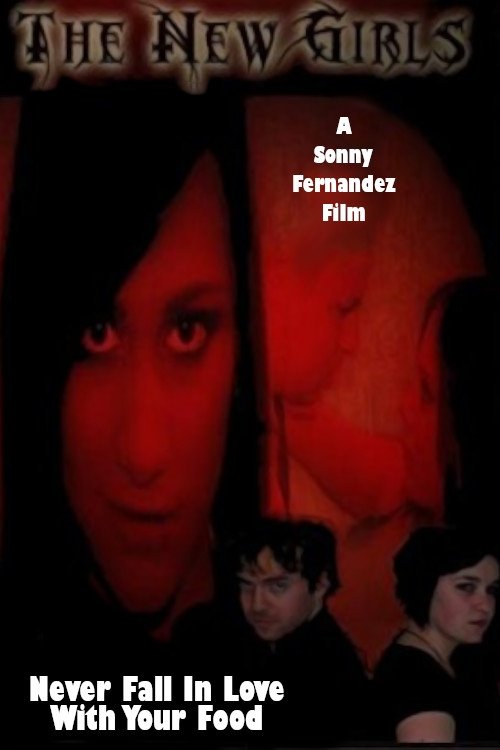
The New Girls
2009
No user ratings available yet
Diversity score: 3.2 out of 10

1960
Not RatedDirector
Roger Vadim
Runtime
79 minutes
Average Rating
No ratings yetSynopsis
The spirit of a vengeful female vampire is released from her grave and possesses a wealthy young woman of nobility, who preys on other women in her village.
Overall Score
Limited
Category Breakdown
LGBTQ+ Representation
The film adheres to strict heteronormative structures. The plot is confined to a romantic triangle between the female lead and two male suitors, offering no non-cisnormative identities.
Gender Representation
The narrative disrupts traditional archetypes by centering on the protagonist's sexual agency. While male dialogue is prominent, her psychological autonomy drives the central conflict.
Racial & Ethnic Diversity
The cast is entirely homogeneous and European. Consistent with its 19th-century setting, the film lacks any racial blending or non-white characters.
Religious & Cultural Diversity
The story operates within a Western aristocratic framework. It prioritizes personal passion over religious decorum, offering a mild deconstruction of rigid societal constraints.
Disability Representation
There are no depictions of physical, sensory, or neurodivergent identities. Characters are defined solely by their socioeconomic status and romantic roles.
Strengths
Areas for Improvement
AI Analysis
Blood and Roses is a period melodrama that finds its strength in subverting mid-century feminine archetypes. By positioning the female protagonist's desires as the primary driver of the plot, the film grants her a level of psychological autonomy rarely seen in traditional 19th-century depictions. However, these progressive elements are localized. The film remains deeply rooted in a homogeneous European setting, lacking any meaningful racial, LGBTQ+, or disability representation. The narrative structure is largely defined by the era's conventional social and romantic frameworks.
2009
1970
1979
2010

1975

1996
No reviews yet. Be the first to share your thoughts on this movie!
Use the rating form above to leave a star rating and optional review.