
Satan's Rhapsody
1917
No user ratings available yet
Representation score: 4.0 out of 10
Representation Score
Limited
1954
Director
Juan Bustillo Oro
Runtime
103 minutes
Average Rating
No ratings yetNew Showbiz Analysis
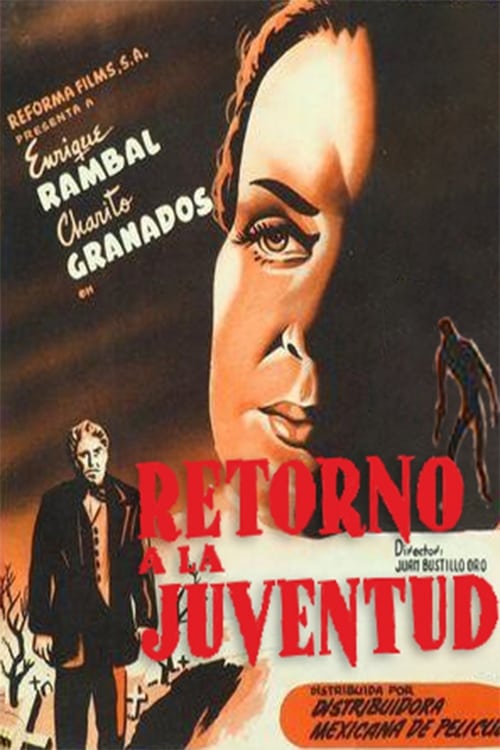
Return to Youth is a mid-century Mexican melodrama that prioritizes genre conventions over social subversion. It functions as a traditional character study of aging and romantic disillusionment, utilizing fantasy and horror elements to explore individual tragedy. The film's strengths lie in its cultural authenticity, centering a domestic Mexican cast rather than following Hollywood's era-specific trends of whitewashing. This provides a grounded regional context for the story. However, the film reinforces the social hierarchies of its time. It lacks LGBTQ+ representation and limits women's ability to drive the story to the romantic sphere, while maintaining a strictly traditional moral and social framework.
Category Breakdown
The film does not include any representation of LGBTQ+ identities or non-straight relationships. The central conflict revolves around a conventional pursuit of heterosexual romance.
Silvia Pinal has significant screen time, but her role is limited to emotional and romantic aspects. The plot is driven by male desire, positioning the female lead as an object of pursuit.
The production features a predominantly Mexican cast, avoiding the whitewashing common in contemporary Hollywood imports. However, the casting aligns with the social hierarchies of 1950s Mexico.
The narrative operates within mid-century moral norms, focusing on personal morality and spiritual consequences. It lacks any anti-institutional or anti-capitalist sentiment, adhering to a traditional moral framework.
There are no depictions of physical, sensory, or neurodivergent disabilities within the narrative.
Present on Screen
Limited or Absent
Official Synopsis
An old professor in love with one of his students is rejected by her because of his advanced age. He then sells his soul in return for youth and a chance at love but things don't go as he planned.
1917
1960

1964
1945
1955

1976

1961

1994
No reviews yet. Be the first to share your thoughts on this movie!
Use the rating form above to leave a star rating and optional review.