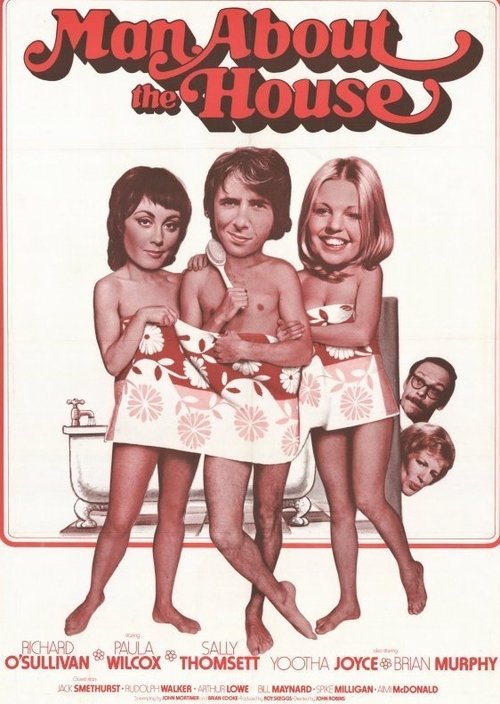
Man About the House
1974
No user ratings available yet
Diversity score: 3.0 out of 10
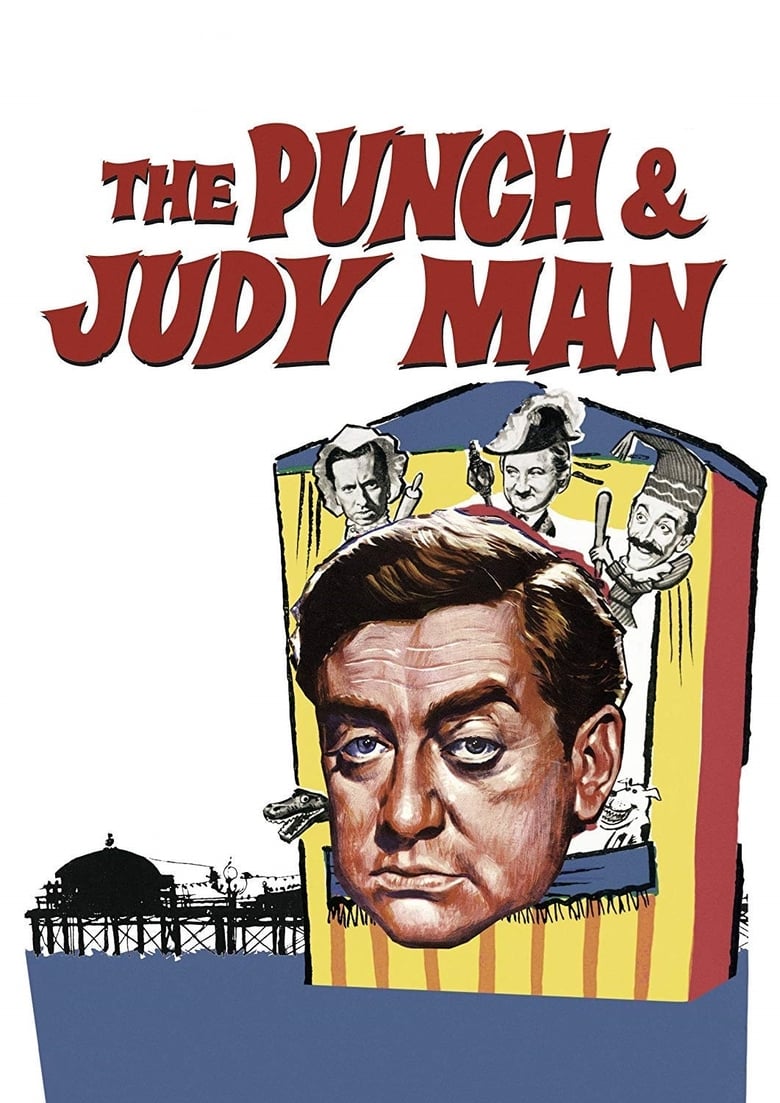
1963
Director
Jeremy Summers
Runtime
96 minutes
Average Rating
No ratings yetSynopsis
Walter Pinner is the titular Punch And Judy Man plying his trade in the seaside town of Piltdown. Unhappily married to his social climbing wife, who gets him to perform at the 60th Anniversary celebrations of the town in front of all the local dignitaries, his hatred of snobbery comes to a hilarious head.
Overall Score
Limited
Category Breakdown
LGBTQ+ Representation
The film lacks any depiction of non-heteronormative identities or same-sex intimacy. The story focuses on a traditional marital unit within a 1960s framework.
Gender Representation
Gender dynamics center on a conflict between an unhappy husband and a social-climbing wife. This relies on traditional tropes rather than providing women with high agency.
Racial & Ethnic Diversity
The setting suggests a culturally monolithic British social structure. There is no indication of a multi-ethnic cast or characters of color in roles of agency.
Religious & Cultural Diversity
The narrative critiques local classism and snobbery through the protagonist's perspective. However, it lacks a broader systemic deconstruction of religion or Western institutions.
Disability Representation
There is no mention of characters with visible or invisible disabilities within the narrative.
Strengths
Areas for Improvement
AI Analysis
The film is a traditional period comedy that operates within the demographic and social constraints of 1963 Britain. While it offers a minor disruption of local hierarchies by mocking social pretension, it lacks intersectional depth. The production adheres to conventional mid-century tropes, focusing on class friction rather than systemic subversion. The lack of diverse casting and the reliance on established gender and social archetypes result in a low diversity profile.
1974
1961

1966
1976
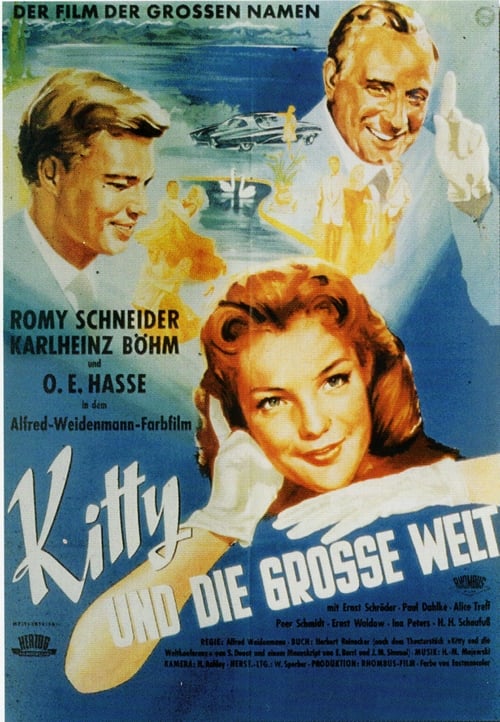
1956
1952
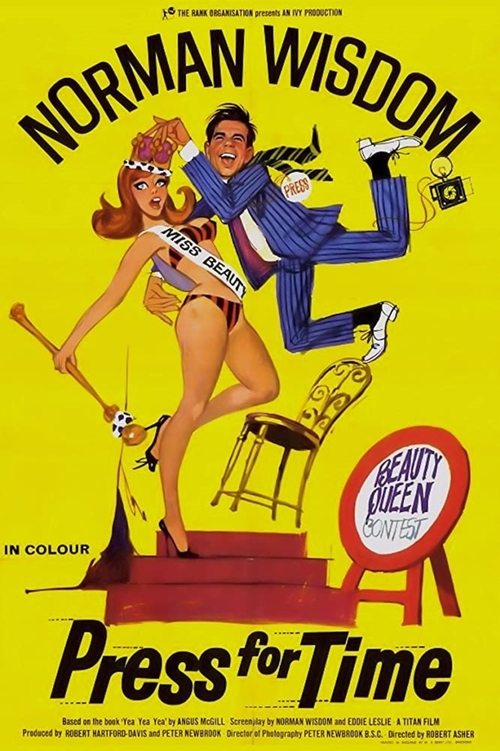
1966
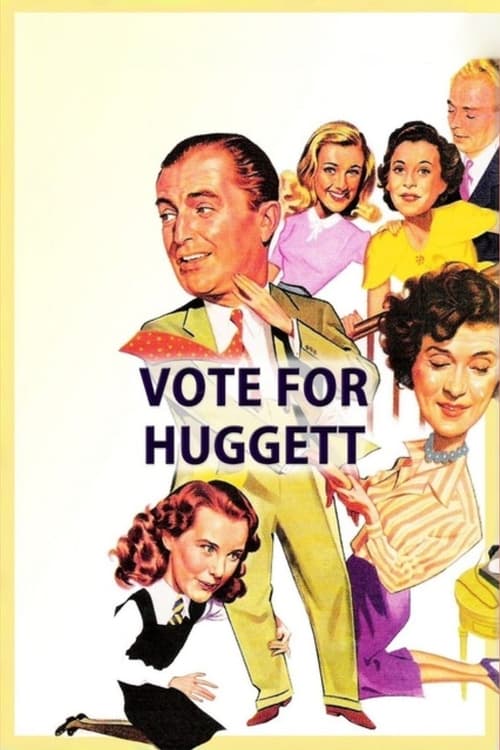
1949

1965
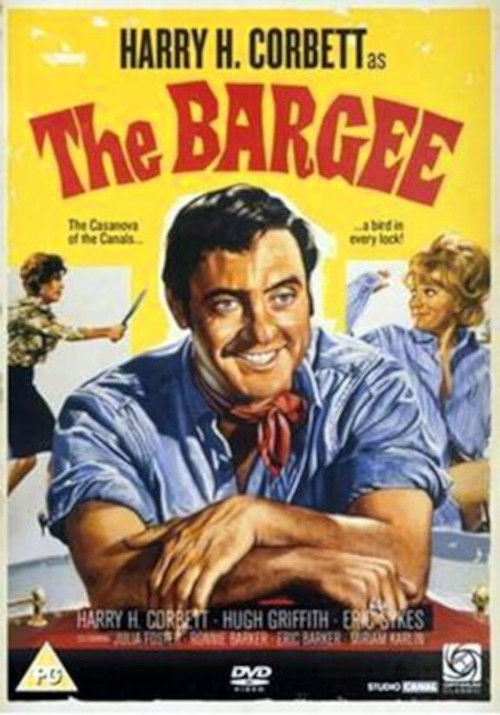
1964

1958
1997
No reviews yet. Be the first to share your thoughts on this movie!
Use the rating form above to leave a star rating and optional review.