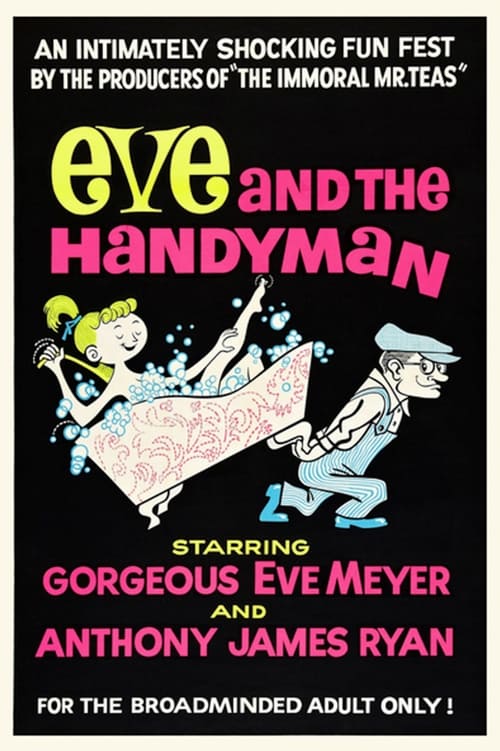
Eve and the Handyman
1961
No user ratings available yet
Diversity score: 3.0 out of 10

1976
RDirector
John Sealey
Runtime
100 minutes
Average Rating
No ratings yetSynopsis
A young handyman and his wife move to a small village and set up business. There, the handyman encounters numerous strange characters, including a local constable more inept than a squad car full of Keystone Kops; an elderly magistrate whose primary passion is spanking young women; a schoolmistress with a closetful of kinks; and more predatory housewives than the young man can handle.
Overall Score
Limited
Category Breakdown
LGBTQ+ Representation
The film focuses on traditional romantic and sexual dynamics. There is no indication of LGBTQ+ characters or narratives that challenge heteronormativity.
Gender Representation
Female characters are framed through the male protagonist's experiences. The depiction of a magistrate's interest in spanking women suggests regressive gendered power dynamics.
Racial & Ethnic Diversity
The small village setting and 1976 production context suggest a homogeneous demographic. There is no evidence of a non-Anglo-Saxon majority cast.
Religious & Cultural Diversity
The comedy relies on established social hierarchies and traditional tropes. It functions as a standard situational farce rather than a deconstruction of institutions.
Disability Representation
The narrative contains no mention of characters with visible or invisible disabilities.
Strengths
Areas for Improvement
AI Analysis
The film operates as a period-specific British farce that prioritizes traditional character archetypes. It centers on a singular male perspective, navigating a series of eccentric encounters within a small-village setting. Representation is limited by the era's comedic conventions, which favor heteronormative social dynamics and established hierarchies. The narrative lacks intersectional complexity or any significant subversion of social structures. Ultimately, the work functions as a character-driven comedy that reinforces the status quo rather than challenging it through diverse casting or inclusive storytelling.
1961
1959
1972

1967
1976
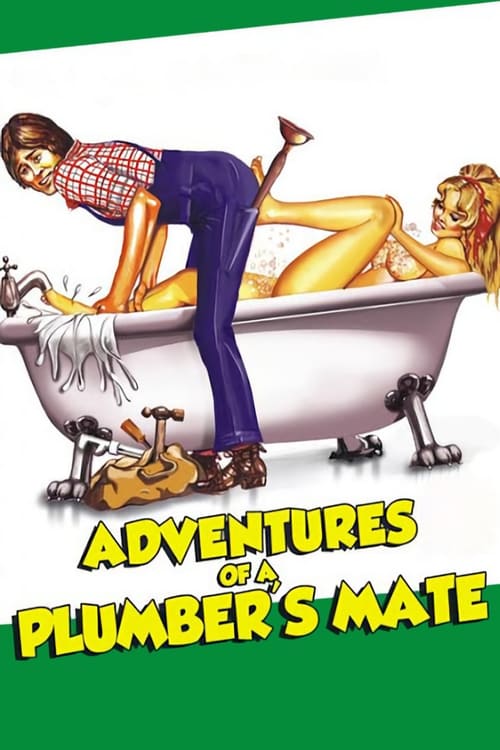
1978

1981
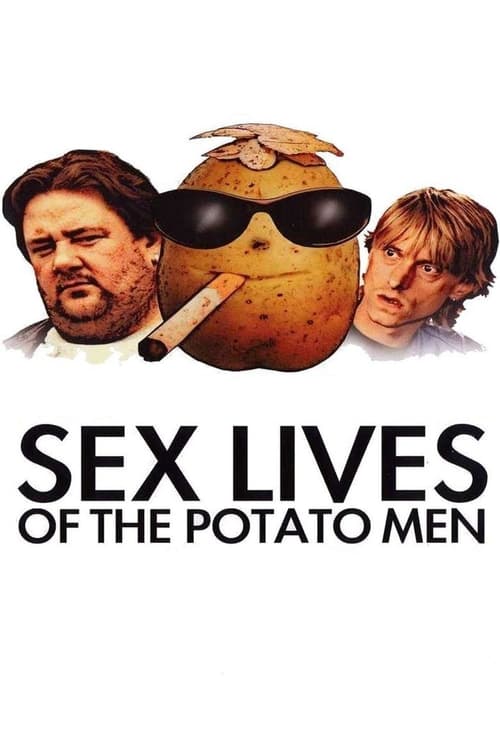
2004
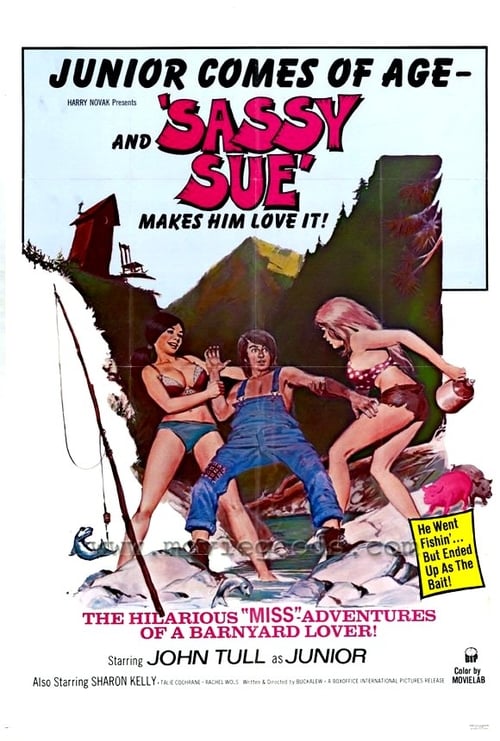
1973

1974
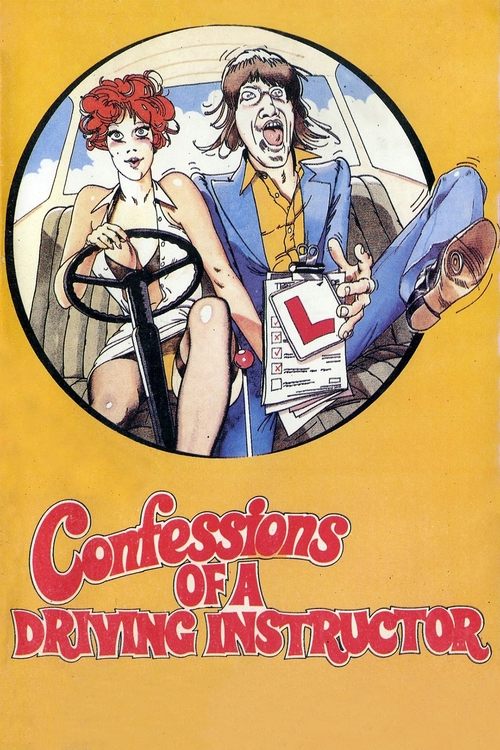
1976
1963
No reviews yet. Be the first to share your thoughts on this movie!
Use the rating form above to leave a star rating and optional review.