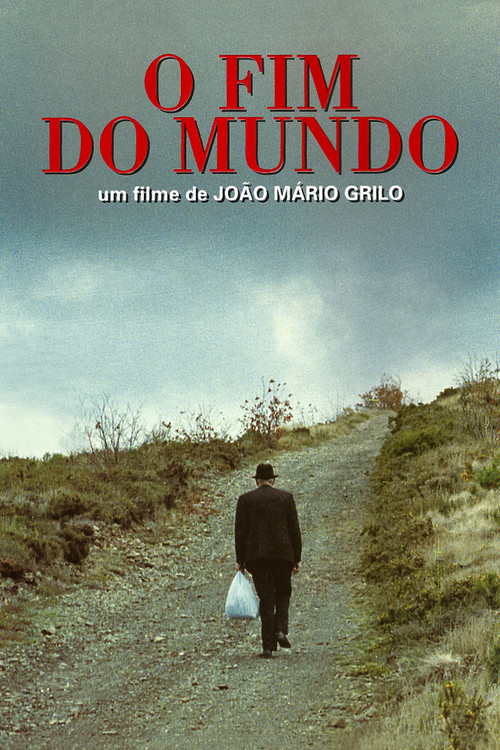
The End of the World
1993
No user ratings available yet
Representation score: 4.5 out of 10

Representation Score
Fair
1972
Director
Fernando Lopes
Runtime
66 minutes
Average Rating
No ratings yetNew Showbiz Analysis
Fernando Lopes employs the sophisticated language of the Cinema Novo movement to deconstruct traditional social hierarchies. The film moves away from simple moral lessons, opting for a psychological exploration of individual ability to act within a rigid class structure. While the narrative centers on the landed gentry, it avoids the simplicity of conventional period dramas. By focusing on the internal lives and psychological isolation of its protagonists, the film offers a nuanced look at the complexities of social standing. However, the film's focus remains largely within the confines of the elite, limiting broader representation of racial and LGBTQ+ identities.
Category Breakdown
The film explores the interpersonal dynamics among the landed gentry. There is no indication of LGBTQ+ identities or narratives that challenge assumptions about straight relationships.
The story centers on a widowed aristocrat exploring her inner world. This character study breaks away from traditional clichés by avoiding passive domestic roles for women.
The narrative reflects the class and racial structures of rural society. While it may engage with systemic inequities, specific details on cast diversity are unconfirmed.
The film uses psychological realism to examine the elite through a fragmented lens. It critiques traditional social institutions rather than presenting an idealized view of the upper class.
There is no evidence of characters with visible or invisible disabilities within the provided context.
Present on Screen
Limited or Absent
Official Synopsis
This Portuguese drama examines the daily life minutiae and intrigues of two scions of society in the rural village where they live. One is a wealthy landowner, the other a widowed aristocrat who lives in a world of her own.
1993
1978
1989

1963
1982

2012
1984
1971
No reviews yet. Be the first to share your thoughts on this movie!
Use the rating form above to leave a star rating and optional review.