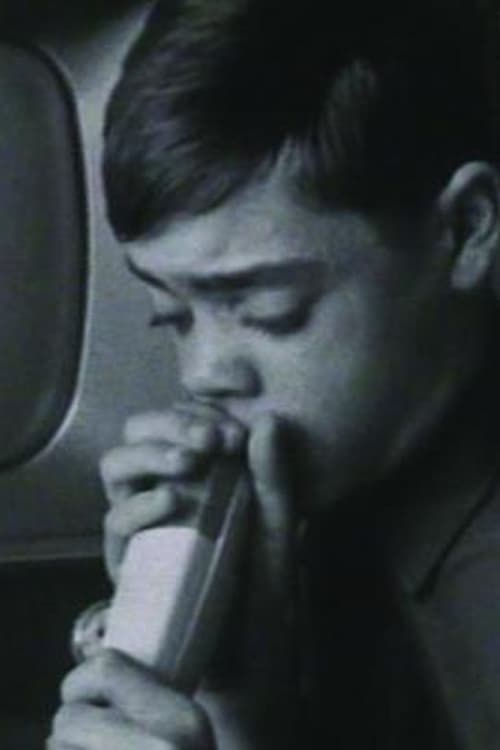
The Blind Child
1964
No user ratings available yet
Representation score: 5.9 out of 10
Representation Score
Limited
1964
Director
Saul Bass
Runtime
22 minutes
Average Rating
No ratings yetNew Showbiz Analysis
Saul Bass’s documentary is a formalist exercise in visual theory rather than a character-driven social narrative. It functions as a visual essay on the mechanics of sight, using a child's perspective to explore how reality is constructed by individual awareness. Because the film lacks a structured cast, dialogue, or interpersonal conflict, it lacks the narrative machinery to engage with multi-layered identities or systemic power dynamics. It prioritizes aesthetic and sensory inquiry over social representation. Ultimately, the work deconstructs visual certainty rather than engaging with the complexities of human identity or social hierarchies.
Category Breakdown
The film is a non-narrative, observational documentary focused on visual perception. It contains no LGBTQ+ characters, romantic subplots, or gender-nonconforming identities.
The narrative centers on a singular, non-gendered perspective through a young boy. There is a lack of female presence or ability to act within the visual field.
The visual focus remains on a singular, localized setting. There is no evidence of a multi-ethnic cast or intentional blending of racial identities.
The film prioritizes sensory experience and nature over structured human institutions. It avoids promoting singular religious or nationalistic morality through its secular, observational mode.
The film lacks characters with explicit disabilities. However, its focus on the subjectivity of perception serves as a subtle metaphor for sensory processing differences.
Present on Screen
Limited or Absent
Official Synopsis
The simple actions of a young boy on the beach provide visual metaphors for the normally unseen world. The camera adds a profound dimension to what the boy has seen, giving us a deeper understanding of visual awareness.
1964
1929

2010

1977
1964
1974
1956
1993
No reviews yet. Be the first to share your thoughts on this movie!
Use the rating form above to leave a star rating and optional review.