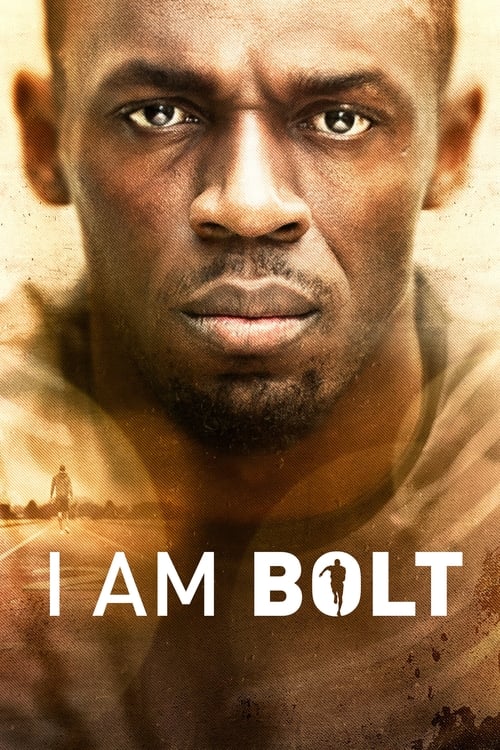
I Am Bolt
2016
No user ratings available yet
Diversity score: 4.8 out of 10

1961
NRDirector
Romolo Marcellini
Runtime
142 minutes
Average Rating
No ratings yetSynopsis
Events and athletes that characterized the 1960 Summer Olympics in Rome. From the absolute protagonist Wilma Rudolph, called the black gazelle, to Livio Berruti, the first white to win the 200 meters, to the deeds of Ethiopian marathon runner Abebe Bikila, who won the marathon racing barefoot.
Overall Score
Fair
Category Breakdown
LGBTQ+ Representation
The film contains no evidence of LGBTQ+ characters or narratives. It adheres to the social norms of 1961, focusing strictly on athletic achievement.
Gender Representation
Wilma Rudolph serves as a central figure of immense agency and physical prowess. However, the broader narrative remains focused on male-dominated athletic hierarchies typical of the era.
Racial & Ethnic Diversity
The documentary centers non-white protagonists like Wilma Rudolph and Abebe Bikila. These portrayals challenge racial hierarchies by positioning Black athletes as primary drivers of excellence.
Religious & Cultural Diversity
The film celebrates internationalism and human achievement. While it introduces non-Western perspectives through African success stories, it maintains a traditional celebratory tone toward the Olympic institution.
Disability Representation
There is no evidence regarding the depiction of individuals with physical or neurodivergent disabilities within this documentary.
Strengths
Areas for Improvement
AI Analysis
The Grand Olympics functions as a historical record that disrupts Eurocentric sporting narratives through its focus on individual merit. By centering athletes like the 'black gazelle' Wilma Rudolph and Ethiopia's Abebe Bikila, the film provides significant agency to Black and African competitors. While the film lacks modern intersectional frameworks or queer representation, its emphasis on non-white excellence represents a meaningful departure from the homogeneous casting of mid-century media. It uses the Olympic stage to show how athletic performance can momentarily transcend traditional social hierarchies.
2016
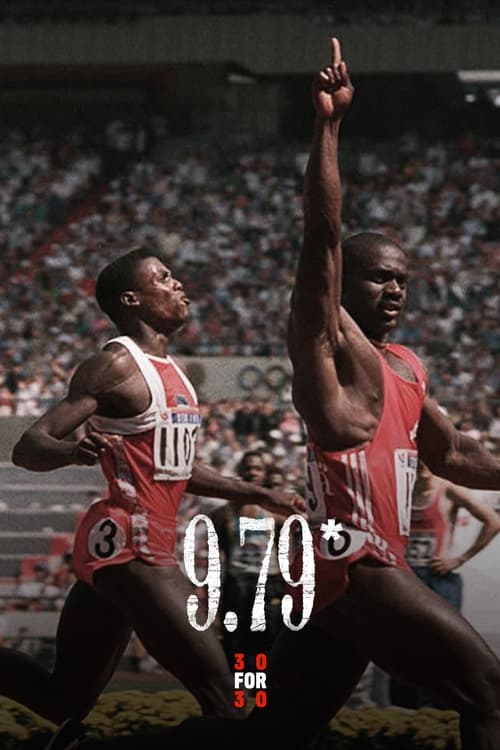
2013
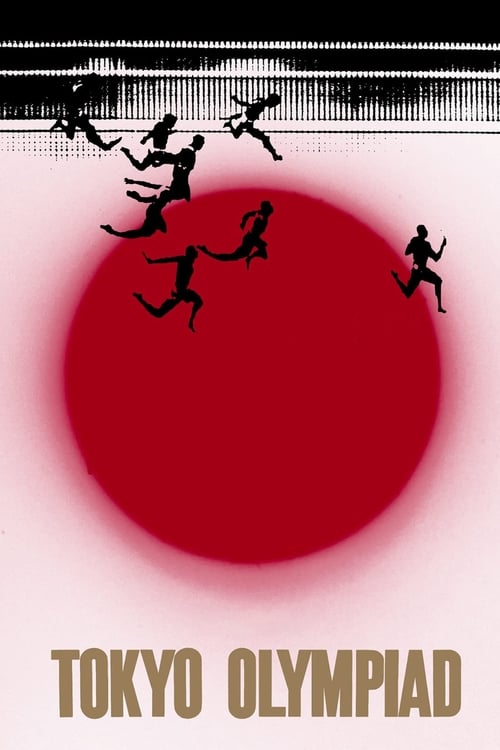
1965
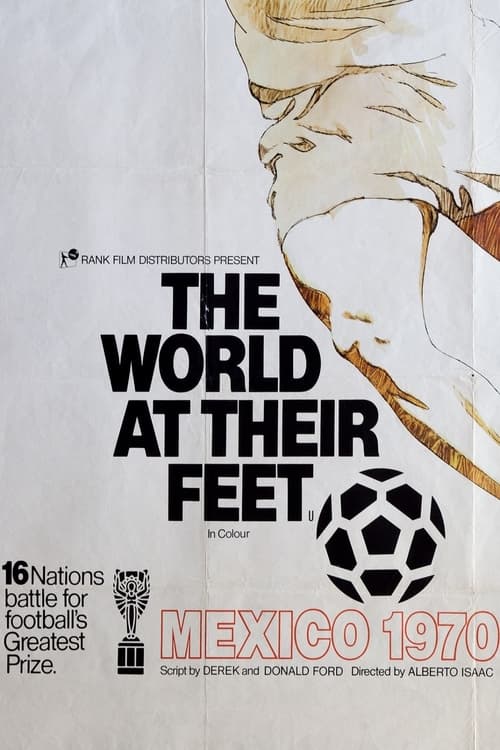
1970

1999
2002
2008

2017

2019
1999
1977
2014
No reviews yet. Be the first to share your thoughts on this movie!
Use the rating form above to leave a star rating and optional review.