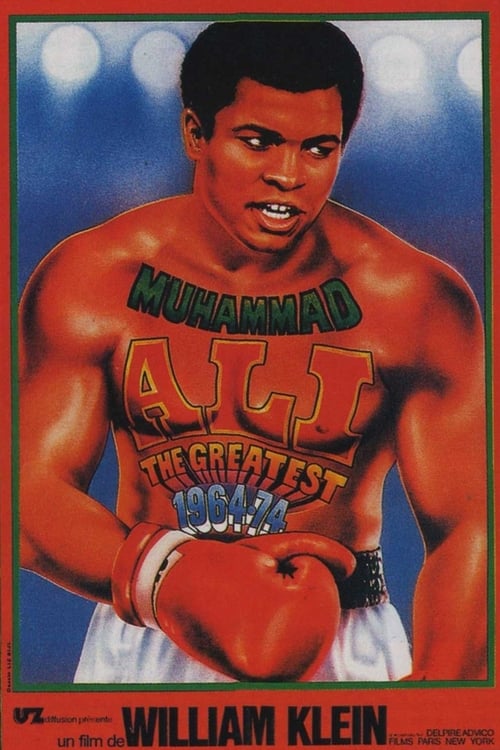
Muhammad Ali, the Greatest
1974
No user ratings available yet
Representation score: 4.0 out of 10
No Poster Available
Representation Score
Limited
2014
TV-GDirector
Jason Sklaver
Runtime
14 minutes
Average Rating
No ratings yetNew Showbiz Analysis
The documentary excels in challenging Western dominance by centering a non-Western protagonist. By focusing on Teófilo Stevenson’s rejection of American capital, the film provides a nuanced look at racial and ethnic ability to act through a post-colonial lens. However, the film's narrow focus on a hyper-masculine boxing environment excludes female perspectives and offers no representation for LGBTQ+ identities or individuals with disabilities. Ultimately, the film's strength lies in its ideological depth rather than its demographic breadth, trading traditional social diversity for a sophisticated critique of global power structures and individualistic capitalism.
Category Breakdown
The documentary focuses solely on athletic competition and geopolitical history without including any LGBTQ+ characters or narratives related to non-straight identities.
The film centers around a hyper-masculine boxing environment where only male athletes are highlighted, resulting in a lack of female presence.
The narrative breaks Western-centric sports clichés by focusing on a Cuban athlete. It emphasizes non-Anglo-Saxon identities and the ability to act of the Global South.
The story critiques Western capitalist structures through Stevenson's communal loyalty. It frames the conflict as a clash between American commercialism and Cuban state values.
There is no focus on visible or invisible disabilities within the film's historical context.
Present on Screen
Limited or Absent
Official Synopsis
After winning his second Olympic gold medal at the 1976 Montreal games, Cuban boxer Teófilo Stevenson was at his peak. American promoters offered him $5 million to turn pro and challenge world heavyweight champion Muhammad Ali. Stevenson refused the offer, asking "What is one million dollars compared to the love of eight million Cubans?"
1974

2016
2008
2008
2019
2023
2013
2001
No reviews yet. Be the first to share your thoughts on this movie!
Use the rating form above to leave a star rating and optional review.