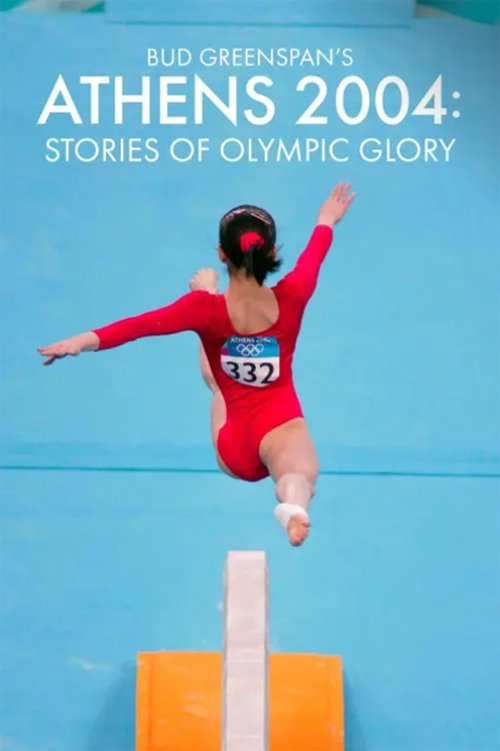
Bud Greenspan’s Athens 2004: Stories of Olympic Glory
2005
No user ratings available yet
Diversity score: 4.1 out of 10

1977
Director
Jean Beaudin, Marcel Carrière, Georges Dufaux, Jean-Claude Labrecque
Runtime
118 minutes
Average Rating
No ratings yetSynopsis
Edited from almost 100 km of film footage shot during the Games, this feature documentary is a breathtaking portrait of the 1976 Montreal Olympics. Much more than a simple record of the Games, the film approaches each event with the intention of revealing the athlete - whether winner or loser - as a unique individual.
Overall Score
Fair
Category Breakdown
LGBTQ+ Representation
The documentary lacks explicit narratives regarding queer identities. The film focuses on athletic archetypes common to the 1976 era, offering little visible representation of non-cisnormative identities.
Gender Representation
While the film attempts to humanize athletes beyond their wins or losses, it likely operates within the traditional gender hierarchies of the late 1970s. Female competitors may face conventional framing.
Racial & Ethnic Diversity
The film captures a global spectrum of participants from the Montreal Games. However, the lens may lean toward Western-centric broadcasting standards rather than deep intersectional storytelling.
Religious & Cultural Diversity
The documentary celebrates internationalism through a humanist lens. It maintains a traditional view of global cooperation without prioritizing the deconstruction of Western institutions or secularist critiques.
Disability Representation
The footage focuses on able-bodied elite athleticism. There is no evidence that neurodivergence or physical disabilities are addressed as central themes or given agency within this specific work.
Strengths
Areas for Improvement
AI Analysis
This documentary serves as a humanistic portrait of the 1976 Montreal Olympics, prioritizing the individual experience of the athlete. It succeeds in capturing the global scale of the event through its vast collection of footage. However, the film is a product of its time. The narrative architecture is constrained by 1970s social norms, which limits the depth of intersectional representation and systemic critique. Ultimately, while it provides a window into a diverse array of international competitors, it lacks intentional focus on marginalized identities or disability-centric narratives.
2005

1999

2004

1948
1932
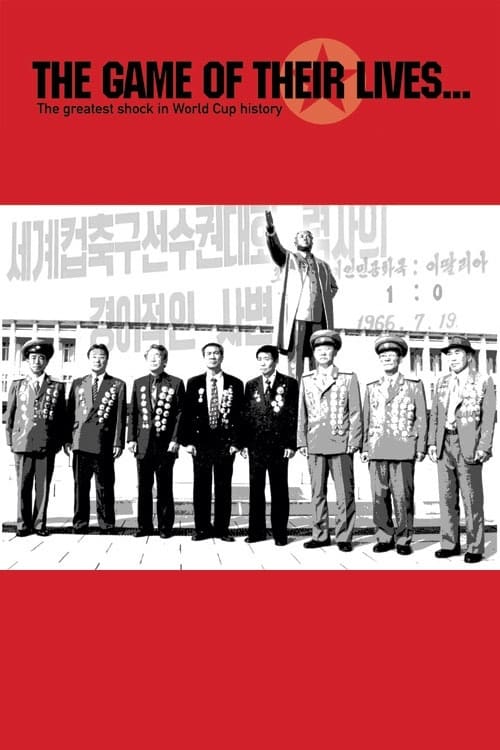
2002
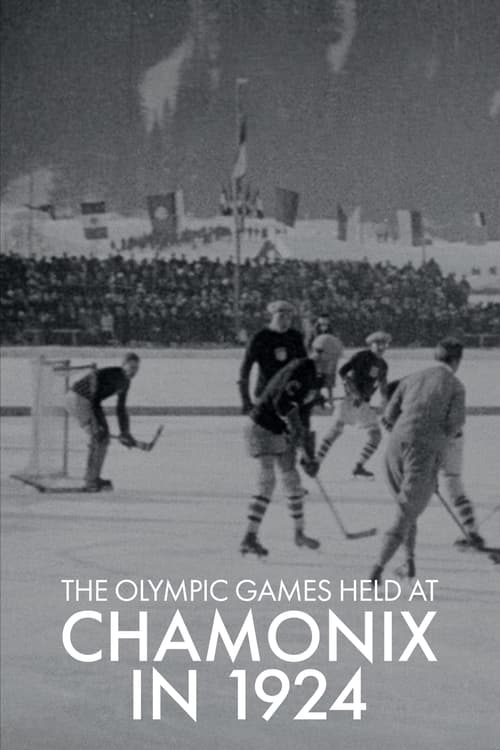
1924

1965

1925
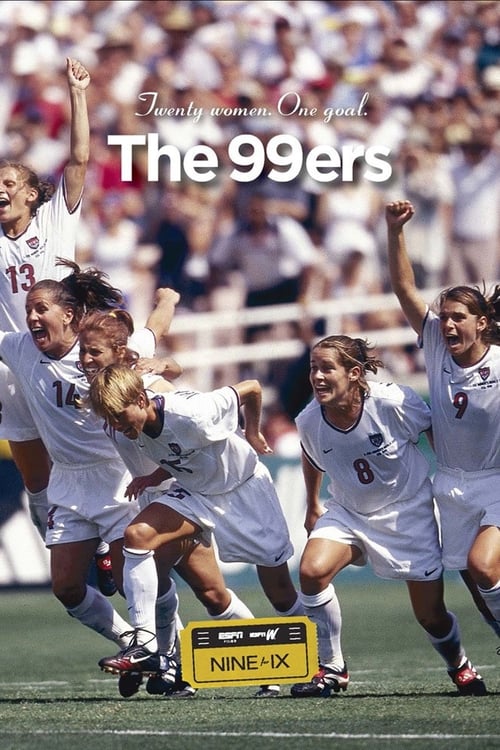
2013
1989
2015
No reviews yet. Be the first to share your thoughts on this movie!
Use the rating form above to leave a star rating and optional review.