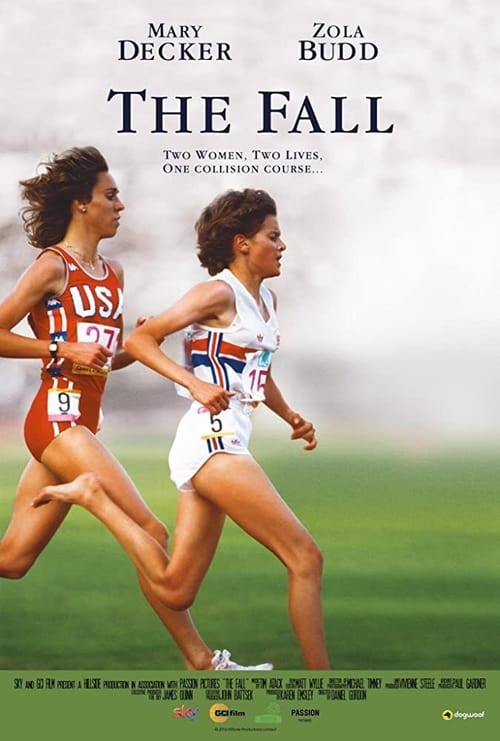
The Fall
2016
No user ratings available yet
Representation score: 6.6 out of 10

Representation Score
Limited
2008
Director
Daniel Gordon
Runtime
90 minutes
Average Rating
No ratings yetNew Showbiz Analysis
The film offers a powerful historical perspective by shifting focus from the Western victor to the complex realities faced by an African athlete. It challenges the 'Western Hero' stereotype by centering a Black African protagonist in a traditionally Anglo-Saxon-dominated space. However, the film remains confined to male-dominated historical contexts and does not engage with contemporary issues related to gender or sexual orientation.
Category Breakdown
The documentary focuses on the athletic career and political circumstances of John Akii Bua. There is no mention of LGBTQ+ characters or narratives involving non-cisgender identities.
The story centers on male athletic achievements and masculine environments such as Olympic competition and military rule. It lacks strong roles for women and challenges to patriarchal structures.
The film breaks away from Western-centric sports stories by highlighting a Black African athlete. It challenges traditional dominance by showing Akii Bua's victory over the English favorite.
The film addresses post-colonial themes by contrasting Olympic success with the breakdown of Uganda after independence. It depicts the instability of African states under autocratic rulers.
There is no mention of physical or cognitive disabilities in the synopsis.
Present on Screen
Limited or Absent
Official Synopsis
At the Munich Olympics of 1972, John Akii Bua, from the impoverished African country of Uganda, powered round the inside lane in the 400m hurdles, past the English favourite, and reigning Olympic Champion David Hemery, to win the gold medal, 10m clear of the field. John Akii Bua had become the first African to win gold in an event under 800 metres. He was also the first man to break the 48 seconds barrier in the 400 metre hurdles, an event so gruelling its nickname is 'The Mankiller'. This is the story about that amazing triumph - and what happened next. David Hemery retired to respectable fame and fortune, later becoming president of the UK's athletics federation. John Akii Bua returned to a Uganda carving the name of its military "President", Idi Amin, into genocidal notoriety. This is a film about the pinnacle of athletic achievement - and the search to discover what followed.
2016
2016
1995
1938

2010
2005

2012

2016
No reviews yet. Be the first to share your thoughts on this movie!
Use the rating form above to leave a star rating and optional review.