
The Grand Olympics
1961
No user ratings available yet
Representation score: 3.1 out of 10
Representation Score
Fair
1965
Not RatedDirector
Kon Ichikawa
Runtime
170 minutes
Average Rating
No ratings yetNew Showbiz Analysis
Kon Ichikawa’s documentary is a thoughtful look at human physicality that challenges traditional sports conventions. By giving equal visual importance to workers and spectators as well as athletes, the film captures the complexity of the 1964 Olympics. The film’s standout feature is its broad racial and ethnic representation, providing a global perspective that goes beyond the Western-centric media of its time. However, the film is limited by its historical context. It lacks representation of LGBTQ+ identities and disabilities, and it maintains traditional gender roles and divisions of labor from the mid-20th century.
Category Breakdown
The film follows the social norms of 1964 and does not show any non-straight relationships or queer stories.
Female athletes are portrayed with professionalism and respect. However, the film does not challenge traditional gender roles or the patriarchal structures of the time.
The documentary highlights athletes from Ethiopia and Chad, avoiding a Western-centric view and showcasing a global community of achievement.
The film presents a secular, cooperative view of achievement, celebrating international cooperation and modernization without promoting a single moral stance.
The film focuses almost entirely on able-bodied athletes and does not include much representation of disabilities or neurodiversity.
Present on Screen
Limited or Absent
Official Synopsis
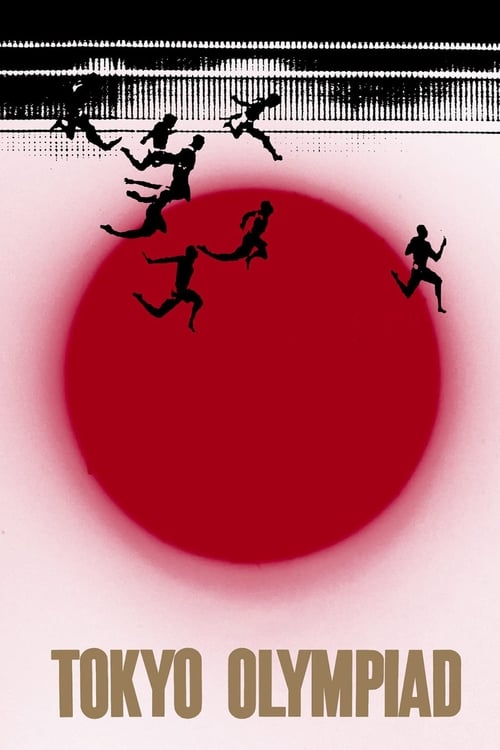
This impressionistic portrait of the 1964 Tokyo Summer Olympics pays as much attention to the crowds and workers as it does to the actual competitive events. Highlights include an epic pole-vaulting match between West Germany and America, and the final marathon race through Tokyo's streets. Two athletes are highlighted: Ethiopian marathon runner Abebe Bikila, who receives his second gold medal, and runner Ahamed Isa from Chad, representing a country younger than he is.
1961
1938

1977

1935
1959
2016
1993

2005
No reviews yet. Be the first to share your thoughts on this movie!
Use the rating form above to leave a star rating and optional review.