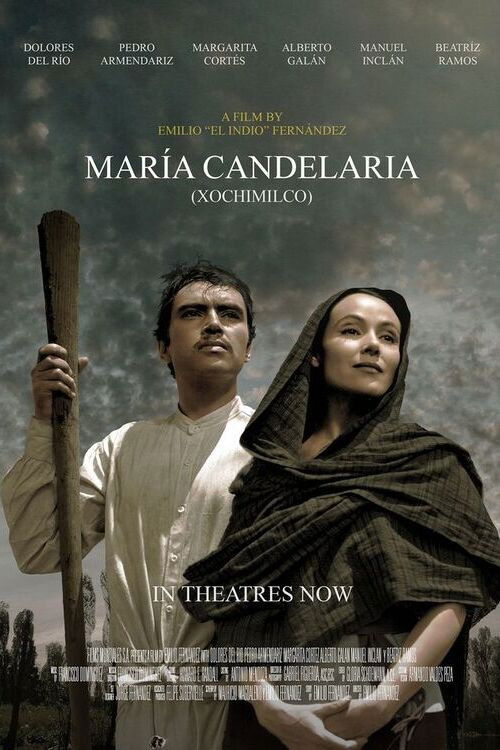
Maria Candelaria
1944
No user ratings available yet
Representation score: 2.7 out of 10
Representation Score
Good
1994
Director
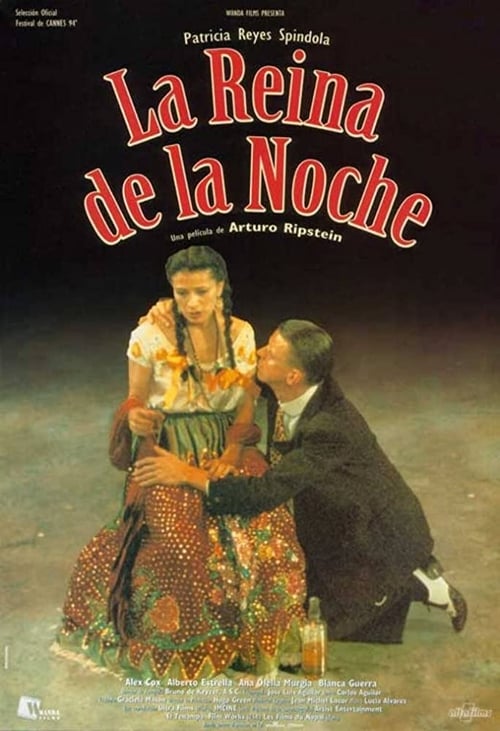
Arturo Ripstein
Runtime
117 minutes
Average Rating
No ratings yetNew Showbiz Analysis
The film is a sophisticated deconstruction of the biographical drama, moving away from historical hagiography toward a postmodern exploration of obsession. It rejects Western domestic ideals in favor of a world defined by sexual liberation and social decay. The film’s primary strength lies in its cultural authenticity and the subversion of traditional femininity. By centering a woman whose influence is defined by her own desires, the film disrupts conventional expectations of motherhood and domesticity. However, the film lacks explicit LGBTQ+ representation, relying instead on subtextual themes of sexual autonomy.
Category Breakdown
The film features a protagonist who defies traditional domestic roles through her sexual autonomy. While there are no explicit LGBTQ+ storylines, the film challenges the assumption that everyone is straight or cisgender by emphasizing the main character’s independence.
Ripstein portrays the domestic environment as a place of psychological decay, highlighting the main character's strong influence driven by her own desires rather than patriarchal structures. This portrayal subverts traditional gender hierarchies.
The film offers a rich exploration of Mexican identity through its cast and setting, avoiding sanitized representations and focusing on the culturally rich tradition of the cancion ranchera.
The narrative critiques the sanctity of the nuclear family and bourgeois institutions, prioritizing psychological truth over religious or social conformity.
There are no prominent depictions of visible or invisible disabilities that serve as central narrative drivers in this work.
Present on Screen
Limited or Absent
Official Synopsis
The legendary life of Mexican singer Lucha Reyes is the basis of this fictionalized biography ( or as director Arturo Ripstein puts it "an imaginary biography"). Lucha Reyes was an unconventional, and sexually liberated woman, most famous for her "cancion ranchera" style singing. Her story begins in 1939, where at 33 she still lived at home with her mother, Dona Victora, the madame of a renowned Mexico City whorehouse. Lucha marries the liberal Pedro Calderon and then buys a beggar's daughter. She becomes the mother to this child, Luzma. Lucha craves lasting love like junkies crave heroin. But for her loyal daughter, she never finds it and in the end no one can help her.
1944
1996
2001
1955
1945
2008
1990

1972
No reviews yet. Be the first to share your thoughts on this movie!
Use the rating form above to leave a star rating and optional review.