Love
1927
No user ratings available yet
Representation score: 1.7 out of 10
Representation Score
Minimal
1934
ApprovedDirector
Philip Moeller
Runtime
81 minutes
Average Rating
No ratings yetNew Showbiz Analysis
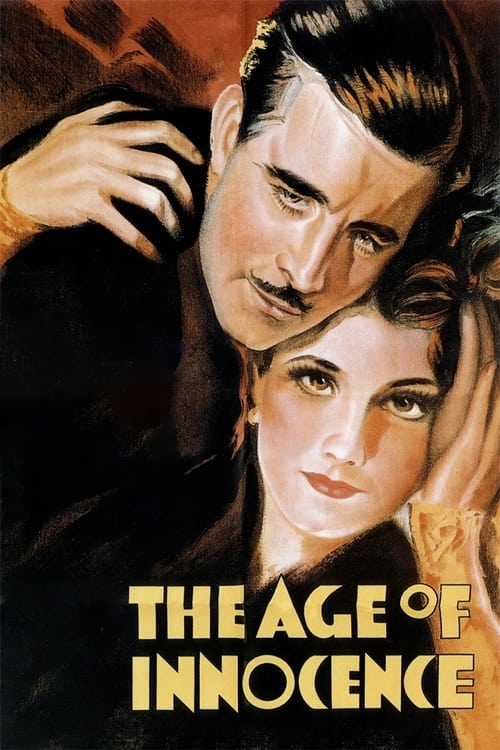
The film adheres to 1930s cinematic conventions, emphasizing established social hierarchies and traditional romantic structures. Its narrative strictly follows the era's moral codes, offering little disruption to historical or gendered status quos. While the inclusion of a divorcee character provides a slight deviation from rigid 1870s social norms, the film remains deeply embedded in a homogeneous, Western-centric worldview. The focus on class and propriety limits the scope of its social commentary.
Category Breakdown
The film focuses on a typical romantic conflict between an attorney and a divorcee. There is no indication of characters with non-traditional gender identities or challenges to the assumption that everyone is straight.
The narrative centers on a romantic triangle that reinforces traditional gender roles. Although the divorcee character operates somewhat outside rigid social expectations, there is no clear evidence of women taking a leading role in the story.
Set in 1870s Manhattan, the film reflects the homogeneous social structures of the time. The production emphasizes a traditional Western demographic without evidence of diverse casting.
The story operates within traditional Western social institutions. It prioritizes social propriety and the preservation of established class structures over any critique of religion or family traditions.
There is no discernible evidence regarding the portrayal of physical or neurodivergent identities in this production.
Present on Screen
Limited or Absent
Official Synopsis
An engaged attorney and a divorcee fall for each other in 1870s Manhattan.
1927
1935
1930
1952

1929
1932
1949
1939
No reviews yet. Be the first to share your thoughts on this movie!
Use the rating form above to leave a star rating and optional review.