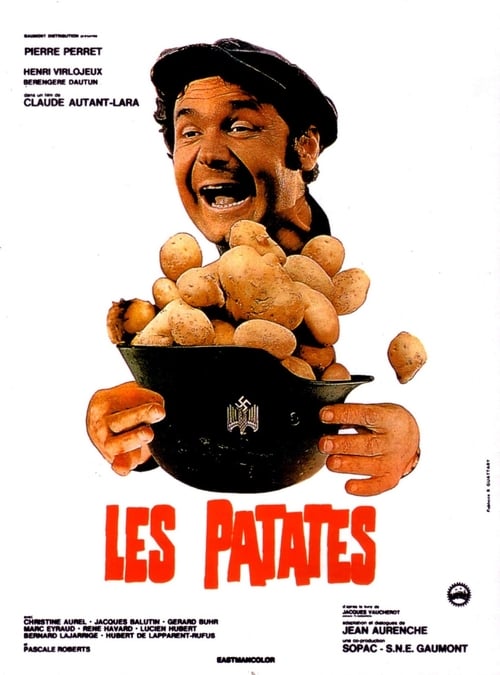
Les Patates
1969
No user ratings available yet
Diversity score: 4.3 out of 10
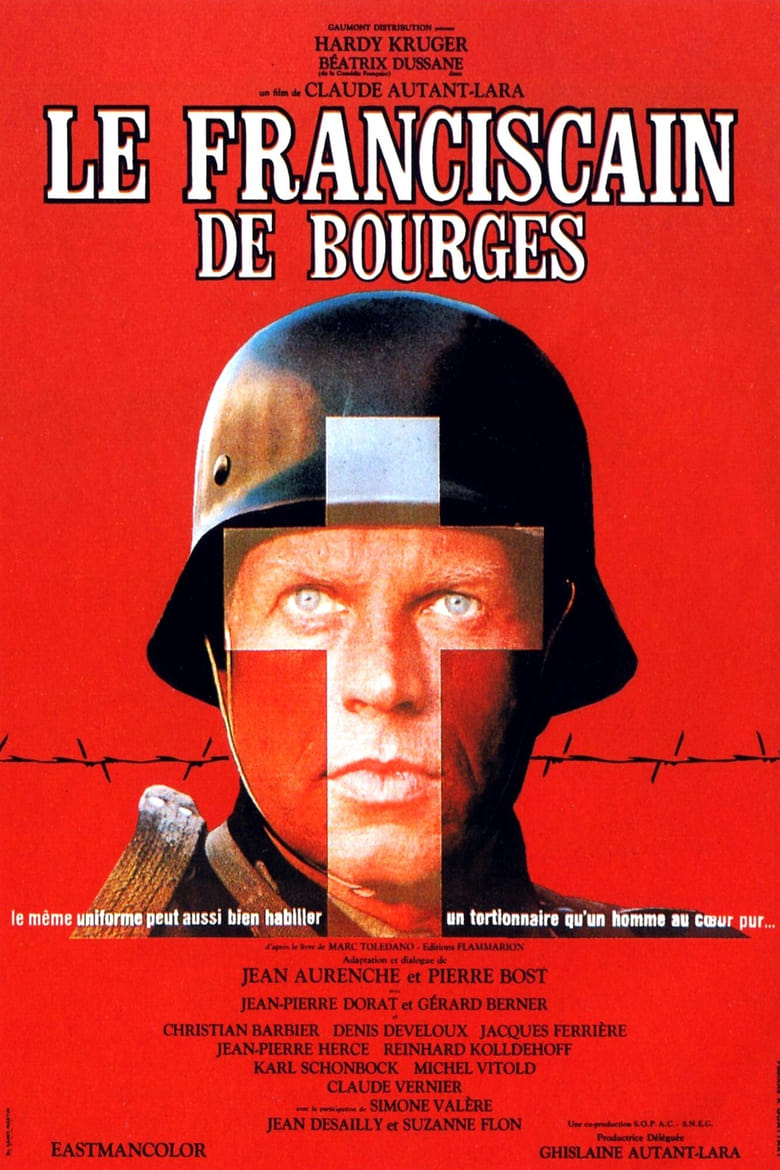
1968
Director
Claude Autant-Lara
Runtime
108 minutes
Average Rating
No ratings yetSynopsis
Albert is a Franciscan monk and a medical orderly at a monastery in France. Although he is German, the kindly monk helps hide French resistance members. Albert tries to maintain the delicate balance between the warring factions by helping out the afflicted and not getting involved in political ideology.
Overall Score
Fair
Category Breakdown
LGBTQ+ Representation
The film offers no evidence of LGBTQ+ characters or narratives. It appears to adhere to the conventional social structures regarding sexuality typical of its 1968 production context.
Gender Representation
The story centers on a male protagonist, suggesting a traditional gender hierarchy. Male agency drives the political and humanitarian plot within the historical context of the French Resistance.
Racial & Ethnic Diversity
Ethnic complexity is introduced through Albert, a German operating in France. This provides a layer of nuance, though it primarily serves to explore wartime tensions.
Religious & Cultural Diversity
The narrative challenges religious and nationalist morality by centering on a monk who prioritizes humanitarianism over ideology. This suggests a critique of traditional institutional authority.
Disability Representation
There is no specific depiction of physical or neurodivergent disabilities. However, the mention of the afflicted suggests medical vulnerability is a central thematic element.
Strengths
Areas for Improvement
AI Analysis
Claude Autant-Lara’s film functions as a character study of humanitarianism amidst systemic conflict. It avoids the rigid nationalist tropes often found in wartime dramas by focusing on a morally complex protagonist who operates outside of strict political or religious allegiances. The film’s strength lies in its subtle critique of institutional rigidity. By presenting a monk who undermines political mandates to assist the suffering, the story prioritizes individual conscience over state or church mandates. However, the film lacks modern intersectional markers. The representation remains largely traditional, focusing on a male-driven narrative and lacking diverse identities beyond the protagonist's nationality.
1969
1959
1956

2002

2025
1971
1961
1966

1962
1968
2001

1989
No reviews yet. Be the first to share your thoughts on this movie!
Use the rating form above to leave a star rating and optional review.