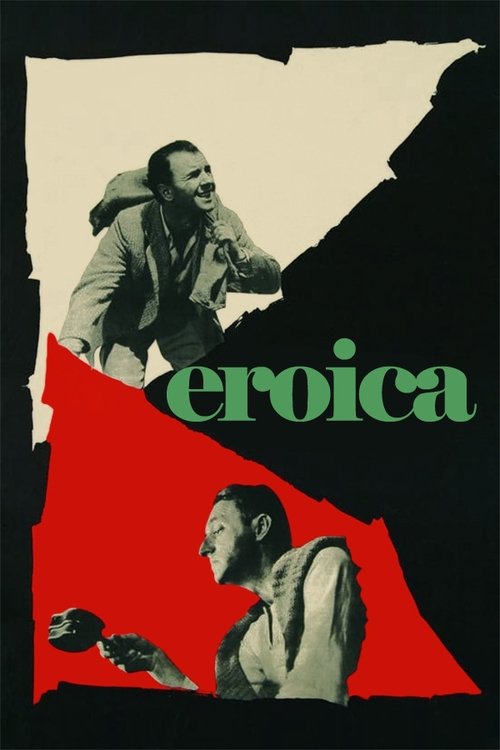
Eroica
1958
No user ratings available yet
Representation score: 1.9 out of 10

Representation Score
Fair
1962
TV-PGDirector
Jean Renoir
Runtime
105 minutes
Average Rating
No ratings yetNew Showbiz Analysis
Jean Renoir’s film serves as a humanist study of social stratification during a period of systemic collapse. It avoids the traditional heroic soldier cliché, opting instead for a multi-class collective experience. The film’s strength lies in its disruption of class hierarchies rather than modern identity markers. It uses the chaos of the 1940 invasion to critique institutional authority and rigid social structures. While the film lacks racial or LGBTQ+ representation, it offers a sophisticated look at how different social classes interact under the pressure of war.
Category Breakdown
The film does not include any explicit LGBTQ+ characters or non-straight relationships. The focus is on wartime survival and class dynamics rather than sexual orientation.
A German dental assistant provides a female presence within the wartime setting. However, the main character arc centers around the upper-class corporal.
The cast includes a mix of socio-economic backgrounds such as farmers and intellectuals, but there is no racial or ethnic diversity. The focus remains on class-based distinctions within 1940s France.
The film critiques the effectiveness of state institutions and wartime patriotism. It emphasizes a collective human experience over nationalistic or religious morality.
There is no mention of characters with visible or invisible disabilities within the narrative.
Present on Screen
Limited or Absent
Official Synopsis
An upper-class corporal is captured by the Germans during their 1940 invasion of France. Assisted and accompanied by characters as diverse as a morose dairy farmer, a waiter, a myopic intellectual, a working-class Parisian, and a German dental assistant, the corporal tries to escape from prison camps, sometimes making it a few yards, sometimes reaching the border.
1958

1937
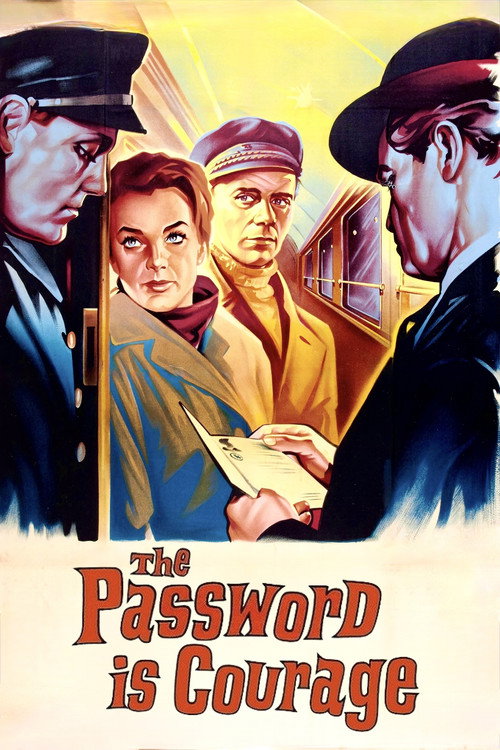
1962

1975
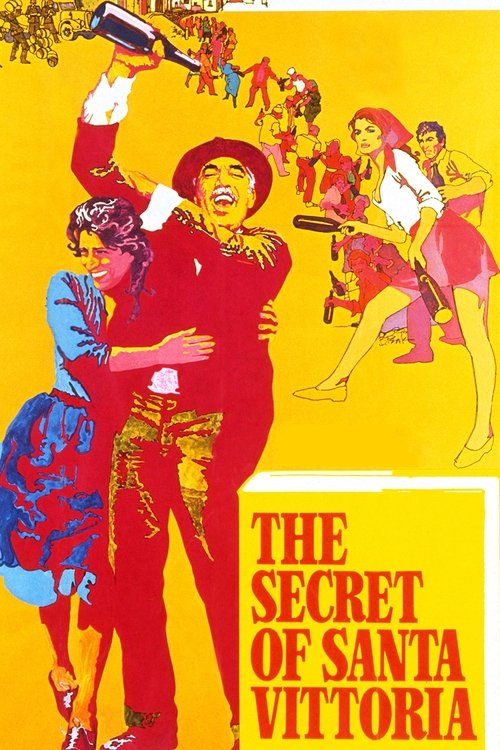
1970
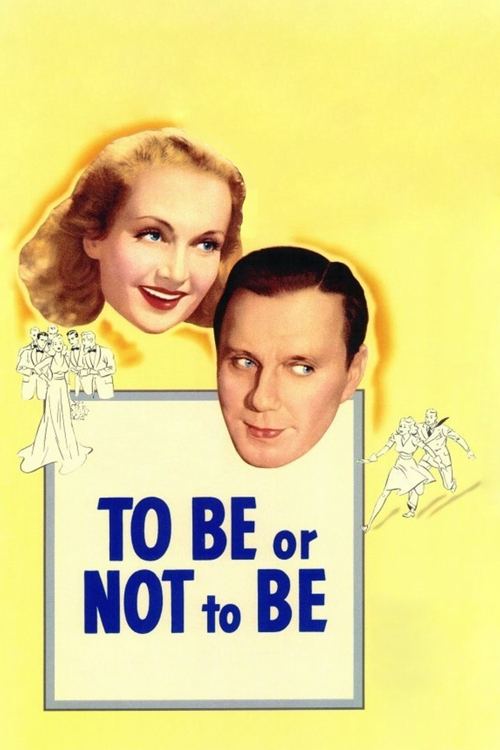
1942
1969
1949
No reviews yet. Be the first to share your thoughts on this movie!
Use the rating form above to leave a star rating and optional review.