Train of Life
1998
No user ratings available yet
Representation score: 5.2 out of 10
Representation Score
Fair
2001
RDirector
Yurek Bogayevicz
Runtime
95 minutes
Average Rating
No ratings yetNew Showbiz Analysis
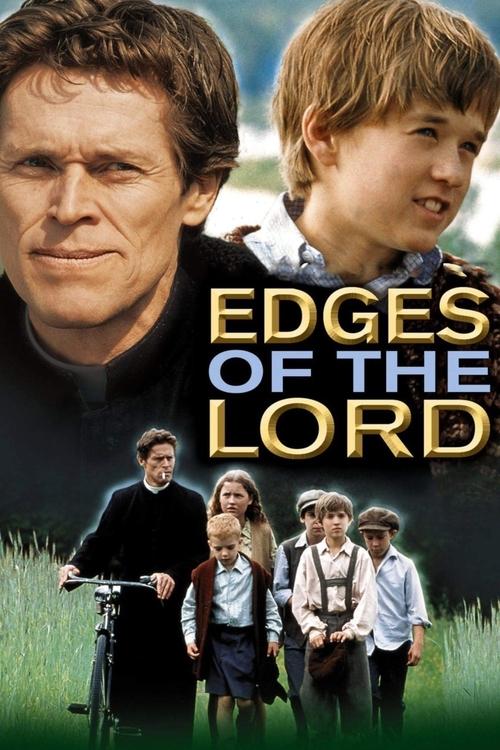
Edges of the Lord is a nuanced historical drama that explores the intersection of religious and ethnic identities. By focusing on a Jewish boy navigating a Catholic community to survive Nazi occupation, the film offers a sophisticated commentary on the fluidity of cultural performance. While the film adheres to traditional gender roles and lacks LGBTQ+ representation, it avoids derogatory clichés. It uses the tension between different religious frameworks to critique systemic oppression and the precariousness of ethnic belonging.
Category Breakdown
The film does not include explicit LGBTQ+ characters or non-straight relationships. It focuses on the survival of religious and ethnic groups during wartime.
Male characters such as the priest and the boy have significant roles in driving the story. Women are shown in supportive or domestic roles, reflecting the period's social structure.
The story explores the intersection of Jewish and Catholic identities. The protagonist's need to pass as a Catholic peasant provides a nuanced look at ethnic survival.
The film presents a complex view of morality where religious practices serve humanitarian ends. It highlights the solidarity of the oppressed against a corrupt regime.
There is no significant portrayal of physical or neurodivergent disabilities in the narrative.
Present on Screen
Limited or Absent
Official Synopsis
A 12-year-old Jewish boy hides with a family of Catholic peasant farmers to escape the Nazis.
1998

2014
1995
1997

1986

2024
1993
1959
No reviews yet. Be the first to share your thoughts on this movie!
Use the rating form above to leave a star rating and optional review.