
Kings Row
1942
No user ratings available yet
Representation score: 5.3 out of 10
Representation Score
Limited
1945
Director
Julio Bracho
Runtime
108 minutes
Average Rating
No ratings yetNew Showbiz Analysis
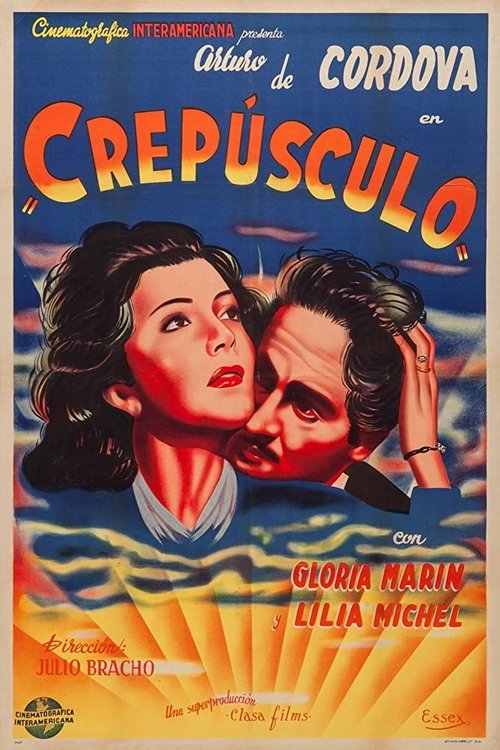
Julio Bracho’s film is a classic mid-century Mexican melodrama that emphasizes emotional depth over social critique. The narrative sticks to well-established dramatic conventions, focusing on a traditional love triangle within the context of 1940s Mexican society. While the film is a significant cultural artifact of the Golden Age of Mexican cinema, it does not aim to disrupt systemic norms. Instead, it operates within a conventional moral landscape centered around romantic longing and domestic stability. Ultimately, the work reflects the standard demographic and social structures of 1940s Mexico without pushing for more inclusive representation.
Category Breakdown
The film focuses on a traditional love triangle involving a man, a woman, and another man. It doesn't include any non-traditional gender identities or sexual orientations.
Lucía is the emotional core of the story, but her role is limited by traditional gender roles and melodramatic themes of fate and marriage. The narrative emphasizes male emotions and domestic issues.
The cast is mainly Mexican, providing a culturally specific perspective. However, it doesn't actively disrupt ethnic hierarchies or promote diverse representation.
The story delves into personal passion and societal stability within a traditional moral framework. It highlights the sanctity of marriage without challenging religious or social norms.
There are no disabilities that play a central role in the characters' stories or the plot development.
Present on Screen
Limited or Absent
Official Synopsis
Doctor Alejandro Mangino falls in love with Lucía just before he goes on a round-the-world trip. Pining for her all the while, he returns to find that she’s married his best friend.
1942

1953
1952

1948

1956
1948

1951

1961
No reviews yet. Be the first to share your thoughts on this movie!
Use the rating form above to leave a star rating and optional review.