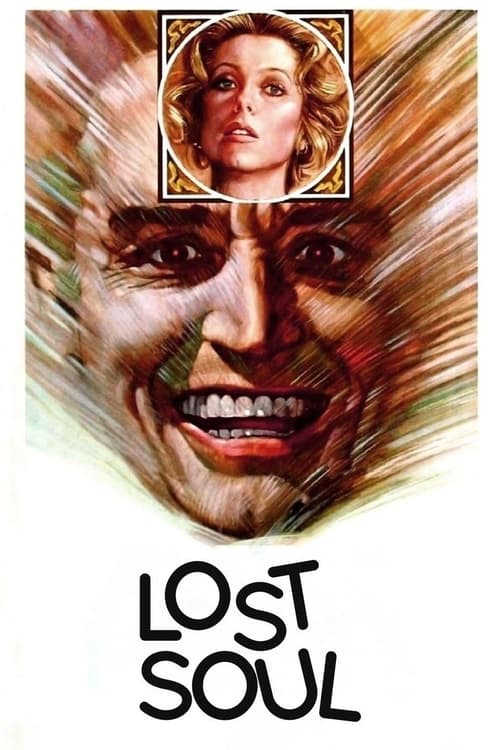
Love Massacre
1981
No user ratings available yet
Diversity score: 2.7 out of 10
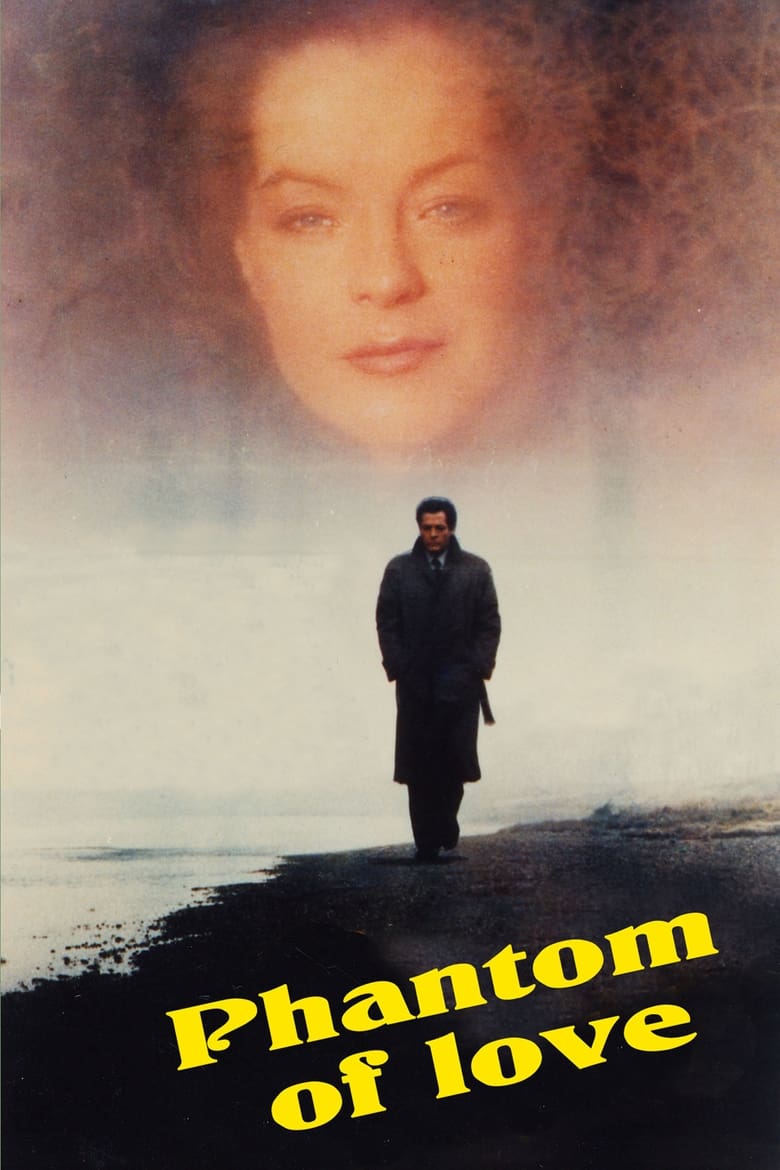
1981
Director
Dino Risi
Runtime
93 minutes
Average Rating
No ratings yetSynopsis
Over two decades after their affair ended, a married man is haunted by the presence of his former lover.
Overall Score
Limited
Category Breakdown
LGBTQ+ Representation
The narrative centers on a heteronormative romantic entanglement between a married man and a former lover. There is no evidence of non-cisnormative identities or critiques of heteronormativity.
Gender Representation
The plot is driven by a male psychological experience regarding a past affair. The female lead acts as a catalyst, but her agency in disrupting gender hierarchies is unconfirmed.
Racial & Ethnic Diversity
Reflecting the demographic homogeneity of 1981 Italy, the film lacks indications of diverse casting. It appears to adhere to the localized social realities of its era.
Religious & Cultural Diversity
Themes focus on individual morality and the psychological weight of history. The story likely centers on the preservation or dissolution of traditional family structures.
Disability Representation
The haunting elements may involve psychological distress or sensory anomalies. However, there is no evidence of neurodivergence being portrayed with agency rather than as a plot device.
Strengths
Areas for Improvement
AI Analysis
Ghost of Love is a character-driven study of memory and infidelity that adheres to the traditional cinematic conventions of early 1980s Italy. The film focuses on the psychological disruption of bourgeois stability through a standard romantic and mystery framework. The narrative lacks significant representation of diverse identities, instead prioritizing a heteronormative and demographically homogeneous perspective. It functions as a study of individual neuroses rather than a critique of systemic social hierarchies. While Dino Risi's direction often deconstructs social hypocrisies, this specific work appears to operate within established dramatic tropes of its time, offering little in the way of modern identity exploration.
No reviews yet. Be the first to share your thoughts on this movie!
Use the rating form above to leave a star rating and optional review.