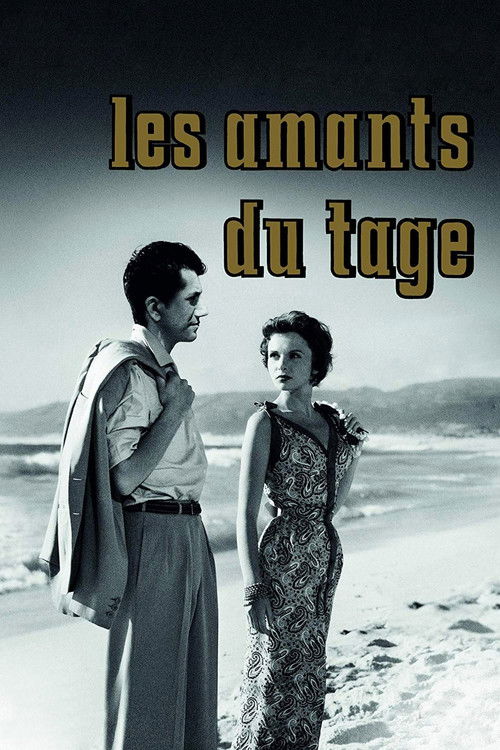
Lovers' Net
1955
No user ratings available yet
Diversity score: 2.4 out of 10

1952
Director
Henri Verneuil
Runtime
100 minutes
Average Rating
No ratings yetSynopsis
A doctor, leading an agreed life of the provincial petty bourgeoisie, falls in love with a young woman. As their relationship deepens, he becomes violently jealous and blames her for her dating and friendships.
Overall Score
Limited
Category Breakdown
LGBTQ+ Representation
The film focuses entirely on a heterosexual romance between a doctor and a young woman. There is no evidence of queer identities or narratives that challenge heteronormative structures.
Gender Representation
The plot centers on a male protagonist's violent jealousy and blame toward a woman. While it depicts toxic masculinity, it frames female autonomy as a source of domestic conflict.
Racial & Ethnic Diversity
Set within the 1952 French provincial petty bourgeoisie, the film appears to reflect the homogeneous social structures of its era. No multi-ethnic representation is indicated.
Religious & Cultural Diversity
The narrative adheres to mid-century Western social norms and conventional lifestyles. It lacks critiques of established institutions, focusing instead on the disruption of a stable, provincial life.
Disability Representation
The available information provides no mention of characters with visible or invisible disabilities.
Strengths
Areas for Improvement
AI Analysis
Forbidden Fruit is a mid-century psychological drama that operates within the traditional social hierarchies of 1952 France. The story prioritizes individual interpersonal conflict over any broader social or systemic exploration. The film's structure reinforces conventional moral frameworks. By centering the plot on a man's emotional volatility and his reaction to a woman's social agency, the narrative leans into traditional romantic tropes rather than subverting them. Ultimately, the work reflects the homogeneous and conservative social order of its time, offering a study of domestic friction without addressing diverse identities or intersectional perspectives.
1955
1974
1957
1958
1935
1950

1929
1943
1958
1953

1929
1949
No reviews yet. Be the first to share your thoughts on this movie!
Use the rating form above to leave a star rating and optional review.