Natpwe: The Feast of the Spirits
2013
No user ratings available yet
Representation score: 8.8 out of 10
Representation Score
Excellent
1993
Not RatedDirector
Maya Deren, Cherel Ito, Teiji Ito
Runtime
52 minutes
Average Rating
No ratings yetNew Showbiz Analysis
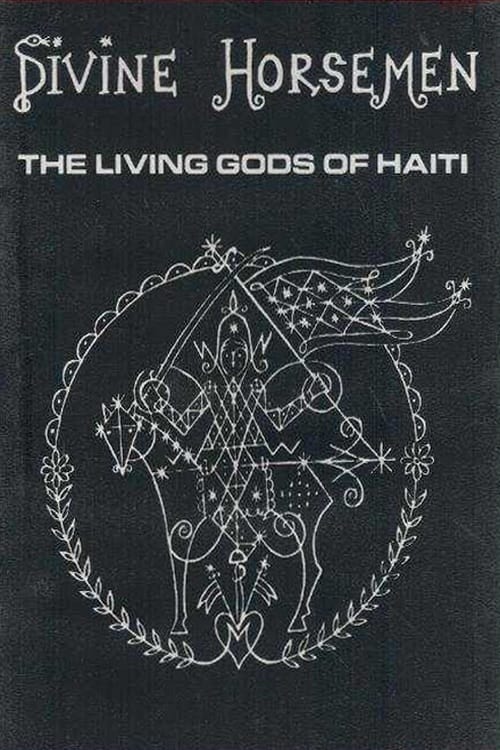
Divine Horsemen is a vital ethnographic study that disrupts the Western gaze by centering Haitian Vodou. It succeeds most prominently in its racial and cultural representation, treating Afro-Caribbean spiritual practices with sophistication and sovereignty rather than as an exotic 'other'. The film also provides a powerful platform for women's ability to drive the story, showcasing women as authoritative leaders in ritualistic momentum. This challenges conventional gendered power dynamics often found in Western media. While the film lacks explicit narrative focus on LGBTQ+ identities or specific disability themes, the inherent fluidity of ritual possession offers a subtle departure from rigid, neurotypical, or straight-centered standards.
Category Breakdown
The film focuses on the spiritual dimensions of Vodou rituals. Although there are no explicit depictions of same-sex intimacy, the idea of practitioners becoming vessels for the Loa suggests a fluidity that moves away from fixed identity structures.
Women are given significant visibility and authority within the religious hierarchy. The film highlights their intense, physically demanding roles during possession rituals, which subverts traditional Western hierarchies that often place women in passive positions.
This documentary excels by centering an Afro-Caribbean majority. It presents Haitian culture as a sophisticated system of belief, providing high levels of ability to act to practitioners of color operating within their own spiritual sovereignty.
The film promotes religious pluralism by prioritizing Vodou over Western-centric morality. It depicts a non-Western spiritual system that exists independently of colonial or capitalist structures, resisting the traditional 'civilizing' mission of filmmaking.
The intense physical states of possession involve non-normative bodily movements and altered consciousness. These states are portrayed with spiritual dignity rather than as pathologies, though they are framed through a religious lens.
Present on Screen
Limited or Absent
Official Synopsis
This intimate ethnographic study of Voudoun dances and rituals was shot by Maya Deren during her years in Haiti (1947-1951); she never edited the footage, so this “finished” version was made by Teiji Ito and Cherel Ito after Deren’s death.
2013
2011
1971
1996
1952
1972
2002
1988
No reviews yet. Be the first to share your thoughts on this movie!
Use the rating form above to leave a star rating and optional review.