
Deliver Me
2016
No user ratings available yet
Representation score: 5.7 out of 10
Representation Score
Excellent
2015
Director
David Stubbs
Runtime
89 minutes
Average Rating
No ratings yetNew Showbiz Analysis
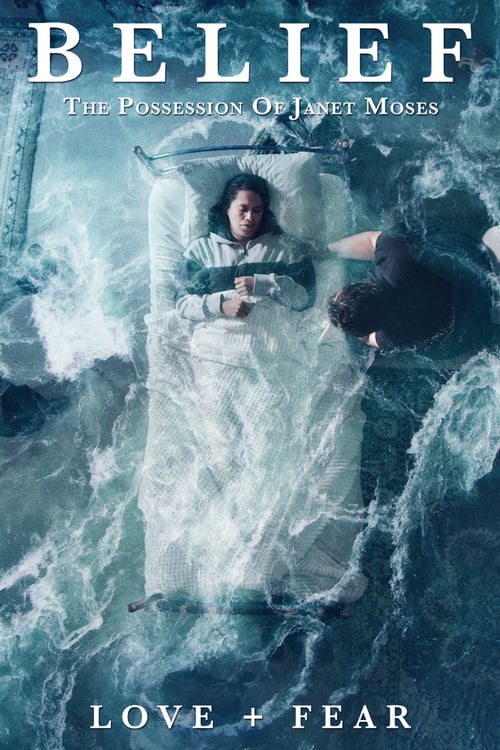
The documentary 'The Possession of Janet Moses' is a nuanced exploration of cultural dynamics. It avoids the typical sensationalism found in many true-crime documentaries by delving into the complex interplay between indigenous spiritual practices and Western institutional structures. By prioritizing Māori perspectives and the unique cultural context of Wainuiomata, the film reframes traditional practices as a rich socio-cultural reality rather than mere superstition. This approach challenges conventional Western documentary clichés. Though the film lacks LGBTQ+ representation, it steers clear of a 'civilizing' narrative. Instead, it investigates the tragic intersection of indigenous autonomy and state-imposed safety measures.
Category Breakdown
The film does not include any LGBTQ+ characters or themes.
The film focuses on the psychological and communal aspects of Janet Moses's experience without relying on simplified gender stereotypes.
The film highlights the perspectives and cultural frameworks of the Māori community, challenging Anglo-centric viewpoints by emphasizing indigenous traditions.
The film examines the tension between traditional spiritual beliefs and secular institutions, framing the story through the lens of cultural conflict.
The film addresses the concept of possession from a spiritual perspective rather than a medical one, avoiding a purely clinical interpretation.
Present on Screen
Limited or Absent
Official Synopsis
This impressive doco disperses the fog of shame and sensationalism to shed light on the tragedy that made international headlines in 2007 when a young Wainuiomata woman died during a mākutu lifting.
2016

2015

2020

2011

1978

1922

2017

1978
No reviews yet. Be the first to share your thoughts on this movie!
Use the rating form above to leave a star rating and optional review.