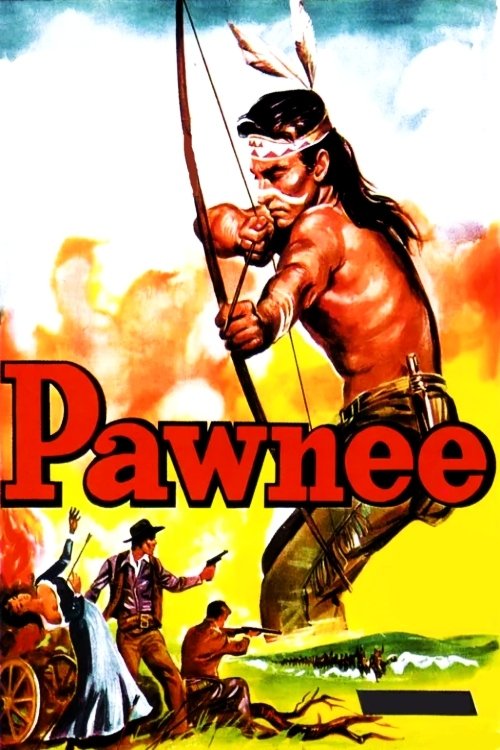
Pawnee
1957
No user ratings available yet
Representation score: 1.9 out of 10
Representation Score
Minimal
1965
ApprovedDirector
Norman Foster
Runtime
91 minutes
Average Rating
No ratings yetNew Showbiz Analysis
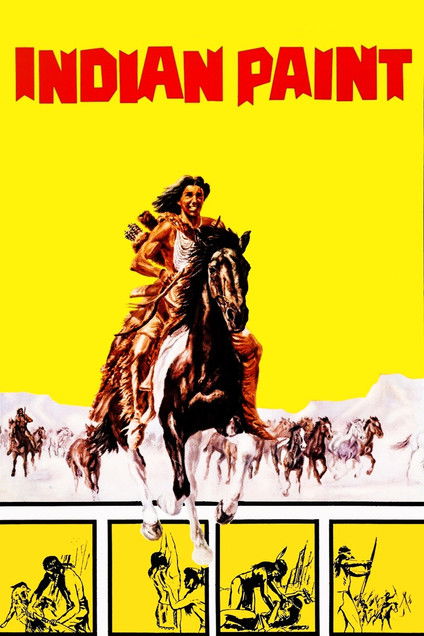
Indian Paint operates as a traditional coming-of-age Western set in a pre-colonial Indigenous context. While it offers a platform for a non-white protagonist, the narrative structure remains tied to 1960s genre conventions. The film leans on classic heroic journeys and individual merit. Although the setting is culturally specific, the storytelling follows conventional patterns of the time, emphasizing tribal conflict and survival against nature. Ultimately, the film lacks the layered representation or systemic critique found in modern cinema. It serves as a foundational example of mid-century genre filmmaking that upholds established gender hierarchies.
Category Breakdown
The film does not depict any LGBTQ+ identities or dynamics. It focuses solely on traditional tribal conflicts and rites of passage.
The story centers around the male protagonist's journey toward manhood. Women appear mainly as figures needing rescue or as catalysts for the hero's development.
The film features an Indigenous protagonist and a non-white community in a pre-colonial setting. However, it uses standard Western cinematic structures and heroic clichés.
The story portrays a specific Indigenous way of life through traditional roles and morality. It emphasizes individual merit and duty within a tribal context.
Physical injuries and medical crises, such as a coma, serve as plot obstacles. These elements test the hero's resolve rather than exploring disability with depth.
Present on Screen
Limited or Absent
Official Synopsis
Nishko is a chief's son in the Great Plains, before Europeans arrive. During his rite of passage, he's determined to tame a painted pony. He approaches manhood while his peaceful clan is set upon by a nearby tribe willing to break a treaty. He must also contend with the kidnapping of three young women from his village, his pony's illness behind enemy lines, his mother's coma after a rattlesnake bite, the medicine man's urging that he sacrifice what he loves best, the attack of a cougar and of wolves, and his own injury while alone in the woods. His kindness, bravery, and quick thinking serve him well, but rescue come from an unexpected source.
1957
1960
1917
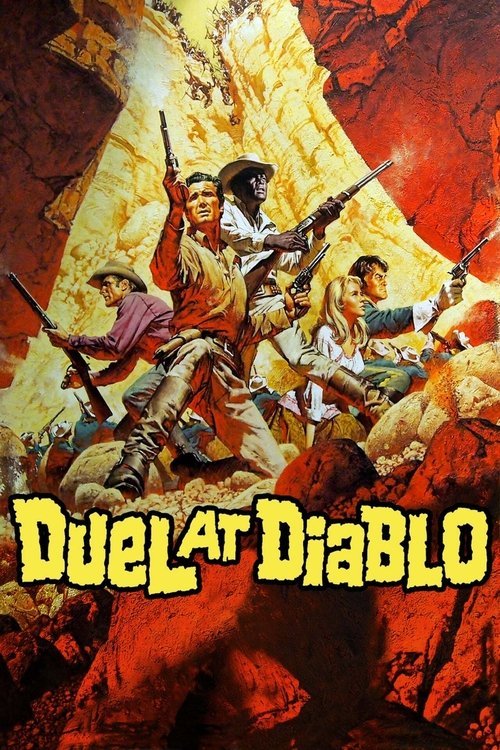
1966
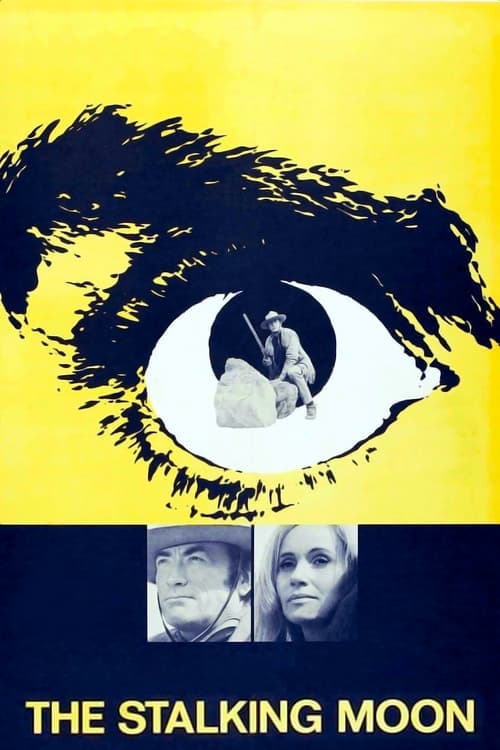
1968
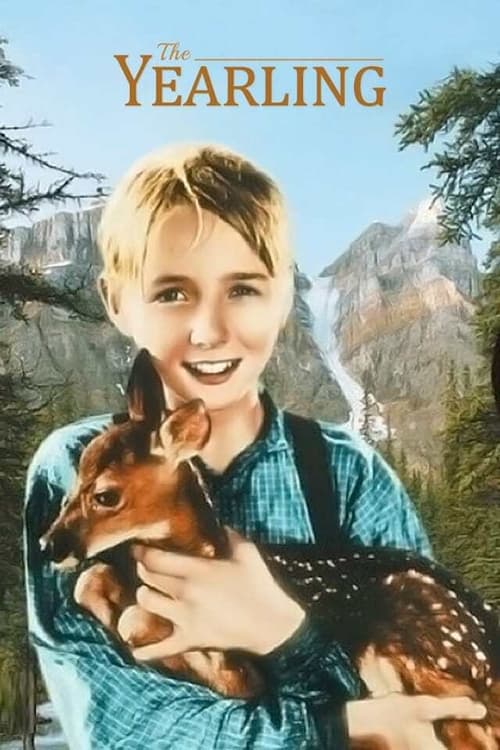
1946
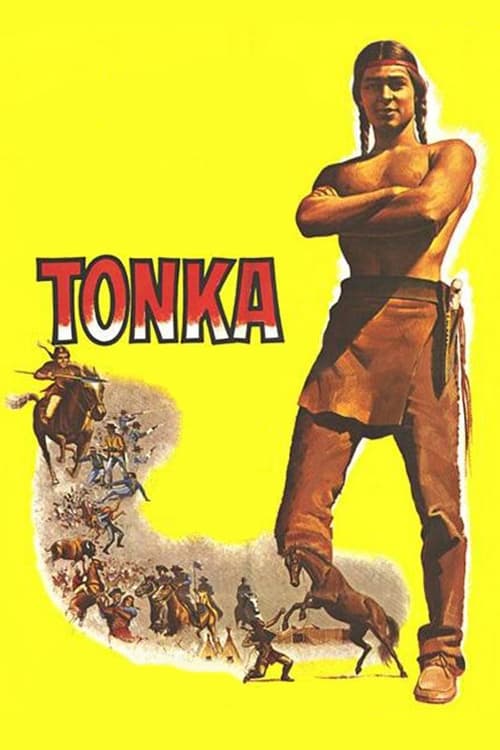
1958
1959
No reviews yet. Be the first to share your thoughts on this movie!
Use the rating form above to leave a star rating and optional review.