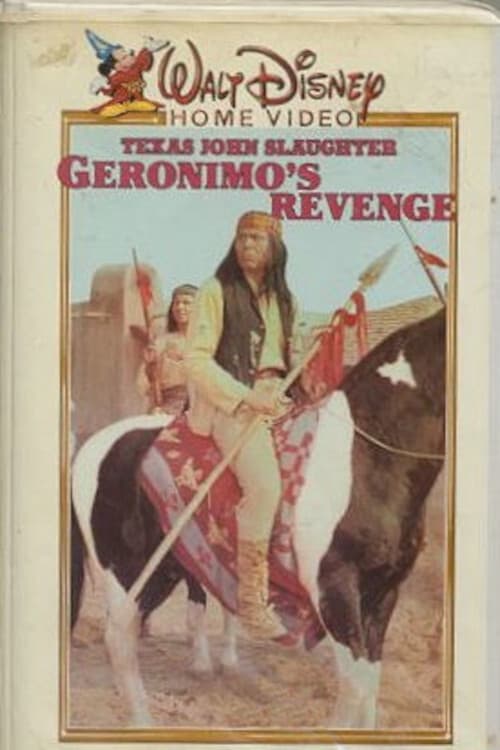
Texas John Slaughter: Geronimo's Revenge
1960
No user ratings available yet
Diversity score: 2.9 out of 10
1958
NRDirector
Lewis R. Foster
Runtime
98 minutes
Average Rating
No ratings yetSynopsis
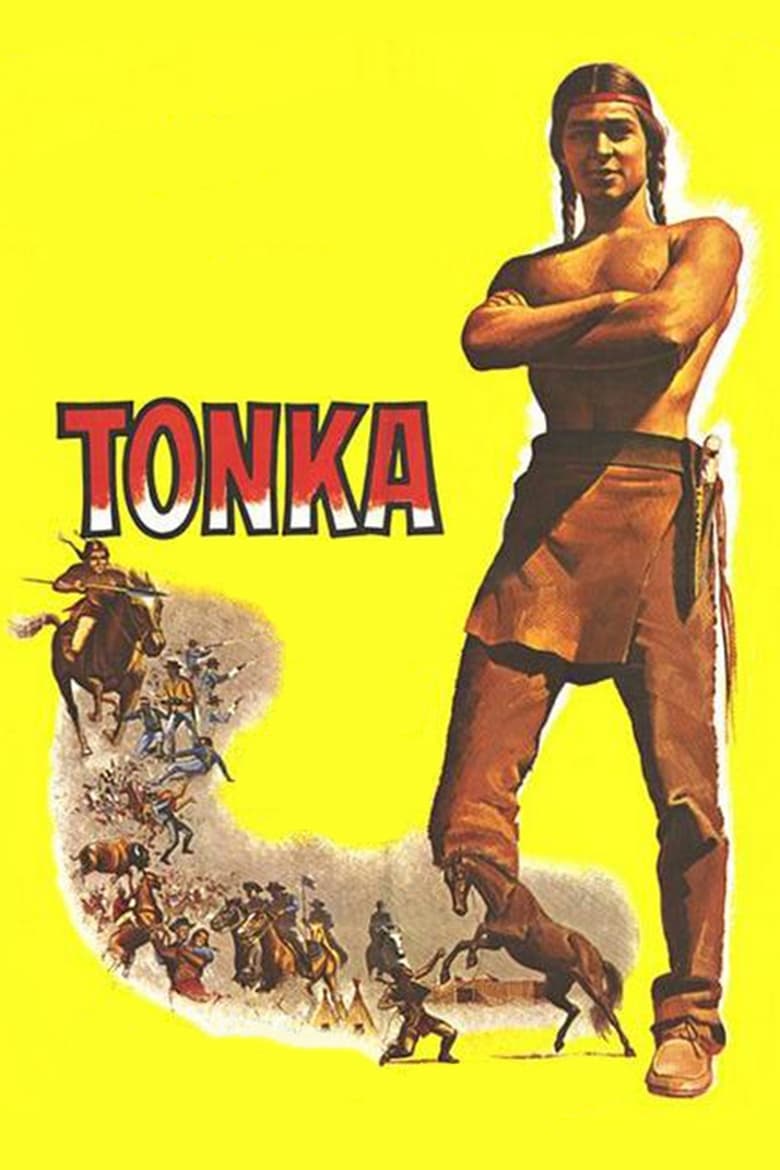
Young Indian brave White Bull captures and tames a wild stallion and names him Tonka. But when White Bull's cruel cousin claims Tonka for his own and mistreats the horse, White Bull sets him free. Tonka finally finds a home with Capt. Keogh and the 7th Calvary, and in 1876, rides into the Battle of Little Big Horn with General Armstrong Custer, becoming its only survivor.
Overall Score
Limited
Category Breakdown
LGBTQ+ Representation
The film contains no visible LGBTQ+ characters or narratives. The social framework remains strictly heteronormative, focusing on patriarchal lineage and traditional familial structures.
Gender Representation
The narrative is heavily centered on masculine archetypes, such as the bond between a boy and his horse. Female agency is largely absent, reinforcing traditional gender hierarchies.
Racial & Ethnic Diversity
The film features Apache characters and utilizes Native American actors like Chief Dan George. However, indigenous populations largely serve as a backdrop for Western expansion tropes.
Religious & Cultural Diversity
The story promotes traditional Western values, including patriotism and military service. It reinforces the stability of the settler-colonial framework without offering critiques of Western institutions.
Disability Representation
There is no discernible representation of physical, neurodivergent, or invisible disabilities within the primary character arcs.
Strengths
Areas for Improvement
AI Analysis
Tonka is a quintessential mid-century Western that prioritizes traditional storytelling over the disruption of social hierarchies. The narrative architecture reinforces established cultural norms, emphasizing patriarchal structures and the historical primacy of Western expansion. While the casting of Native American actors provides a baseline of ethnic visibility, the film does not engage in the subversion of colonial narratives. It functions within a framework that prioritizes conventional social order and traditional heroism. Ultimately, the film remains a product of its era, focusing on the bond between a young boy and a horse while adhering to the frontier conflict tropes prevalent in 1950s Hollywood.
No reviews yet. Be the first to share your thoughts on this movie!
Use the rating form above to leave a star rating and optional review.