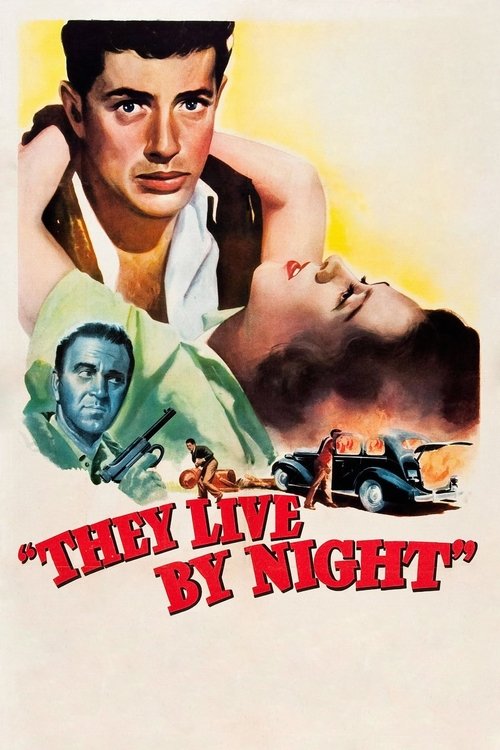
They Live by Night
1949
No user ratings available yet
Representation score: 3.6 out of 10

Representation Score
Minimal
1937
ApprovedDirector
Fritz Lang
Runtime
86 minutes
Average Rating
No ratings yetNew Showbiz Analysis
Fritz Lang’s crime drama is a fatalistic study of systemic failure rather than a study of demographic diversity. It focuses on the individual's struggle against an overwhelming and potentially destructive state apparatus. While the film lacks modern representation of LGBTQ+ identities, race, or disability, it finds depth in its critique of institutional authority. The narrative challenges the idea of the law as a purely just entity, presenting it instead as a force of victimization. Ultimately, the film is a product of its time, prioritizing existential tension and the erosion of men's control over the story over a diverse or inclusive cast.
Category Breakdown
The film focuses on a traditional heterosexual relationship and does not include any non-cisgender identities or same-sex intimacy.
Joan mainly supports the male lead and serves as an emotional anchor. The story follows 1930s gender roles without challenging traditional roles.
The cast is mostly uniform, reflecting the era's limited diversity. The film focuses on a specific working-class demographic and lacks diverse ethnic perspectives.
The narrative critiques Western institutional flaws and depicts a flawed legal system that questions the state's perceived benevolence.
There are no prominent depictions of visible or invisible disabilities. Such traits do not play a central role in the characters' development.
Present on Screen
Limited or Absent
Official Synopsis
Based partially on the story of Bonnie and Clyde, Eddie Taylor is an ex-convict who cannot get a break after being released from prison. When he is framed for murder, Taylor is forced to flee with his wife Joan Graham and baby. While escaping prison after being sentenced to death, Taylor becomes a real murderer, condemning himself and Joan to a life of crime and death on the road.
1949
1941

2013
1950
1967
1946

1973
1936
No reviews yet. Be the first to share your thoughts on this movie!
Use the rating form above to leave a star rating and optional review.