The Marriage Bargain
1935
No user ratings available yet
Representation score: 1.7 out of 10
Representation Score
Minimal
1932
NRDirector
George B. Seitz
Runtime
64 minutes
Average Rating
No ratings yetNew Showbiz Analysis
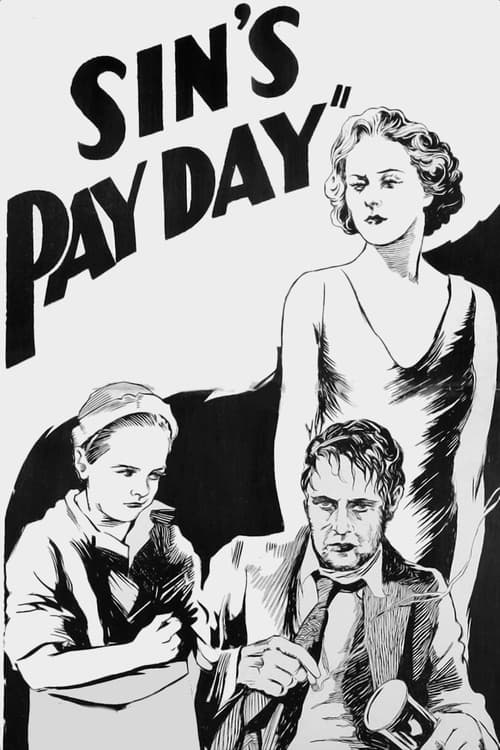
Sin's Pay Day is a product of its time, adhering closely to the social and racial norms of the early 1930s. The narrative centers around a domestic conflict that upholds traditional gender roles and moral binaries. The female lead drives the emotional core of the story, but her actions remain within the confines of a domestic sphere. The film does not feature any characters with LGBTQ+ identities or diverse ethnic backgrounds. Overall, the film serves as a conventional genre piece that upholds the social structures of the early 20th century without challenging established clichés.
Category Breakdown
The film does not include any characters with LGBTQ+ identities. All characters adhere to traditional gender roles and relationships.
The female protagonist asserts herself through her actions outside the home, but her role is still defined by her relationship to male authority figures.
The film features actors from a single ethnic background, reflecting the homogeneity of casting practices from the early 1930s.
The story follows conventional moral standards and typical period themes. It does not critically examine broader societal issues, focusing instead on individual moral dilemmas.
There are no characters with visible or invisible disabilities in the film.
Present on Screen
Limited or Absent
Official Synopsis
A woman married to a defense lawyer leaves him when he refuses to stop defending criminals she believes are guilty.
1935

1933
1938

1931
1938
1931

1941
1933
No reviews yet. Be the first to share your thoughts on this movie!
Use the rating form above to leave a star rating and optional review.