
Jarhead
2005
No user ratings available yet
Representation score: 4.2 out of 10
Representation Score
Fair
2000
RDirector
William Friedkin
Runtime
127 minutes
Average Rating
No ratings yetNew Showbiz Analysis
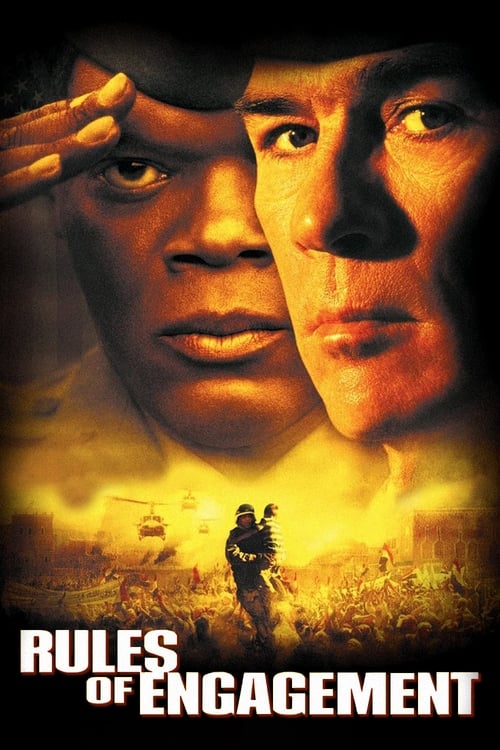
Rules of Engagement succeeds in diversifying high-ranking military roles by centering a Black protagonist in a position of significant institutional power. This choice adds a layer of complexity to the film's exploration of systemic rigidity. However, the film remains deeply traditional in its gender and LGBTQ+ dynamics. The narrative is driven by male-centric combat and legal maneuvering, leaving little room for diverse gender expressions or identities. Ultimately, the film's strength lies in its sophisticated deconstruction of authority, even as it fails to provide significant representation for disabled or queer communities.
Category Breakdown
The film operates within a framework that assumes everyone is straight or cisgender. There are no LGBTQ+ characters or narratives present to challenge existing social structures.
The story centers on masculine-coded conflict and military hierarchy. ability to act is concentrated among male protagonists, offering minimal subversion of traditional patriarchal roles.
Casting a Black man in a high-level military authority role challenges historical homogeneity. The narrative explores the pressures of navigating a predominantly white institutional framework.
The film critiques Western authority and institutional infallibility. It explores the tension between codified legal justice and subjective moral truth through a skeptical lens.
There is no meaningful depiction of visible or invisible disabilities. Characters are defined almost exclusively by their professional functions in combat and legal settings.
Present on Screen
Limited or Absent
Official Synopsis
A Marine Colonel is brought to court-martial after ordering his men to fire on demonstrators surrounding the American embassy in Yemen.
2005
1980

2021
1954

2007

1983

2008

2007
No reviews yet. Be the first to share your thoughts on this movie!
Use the rating form above to leave a star rating and optional review.