
The Wild Stallion
2009
No user ratings available yet
Representation score: 0.7 out of 10
Representation Score
Minimal
1943
NRDirector
Harold D. Schuster
Runtime
89 minutes
Average Rating
No ratings yetNew Showbiz Analysis
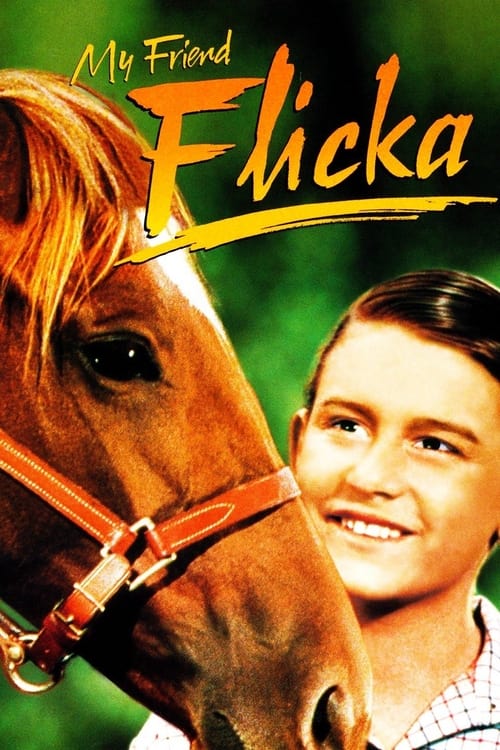
My Friend Flicka is a quintessential example of mid-century traditionalist cinema. The narrative is designed to reinforce established social norms, focusing on the stability of the nuclear family and the preservation of a specific Western lifestyle. The film lacks diversity across almost every metric, presenting a homogeneous view of the American West. It adheres strictly to the patriarchal and racial hierarchies common to 1940s studio productions. While the film successfully explores themes of discipline and character building, it does so through a very narrow cultural lens that avoids any disruption of the era's social status quo.
Category Breakdown
The film focuses solely on straight relationships and does not include any depictions of LGBTQ+ identities or subtext.
Gender roles adhere to traditional mid-century hierarchies, with the father serving as the primary authority figure and the mother acting as a mediator within the patriarchal structure.
The cast is predominantly white and homogeneous, presenting a singular, Anglo-centric view of the American West without including diverse ethnic backgrounds.
The story celebrates traditional Western agrarian values and individual responsibility, reinforcing social stability through themes of parental authority and duty within a ranching framework.
There are no portrayals of physical or invisible disabilities, and the narrative does not engage with neurodivergence or disability as part of the character arcs.
Present on Screen
Limited or Absent
Official Synopsis
Ken McLaughlin is a precocious 10-year-old who lives with his family on a remote Wyoming ranch. When Ken returns home from school with failing grades, his father, Rob, blames the boy's lack of personal responsibility. At the suggestion of his wife, Nell, Rob allows Ken to choose a single colt from the herd to raise as his own. Much to his father's dismay, Ken chooses a fiery mustang filly -- but the two soon become fast friends.
2009
1946
1945
1945
1957
1979
1947
2010
No reviews yet. Be the first to share your thoughts on this movie!
Use the rating form above to leave a star rating and optional review.