My Friend Flicka
1943
No user ratings available yet
Representation score: 0.4 out of 10
Representation Score
Minimal
1945
NRDirector
Louis King
Runtime
78 minutes
Average Rating
No ratings yetNew Showbiz Analysis
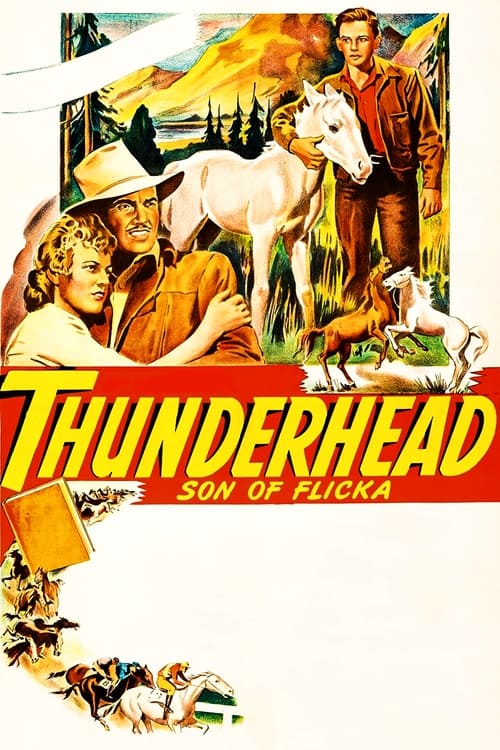
Thunderhead: Son of Flicka is a classic mid-century Western that adheres closely to the social norms of its time. The narrative structure centers on traditional masculine roles, emphasizing ranching, training, and father-son relationships. The film lacks diversity, presenting a homogeneous social environment that upholds 1940s cultural norms. It functions as a celebration of the rural lifestyle rather than a challenge to established social structures. Ultimately, the film serves as a typical example of genre conventions from the mid-20th century, prioritizing pastoral themes and conventional character roles over diverse representation.
Category Breakdown
The film does not include any LGBTQ+ characters or stories. The plot revolves around a child and an animal on a traditional ranch.
The story emphasizes masculine roles and the male perspective of ranch life. Female characters are not given enough depth or ability to act to challenge traditional gender roles.
The movie portrays a mostly uniform social setting. There is no indication of significant racial or ethnic diversity among the main characters or in the core storyline.
The film upholds traditional Western values and the sanctity of the family unit. It highlights the stability of the ranching lifestyle and the importance of rural discipline.
The film does not feature any characters with visible or invisible disabilities. Disability is not a significant element of the plot.
Present on Screen
Limited or Absent
Official Synopsis
A young boy tries to train Thunderhead, a beautiful white colt and the son of his beloved Flicka, to be a champion race horse.
1943

1945
1948
1946

1972
1957
1954
1979
No reviews yet. Be the first to share your thoughts on this movie!
Use the rating form above to leave a star rating and optional review.