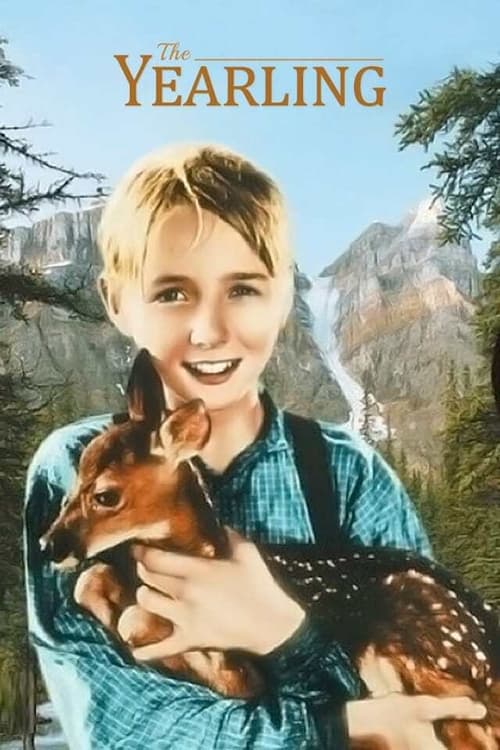
The Yearling
1946
No user ratings available yet
Representation score: 0.4 out of 10
Representation Score
Minimal
1958
NRDirector
Jerry Hopper
Runtime
103 minutes
Average Rating
No ratings yetNew Showbiz Analysis
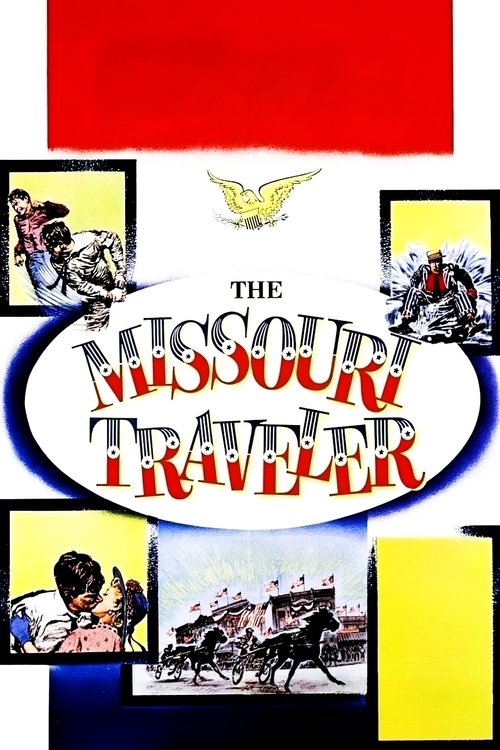
The Missouri Traveler is a period-specific character study that highlights the individual struggle against economic hardship during the Great Depression. While it offers a meaningful look at the pressures of the time, the film remains tied to the social hierarchies of its era. It lacks multi-layered complexity and fails to challenge established social structures. Instead, it relies on conventional gender roles and a homogeneous racial landscape, reflecting the limitations of the period. Ultimately, the film serves as a traditional drama of resilience, offering little in the way of systemic critique or diverse representation.
Category Breakdown
The film does not include any non-cisgender identities or queer-coded subtext, operating within a strictly heterosexual framework.
The male protagonist holds most of the narrative ability to act, while female characters are mostly limited to domestic or romantic supporting roles.
The film features a predominantly white cast reflecting a rural Missouri setting, without significant roles for non-white characters.
The story explores systemic poverty during the Great Depression, focusing on personal morality and resilience without challenging Western cultural institutions.
There is no representation of physical, sensory, or neurodivergent identities within the film.
Present on Screen
Limited or Absent
Official Synopsis
Byron Turner, a 15-year-old runaway from the Eatondale Orphan Asylum, receives a ride into the rural Missouri town of Delphi with rich land-owner Tobias Brown.
1946
1957
1948
1958
1976
1972

1972
1945
No reviews yet. Be the first to share your thoughts on this movie!
Use the rating form above to leave a star rating and optional review.