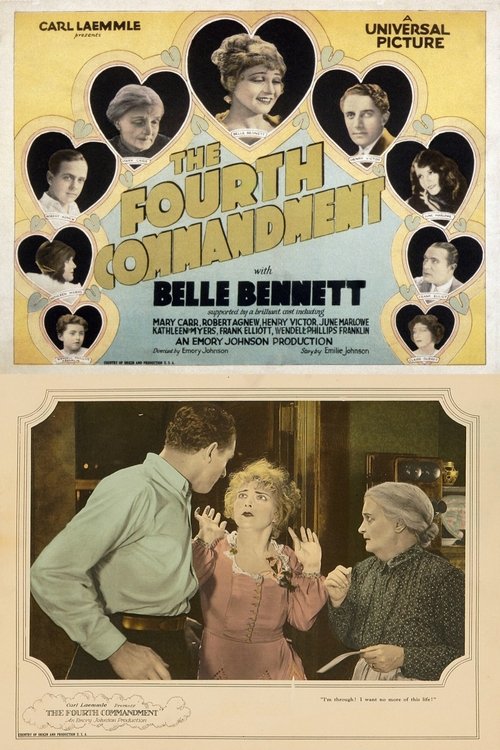
The Fourth Commandment
1927
No user ratings available yet
Diversity score: 2.2 out of 10

1916
PassedDirector
Albert Capellani
Runtime
70 minutes
Average Rating
No ratings yetSynopsis
Based on the Novel by Robert W. Chambers of New York City life among the upper-crust, Valerie West , artist/model and philosopher, undergoes much sorrow and joy, many trials and tribulations, and final triumph on her journey to become the living personification of sweet and noble womanhood.
Overall Score
Limited
Category Breakdown
LGBTQ+ Representation
The film lacks evidence of non-cisnormative identities or same-sex intimacy. The narrative focus on noble womanhood suggests a framework aligned with 1916 heteronormative social expectations.
Gender Representation
Valerie West displays intellectual agency as an artist and philosopher. However, her arc concludes by reinforcing traditional feminine archetypes and moral standards of the era.
Racial & Ethnic Diversity
Set within New York's upper-crust, the film likely reflects the homogeneous social structures of the early 20th century. It appears to prioritize Anglo-Saxon social norms.
Religious & Cultural Diversity
The story follows a traditional moral framework centered on virtue and social stability. It emphasizes character triumph rather than deconstructing Western institutions.
Disability Representation
There is no evidence of characters with visible or invisible disabilities within the film's documented context.
Strengths
Areas for Improvement
AI Analysis
The Common Law is a period drama that functions primarily to reinforce the social and gender hierarchies of the early 20th century. While the protagonist, Valerie West, is granted a degree of professional and intellectual identity as an artist, her ultimate character arc serves to uphold traditional ideals of womanhood. The film's setting within the New York upper class suggests a lack of racial and ethnic diversity, focusing instead on the homogeneous social structures of the time. The narrative structure prioritizes moral stability and conventional social norms over any form of intersectional subversion. Ultimately, the film acts as a traditional character study that validates the established social order of its era rather than challenging it.
1927
1926

1915
1925
1927

1922
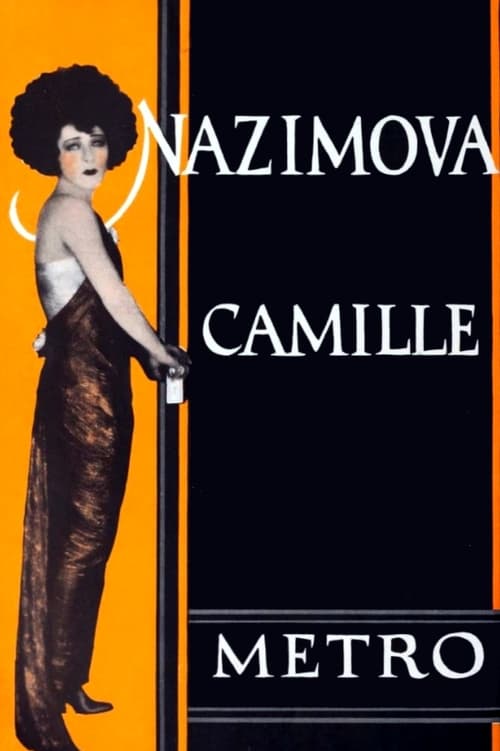
1921
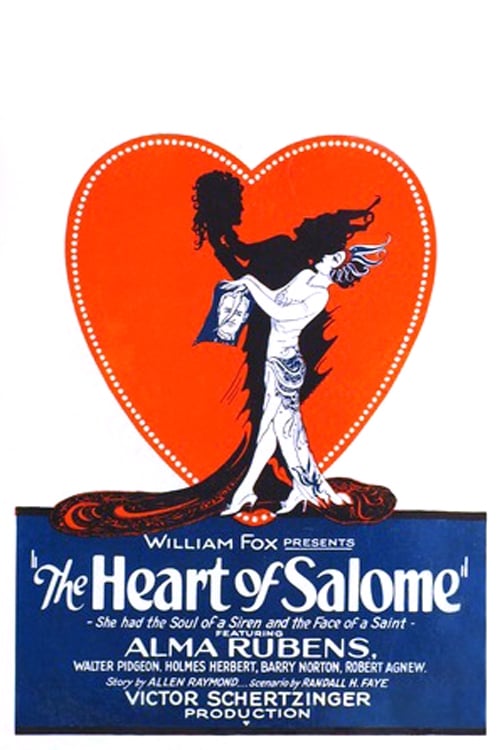
1927
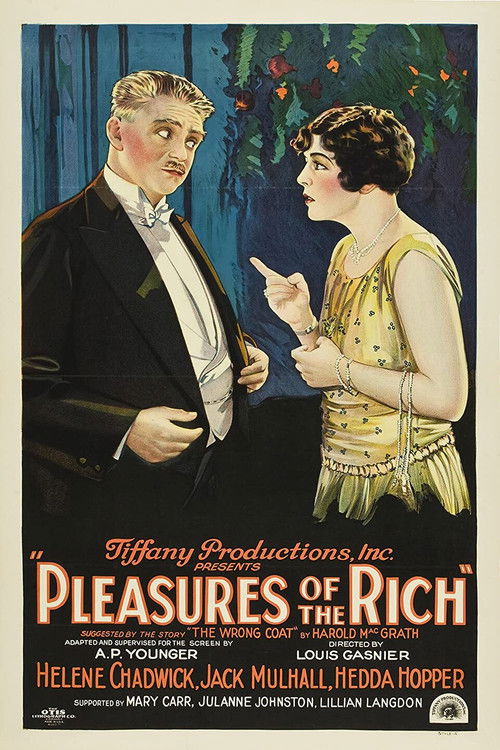
1926
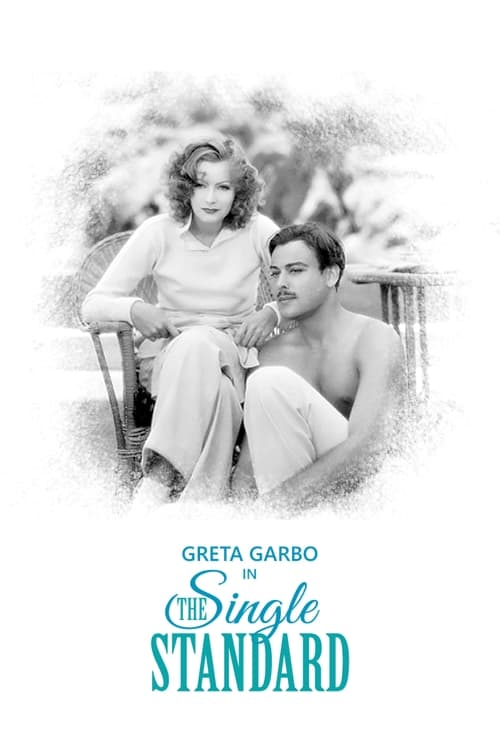
1929
1945
1919
No reviews yet. Be the first to share your thoughts on this movie!
Use the rating form above to leave a star rating and optional review.