Left Luggage
1998
No user ratings available yet
Diversity score: 5.1 out of 10
1970
Director
Nikita Mikhalkov
Runtime
38 minutes
Average Rating
No ratings yetSynopsis
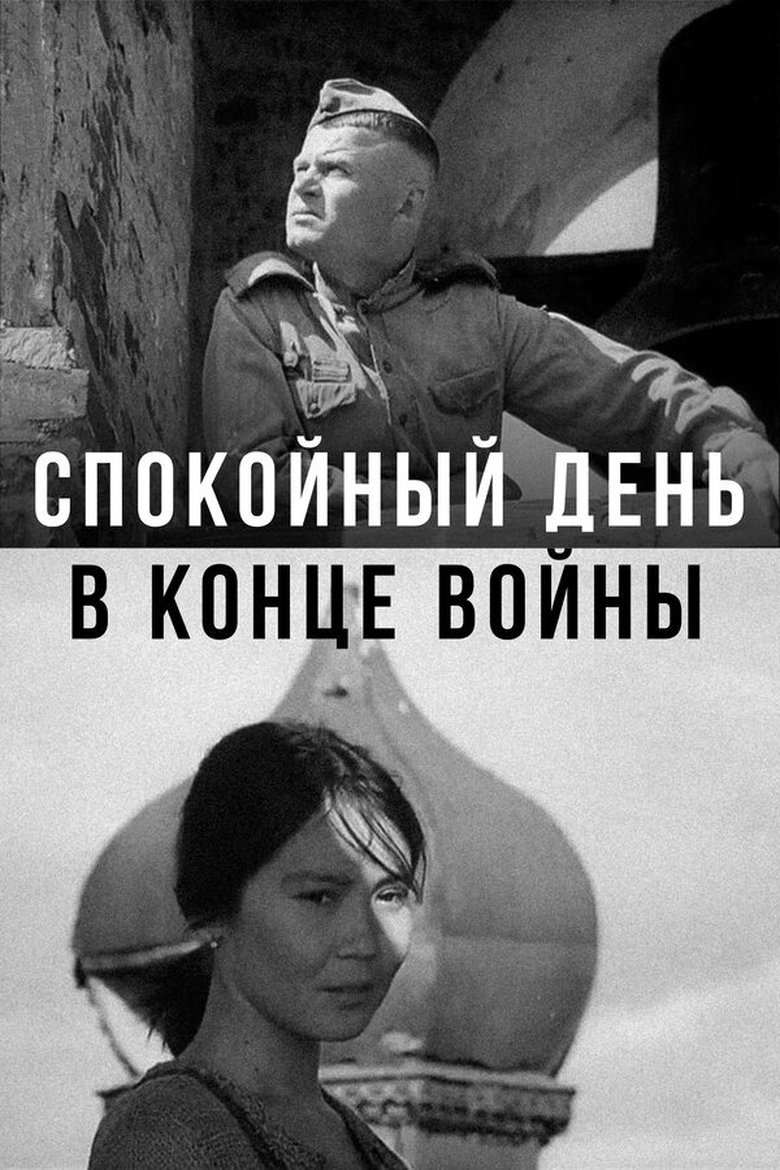
As WWII comes to a close, a wounded Soviet soldier and a Kazak woman seek refuge in a church. In this holy place, they take time to rest and appreciate the beauty of their surroundings, as the interior of the building is lined with ornate works of art. A group of Nazi soldiers eventually disrupts this moment of peace, as they enter the church and defile the sacred works within. Undetected, the original occupants witness this atrocity and the proud Russian feels compelled to fight in an effort to preserve his country’s history.
Overall Score
Fair
Category Breakdown
LGBTQ+ Representation
The film lacks any representation of non-cisnormative gender identities or queer narratives. The story focuses strictly on the survivalist interactions between the soldier and the Kazakh woman.
Gender Representation
The narrative follows traditional wartime archetypes, driven primarily by the male soldier's experience. While a Kazakh woman provides a female perspective, the film does not subvert established gender hierarchies.
Racial & Ethnic Diversity
The inclusion of a Kazakh woman adds ethnic complexity to the Soviet narrative. This choice acknowledges the multi-ethnic reality of the era by centering a non-Russian character in a moment of vulnerability.
Religious & Cultural Diversity
The film uses a church to frame the conflict as a defense of cultural identity. It prioritizes the preservation of sacred art and history, though it remains rooted in traditionalist values.
Disability Representation
The protagonist's status as a wounded soldier serves as a catalyst for his psychological arc. However, this physical impairment functions more as a standard war genre trope than a nuanced exploration.
Strengths
Areas for Improvement
AI Analysis
Nikita Mikhalkov’s drama finds humanity within the rigid structures of wartime existence, focusing on the psychological weight of conflict. The film succeeds in adding ethnic depth by including a Kazakh character, which moves the story beyond a purely mono-ethnic lens. However, the film remains largely bound by the patriarchal and traditionalist frameworks of 1970s Soviet cinema. It relies on established wartime tropes, such as the wounded soldier, rather than offering a deep exploration of disability or social subversion. Ultimately, the work is a study of cultural preservation. By centering the defense of sacred spaces and art, it emphasizes the protection of historical identity over systemic social critique.
1998
1970
1977

2010

2012

1991
2016
1969
1989
1959
1989
1976
No reviews yet. Be the first to share your thoughts on this movie!
Use the rating form above to leave a star rating and optional review.