Surviving with Wolves
2007
No user ratings available yet
Representation score: 5.8 out of 10
Representation Score
Good
1998
UnratedDirector
Jeroen Krabbé
Runtime
100 minutes
Average Rating
No ratings yetNew Showbiz Analysis
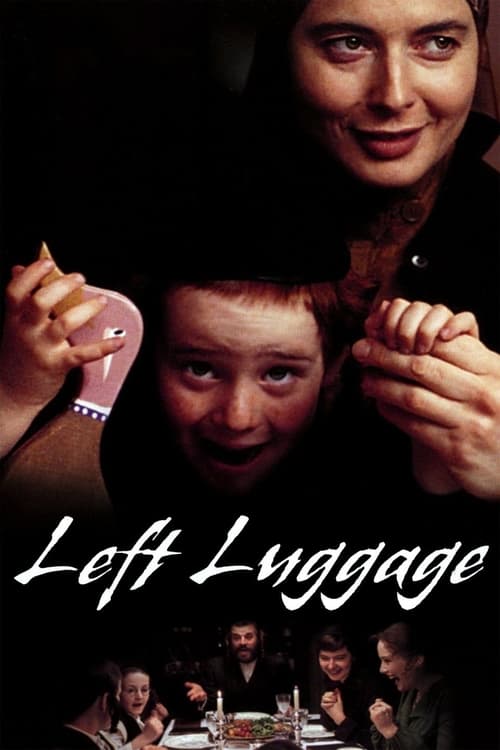
Left Luggage is a character-driven drama that explores the complexities of Jewish identity and historical trauma. It presents a nuanced view of secular and religious life, moving beyond simple stereotypes to show how different cultural frameworks interact. However, the film's scope is narrow, lacking representation for LGBTQ+ identities and focusing on a specific religious and ethnic context. While it provides depth to the Jewish experience, it does not address broader racial or social diversity. Ultimately, the film challenges traditional hierarchies, particularly regarding gendered labor, while remaining limited in its demographic breadth.
Category Breakdown
The film does not include any LGBTQ+ characters or themes. It focuses on generational trauma and the conflict between secular and religious lifestyles.
The story challenges traditional patriarchal authority by showing a mother overwhelmed by domestic duties. Chaya embodies a modern, secular woman's role within a rigid household.
The film centers on the Jewish experience and the Holocaust, offering a nuanced look at ethnic identity through both secular and Chassidic traditions.
The narrative contrasts modern secularism with strict Chassidic tradition, portraying the friction between these two worlds without promoting a single religious morality.
Simcha, a non-verbal four-year-old, may have developmental delays. His character fosters emotional connections but his role in driving the narrative remains somewhat unclear.
Present on Screen
Limited or Absent
Official Synopsis
While escaping from Nazis during the WWII, a Jewish man dug suitcases full of things dear to his heart in the ground two. The war deprived him of his family, and afterwards he endlessly turns over the soil of Antwerp to find the suitcases, which makes him look obsessed. He keeps checking old maps and keeps digging, trying to find, in fact, those he lost. His daughter Chaya is a beautiful modern girl looking for a part-time job. She finds a place as a nanny in the strictly observant Chassidic family with many children, although her secular manners clearly fly in the face of many commandments. One of the reasons she is accepted is that mother of the family is absolutely overburdened by the household, so she stays despite the resistance of the father, normally - an indisputable authority in the family. She develops a special bond with the youngest of the boys, four-year old Simcha, so far incapable of speaking.
2007

2007

1966
1952

2004

1999
1997

1959
No reviews yet. Be the first to share your thoughts on this movie!
Use the rating form above to leave a star rating and optional review.