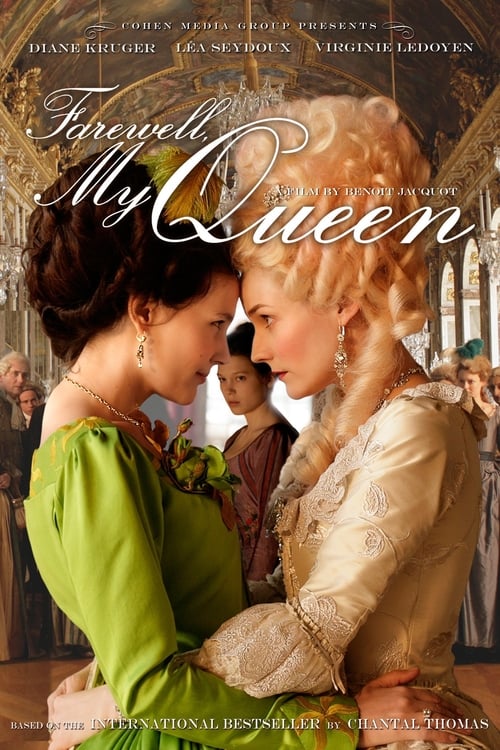
Farewell, My Queen
2012
No user ratings available yet
Representation score: 5.6 out of 10

Representation Score
Fair
2016
Director
Albert Serra
Runtime
115 minutes
Average Rating
No ratings yetNew Showbiz Analysis
The film is a postmodern deconstruction of power that prioritizes sensory experience over traditional biographical narratives. By focusing on the physical decay of a monarch, it challenges the 'Great Man' theory of history. While the film lacks modern demographic diversity due to its adherence to the historical setting, it achieves a progressive narrative through its subversion of absolute monarchy. It uses the King's suffering to offer a subjective, sensory-driven perspective on power. The work critiques Western institutional stability by using the King's suffering to dismantle the mythos of the absolute ruler.
Category Breakdown
The film focuses on the King's physical decline and court rituals, without depicting same-sex intimacy or non-cisgender identities.
The story centers on a powerful male figure who is physically vulnerable. Female characters are confined within existing patriarchal structures without actively challenging gender hierarchies.
The casting reflects the historical homogeneity of the 1715 French aristocracy, with no attempt to include actors of different races or ethnicities.
The film dismantles Western institutions by focusing on the King's physical decline. It portrays the court as a place where rituals are decaying rather than glorified.
The story offers an unflinching look at chronic illness and the loss of bodily autonomy. The King's suffering serves to deconstruct the myth of absolute power.
Present on Screen
Limited or Absent
Official Synopsis
August 1715. After going for a walk, Louis XIV feels a pain in his leg. The next days, the king keeps fulfilling his duties and obligations, but his sleep is troubled and he has a serious fever. He barely eats and weakens increasingly. This is the start of the slow agony of the greatest king of France, surrounded by his relatives and doctors.
2012
2014

2015
2024

2014
1973

2016
1994
No reviews yet. Be the first to share your thoughts on this movie!
Use the rating form above to leave a star rating and optional review.