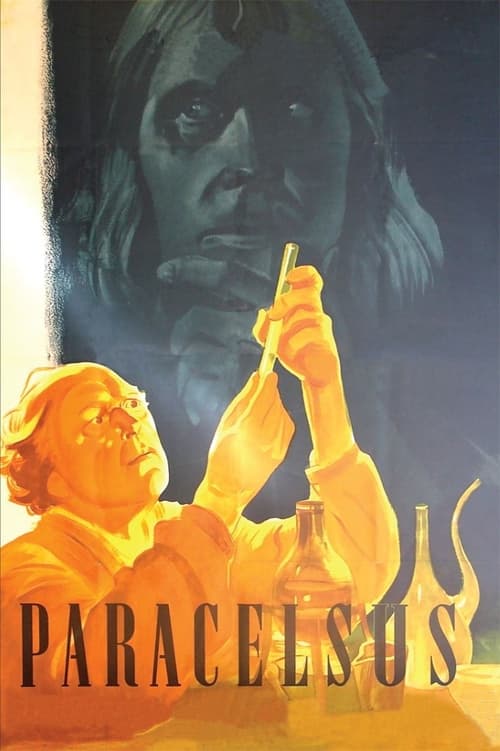
Paracelsus
1943
No user ratings available yet
Representation score: 3.9 out of 10
Representation Score
Limited
1994
RDirector
Roger Christian
Runtime
119 minutes
Average Rating
No ratings yetNew Showbiz Analysis
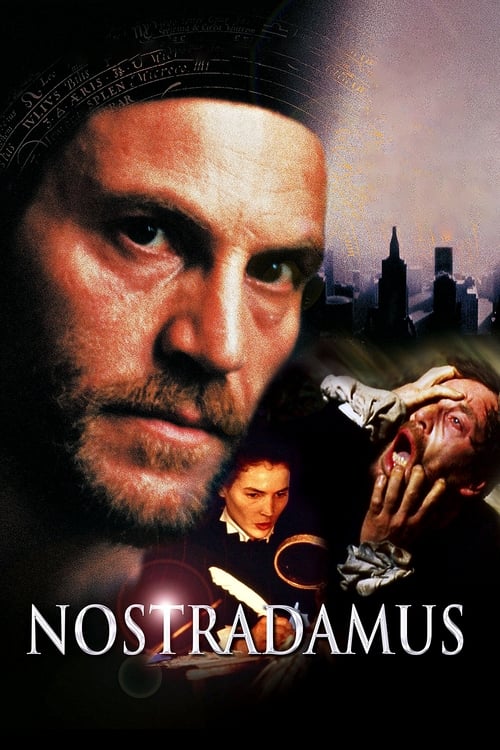
Nostradamus (1994) is a conventional historical biopic that emphasizes period accuracy and the singular journey of a prominent male figure. The film adheres to established cinematic structures, focusing on the life of Michel de Nostredame without attempting to deconstruct social hierarchies. The representation is limited by its adherence to 16th-century social norms, resulting in a homogeneous visual and social landscape that lacks significant diversity in terms of race, gender ability to act, or LGBTQ+ identities. While the film captures the tension between science and religion, it does so through a traditional lens, functioning as a standard genre piece rather than a work designed to challenge modern social expectations.
Category Breakdown
The film follows a traditional 16th-century historical framework and does not include any representation of LGBTQ+ identities or same-sex relationships.
The story focuses on the male protagonist's intellectual and prophetic authority. Julia Ormond plays a significant role, but the film adheres to traditional gender hierarchies without challenging them.
The casting reflects the homogeneous European demographics of 16th-century France. The film lacks non-white characters in positions of significant influence or characters who reflect more than one aspect of diversity.
The narrative explores the historical tension between prophetic insight and established religious institutions, presenting a traditional conflict rather than a modern critique.
The protagonist faces physical and mental challenges as a plague doctor and seer. However, these elements are portrayed through standard period clichés without addressing neurodivergent experiences.
Present on Screen
Limited or Absent
Official Synopsis
A dramatic retelling of the life of Michel de Nostredame, from his early work as a plague doctor to his time at the court of Catherine de Medici, after he became famed for his prophetic almanacs. Stars Rutger Hauer and Julia Ormond.
1943
1963
2009
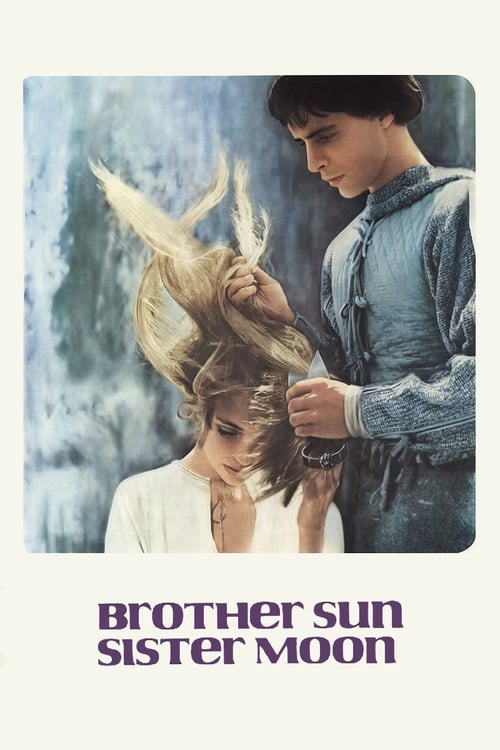
1972
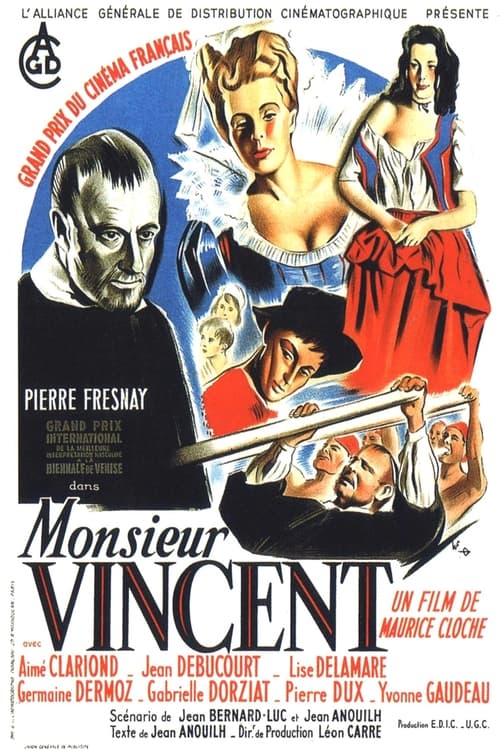
1947
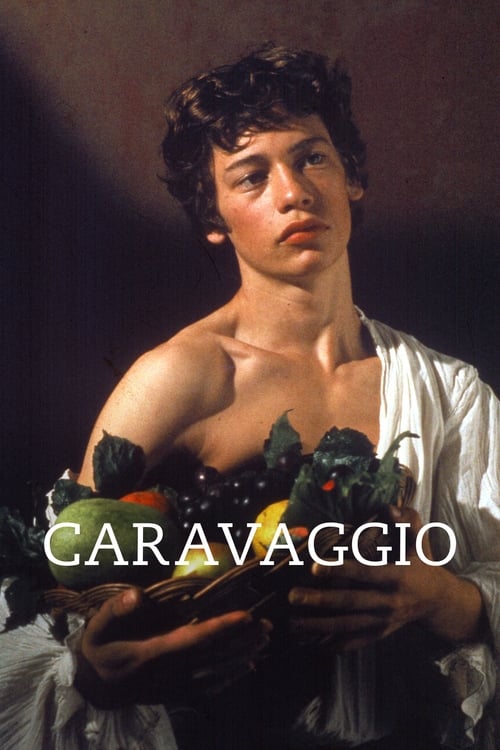
1986
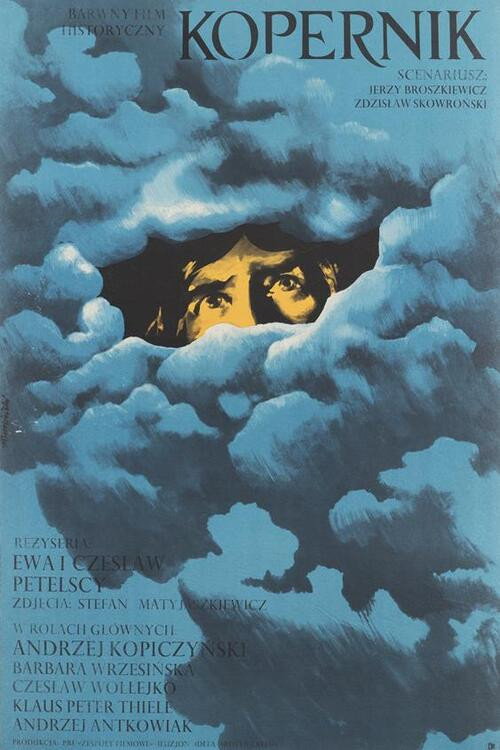
1973

1991
No reviews yet. Be the first to share your thoughts on this movie!
Use the rating form above to leave a star rating and optional review.