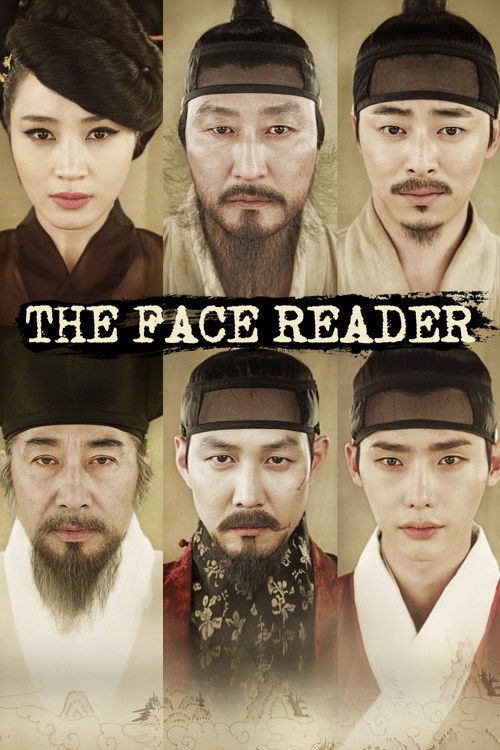
The Face Reader
2013
No user ratings available yet
Representation score: 4.5 out of 10
Representation Score
Fair
2015
Director
Lee Joon-ik
Runtime
126 minutes
Average Rating
No ratings yetNew Showbiz Analysis
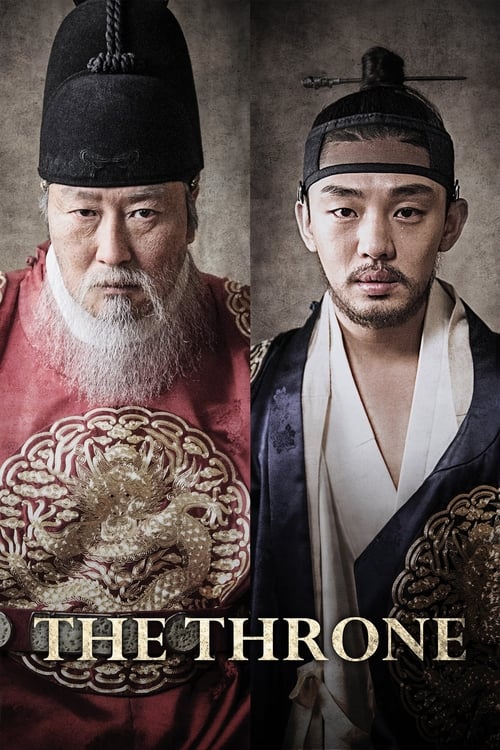
The Throne is a psychological study of institutional rigidity rather than a modern exploration of demographic inclusion. It prioritizes historical accuracy and the deconstruction of Confucian orthodoxy over contemporary representation. While the film lacks LGBTQ+ and gender diversity, it effectively critiques the institutions that enforce such hierarchies. It portrays the monarchy not as a stable pillar, but as a source of systemic oppression and trauma. Ultimately, the film's low diversity scores reflect its commitment to a period-accurate, patriarchal setting, even as it uses that setting to challenge the sanctity of traditional power structures.
Category Breakdown
The film adheres to the strict socio-cultural norms of the 18th-century Joseon Dynasty. It does not include non-straight or non-cisgender identities and focuses on heterosexual relationships.
Power is concentrated in a patriarchal system where men hold positions of authority. Women primarily serve as observers or emotional support, and do not have much influence over the central political conflicts.
The cast is culturally and ethnically uniform, reflecting the historical accuracy of the Joseon era. It does not include diverse backgrounds or contemporary casting methods.
The narrative provides a sophisticated look at Confucian structures and monarchical governance. It examines how strict adherence to rituals and statecraft can lead to systemic dysfunction.
The film addresses psychological instability through Crown Prince Sado's erratic behavior. However, mental health issues are primarily used as a plot device rather than exploring the lived experiences of those with disabilities.
Present on Screen
Limited or Absent
Official Synopsis
Ancient Korea, July 4, 1762. The Crown Prince Hyojang, posthumously named Sado, son of King Yeongjo of Joseon, is accused of treason. Thus, the king asks him to commit suicide, but his closest vassals prevent it, so the king orders the prince to get inside a wooden rice chest, where he suffers deprivation of food and water.
2013
2005
2015
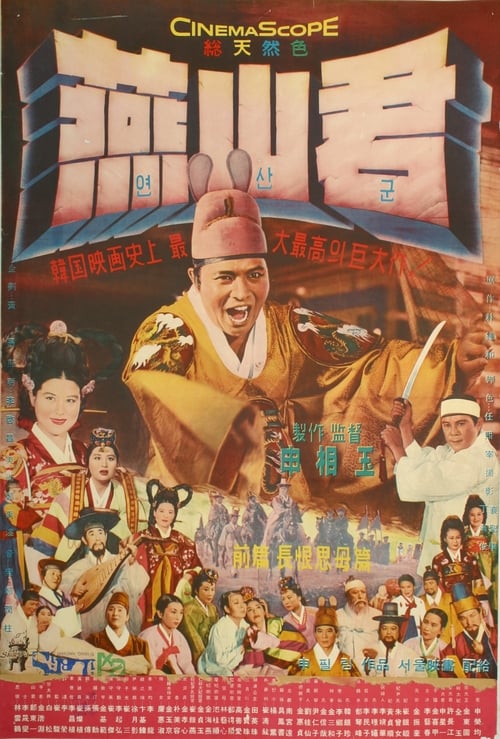
1961
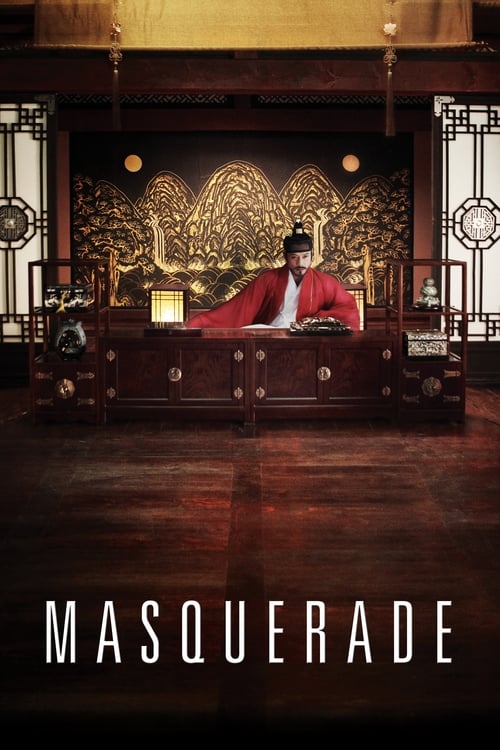
2012
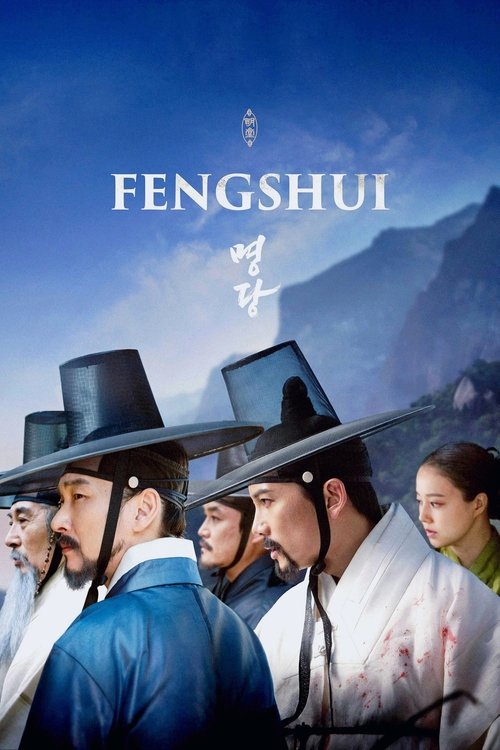
2018
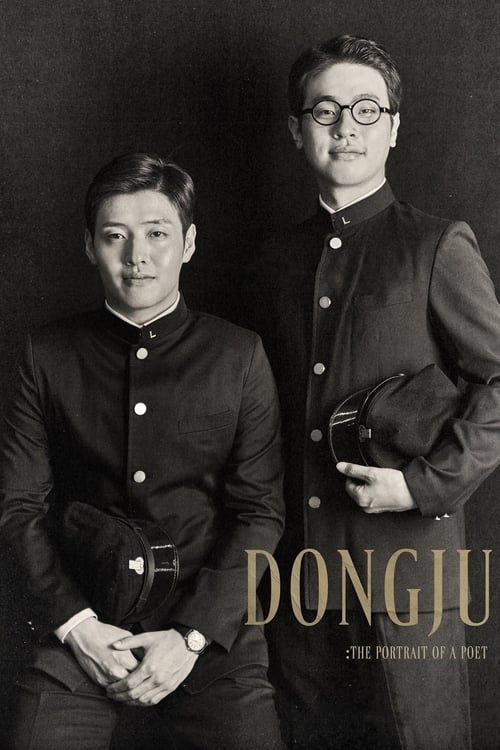
2016
2017
No reviews yet. Be the first to share your thoughts on this movie!
Use the rating form above to leave a star rating and optional review.