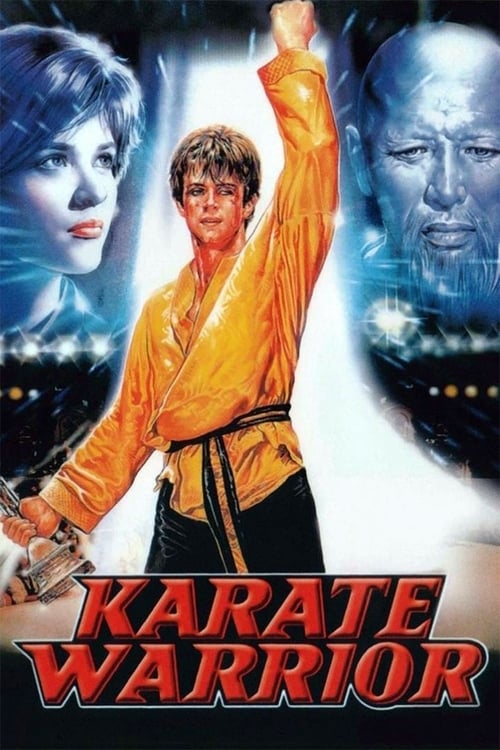
Karate Warrior
1987
No user ratings available yet
Representation score: 2.4 out of 10
Representation Score
Minimal
1988
Director
Fabrizio De Angelis
Runtime
92 minutes
Average Rating
No ratings yetNew Showbiz Analysis
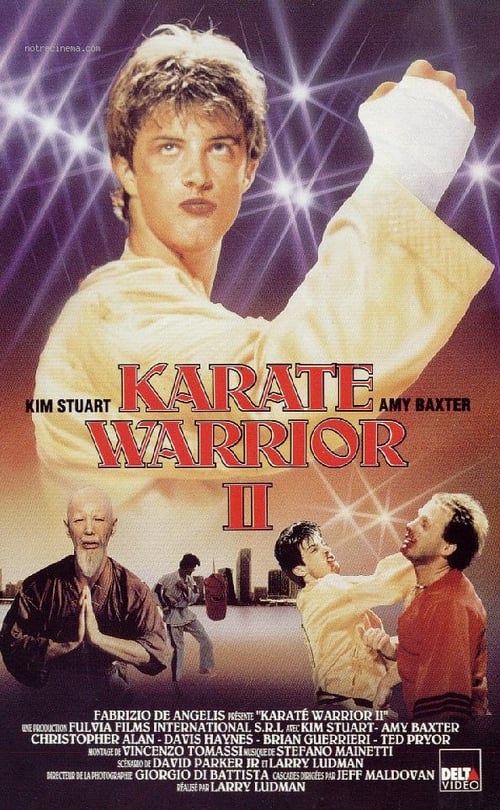
Karate Warrior 2 is a typical 1980s martial arts film that prioritizes genre clichés over social complexity. The narrative follows a traditional hero's journey centered on individual discipline and physical mastery. While the film incorporates international elements through its setting in the Philippines, it remains rooted in Western storytelling structures. The focus is on personal honor and resolving conflict through skill rather than exploring systemic or social hierarchies. Ultimately, the film serves as a character study of a singular male protagonist. It lacks the intentionality needed to present diverse identities or disrupt traditional social dynamics.
Category Breakdown
The film does not include any LGBTQ+ characters or non-cisgender identities. The story focuses solely on the male protagonist’s moral and physical growth.
The story centers around a male-dominated conflict involving martial arts gangs. It reinforces traditional masculine roles like the warrior and the bully without giving women a significant role.
The protagonist's training in the Philippines introduces a degree of cross-cultural exchange. However, the film focuses on a U.S.-centered conflict without delving deeply into racial identity.
The film follows conventional Western storytelling and traditional moral frameworks. It emphasizes personal honor and discipline without challenging specific cultural or secular narratives.
There is no information about characters with physical, sensory, or neurodivergent disabilities. The narrative does not address disability representation.
Present on Screen
Limited or Absent
Official Synopsis
After studying martial arts in the Philippines and defeating his opponent Quino, Anthony Scott heads back to the U.S. to attend college. Making the promise to his teacher that he will not fight, Anthony finds himself the target of the Tigers, a local martial arts gang led by bully Dick. When Dick constantly attempts to fight Anthony, Anthony refuses. However, Anthony will fight under the condition that it will be a fair fight. When Dick resorts to dirty tactics, Anthony uses his special move, The Dragon Strike, to defeat Dick. Upset at his loss, Dick decides to get even through the Tigers' real leader, Mark Sanders.
1987

1978
1991
1986
1975

1972

1981
1985
No reviews yet. Be the first to share your thoughts on this movie!
Use the rating form above to leave a star rating and optional review.