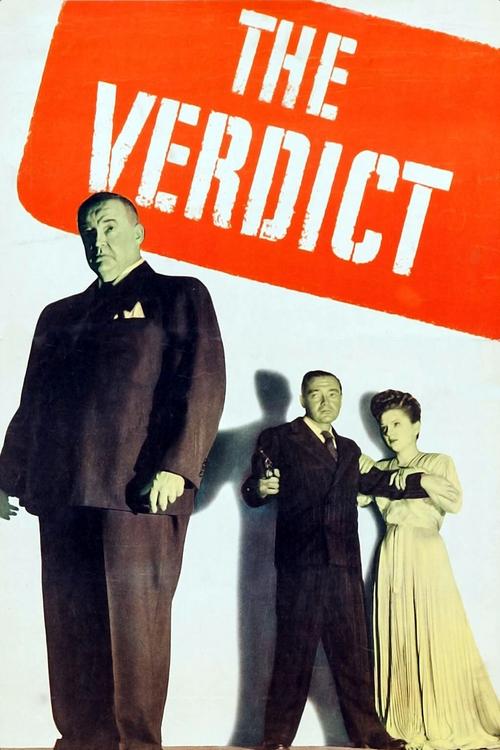
The Verdict
1946
No user ratings available yet
Representation score: 1.6 out of 10
Representation Score
Minimal
1951
NRDirector
William Castle
Runtime
78 minutes
Average Rating
No ratings yetNew Showbiz Analysis
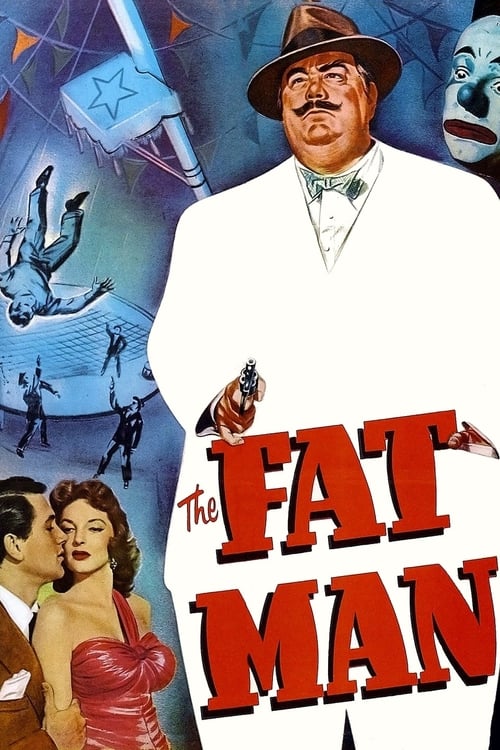
The Fat Man is a mid-century crime mystery that adheres strictly to the hardboiled detective clichés of 1951. The narrative focuses on a private investigator solving a murder, operating within the established social and systemic norms of the era. Because the story centers on individual detective work and the protection of property, it lacks the structural framework to explore multiple aspects of identity. The film functions as a standard genre piece rather than a tool for social critique. Ultimately, the film reflects the homogeneous casting and traditional hierarchies common to American cinema of its period.
Category Breakdown
The film follows a traditional crime procedural structure. There is no evidence of LGBTQ+ identities or narratives that challenge heteronormativity.
The narrative centers on the male private investigator, Brad Runyan. The story appears to rely on standard mid-century gender roles without significant female empowerment.
The story focuses on a localized crime involving a dentist and a private eye. There is no indication of ethnic blending or diverse casting.
The plot aligns with traditional Western institutional values and restorative justice. It does not appear to critique capitalism or traditional morality.
The synopsis provides no mention of characters with physical or neurodivergent disabilities.
Present on Screen
Limited or Absent
Official Synopsis
A innocent dentist is murdered and the only apparent motive seems to be to steal a set of dental x-rays. To the police it looks like an accident, but private eye Brad Runyan thinks there's more to it.
1946
1944
1949
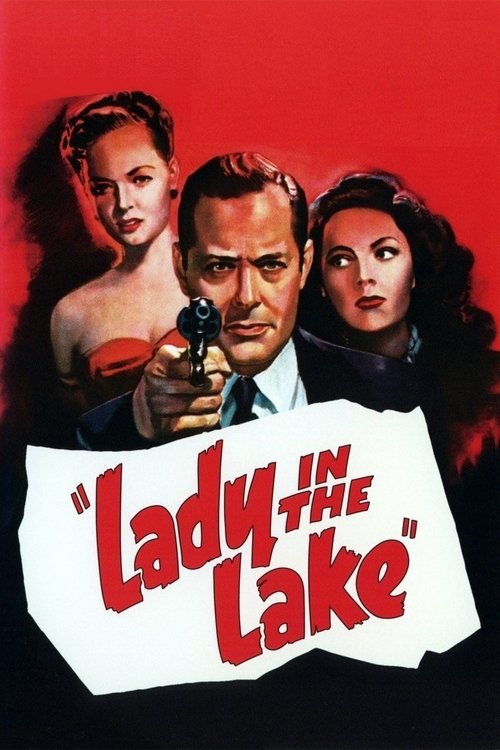
1946
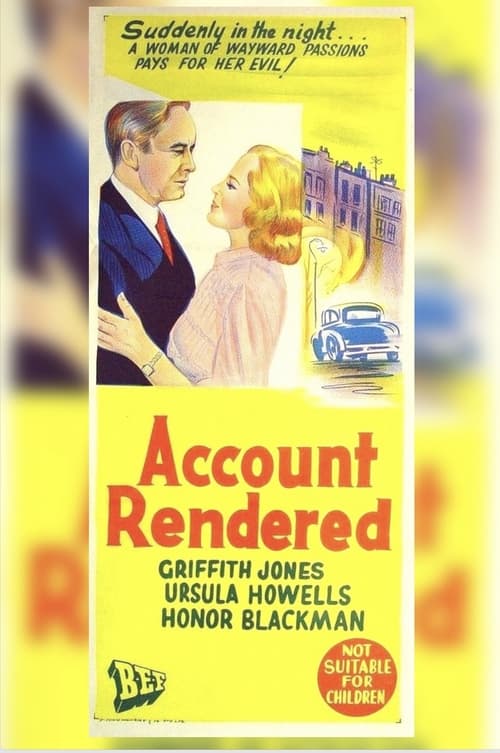
1957
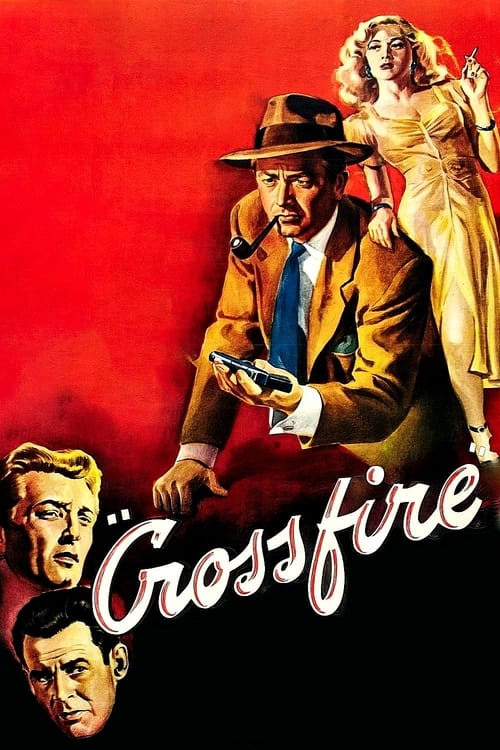
1947
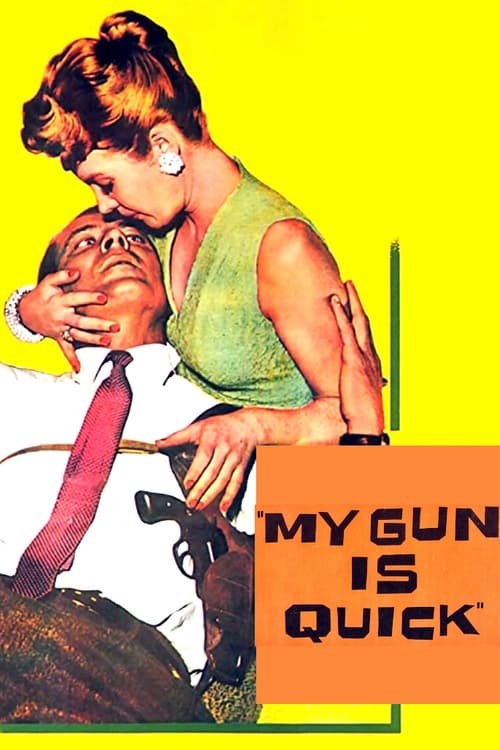
1957
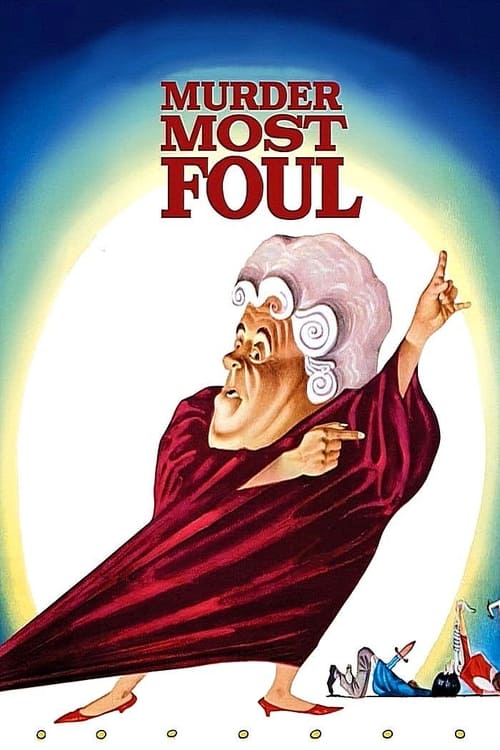
1964
No reviews yet. Be the first to share your thoughts on this movie!
Use the rating form above to leave a star rating and optional review.