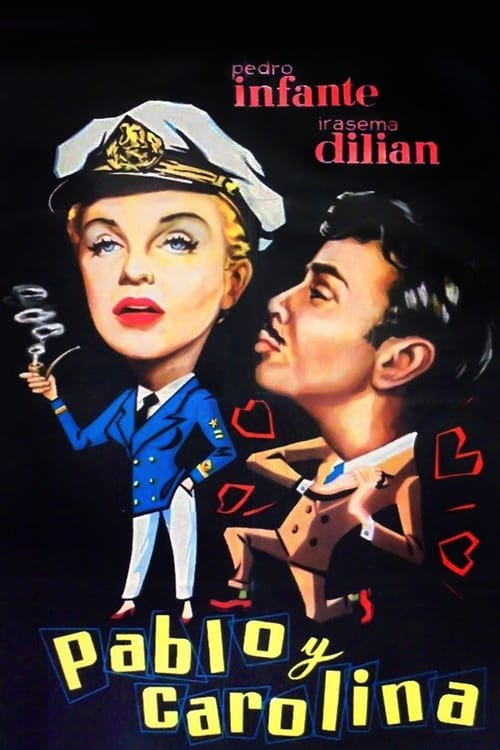
Pablo y Carolina
1957
No user ratings available yet
Representation score: 4.9 out of 10
Representation Score
Limited
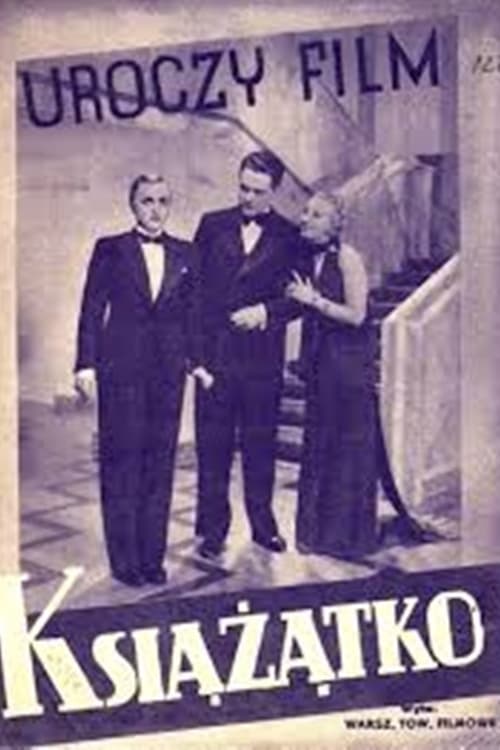
1937
PassedDirector
Konrad Tom, Stanisław Szebego
Runtime
80 minutes
Average Rating
No ratings yetNew Showbiz Analysis
The Little Prince employs a classic mistaken identity cliché to explore the fluidity of social presentation. By dressing a female protagonist in masculine skiing attire, the film creates a comedic disruption of gendered dress codes. This approach allows for a playful exploration of how identity is perceived visually. However, the film remains a product of its time, adhering to the comedic conventions of 1930s Poland. While it challenges traditional gender roles, it lacks modern multi-layered depth and maintains a homogeneous social focus. The narrative structure prioritizes period-specific entertainment over a deeper examination of identity. Ultimately, the film serves as a window into the social dynamics of the Golden Age of Polish musical comedy. It highlights early cinematic interest in gender performance while maintaining traditional romantic resolutions.
Category Breakdown
The plot revolves around a mistaken identity scenario where a woman adopts a masculine persona. However, the story concludes with traditional romantic pairings.
Wladyslawa Majewska takes control by adopting a masculine persona to gain employment. The humor arises from defying expected feminine behavior within a resort environment.
The film focuses on a homogeneous social group in 1930s Poland. There is no indication of a multi-ethnic cast or diverse racial backgrounds.
The narrative examines social mobility and the performance of class roles. It presents a light-hearted skepticism towards strict social hierarchies and etiquette.
The film does not include any characters with visible or invisible disabilities.
Present on Screen
Limited or Absent
Official Synopsis
Staying at a fancy resort, Wladyslawa Majewska is mistaken as a male guest when she is dressed in a skiing outfit. The manager offers her, thinking she is a he, a job as a dancer to entertain the unescorted ladies who frequent the hotel. Wladyslawa goes along with the offer, and keeps the old ladies dancing but falls in love with the best-looking male guest in the process, who thinks she is a man.
1957
1937
1964
1945

1934
1918
1916
1955
No reviews yet. Be the first to share your thoughts on this movie!
Use the rating form above to leave a star rating and optional review.