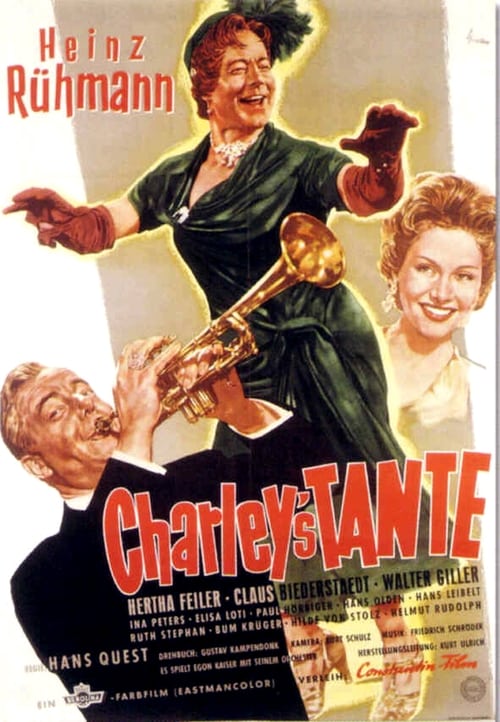
Charley's Aunt
1956
No user ratings available yet
Representation score: 2.3 out of 10
Representation Score
Limited
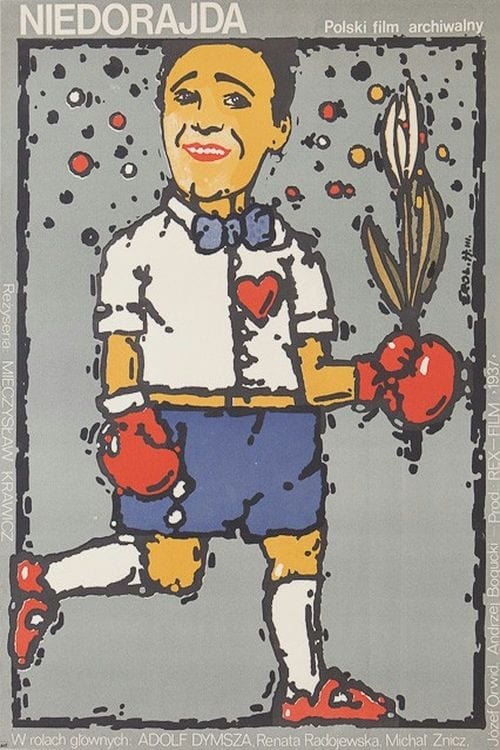
1937
Director
Mieczysław Krawicz
Runtime
74 minutes
Average Rating
No ratings yetNew Showbiz Analysis
The Screw-Up is a product of its era, using slapstick and gender-based masquerade as primary comedic drivers. While the protagonist's cross-dressing offers a non-assuming gender matches what was assigned at birth presentation, it functions strictly as a device for humor rather than a meaningful exploration of identity. The film's structure reinforces existing social hierarchies, with female authority framed as a hurdle to be bypassed through trickery. It lacks any evidence of racial or ethnic diversity, reflecting the homogeneous social landscape of pre-war Poland. Ultimately, the film prioritizes traditional comedic clichés over characters who reflect more than one aspect of diversity, maintaining the status quo of the 1930s.
Category Breakdown
The film uses cross-dressing as a central comedic element. Adolf Dymsza dresses as a woman to overcome social barriers, but this is used for laughs rather than exploring LGBTQ identity.
The narrative relies on traditional gender roles, featuring a powerful female guardian. Humor comes from the protagonist's deception, which reinforces conventional gender roles rather than challenging them.
The production reflects a homogeneous social environment typical of 1937 Polish cinema. There is no evidence of a multi-ethnic cast or diverse ethnic identities within the story.
The plot focuses on romantic pursuits and social maneuvering within mid-century European conventions. It upholds the social status quo rather than critiquing religious or institutional structures.
There is no information available regarding the portrayal of physical or neurodivergent disabilities in this film.
Present on Screen
Limited or Absent
Official Synopsis
Polish comedian Adolf Dymsza cross-dressing and masquerading as a woman in order to gain the confidence of his sweetheart's domineering guardian.
1956
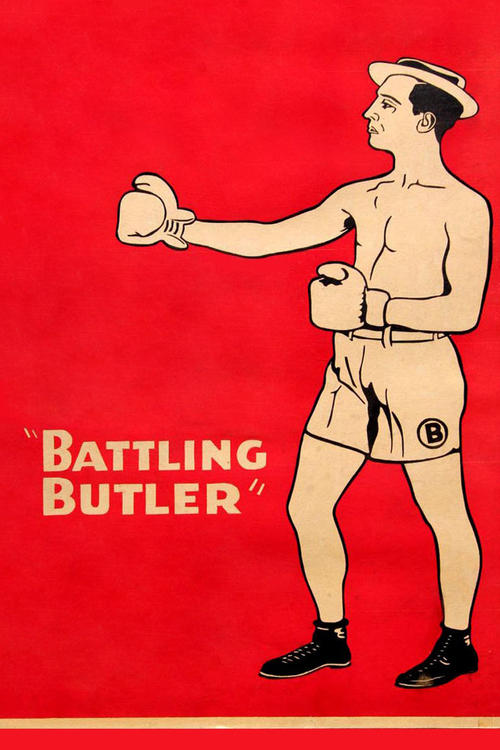
1926

1932

1934
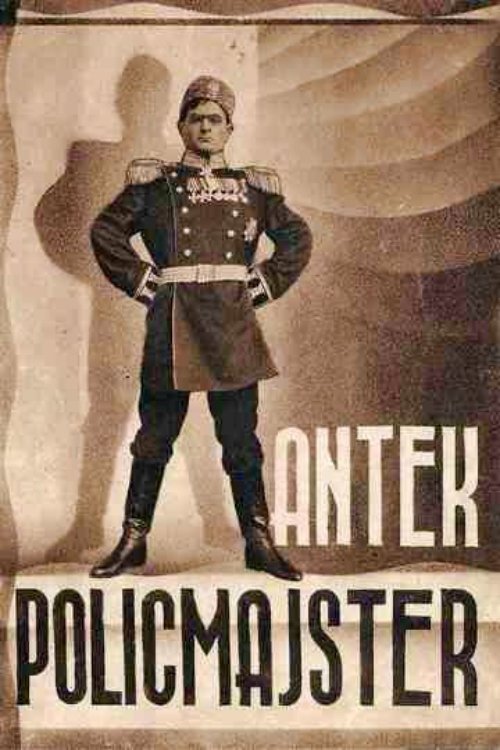
1935
1935
1973
1937
No reviews yet. Be the first to share your thoughts on this movie!
Use the rating form above to leave a star rating and optional review.