The ABC of Love
1916
No user ratings available yet
Representation score: 4.7 out of 10
Representation Score
Fair
1957
Not RatedDirector
Mauricio de la Serna
Runtime
96 minutes
Average Rating
No ratings yetNew Showbiz Analysis
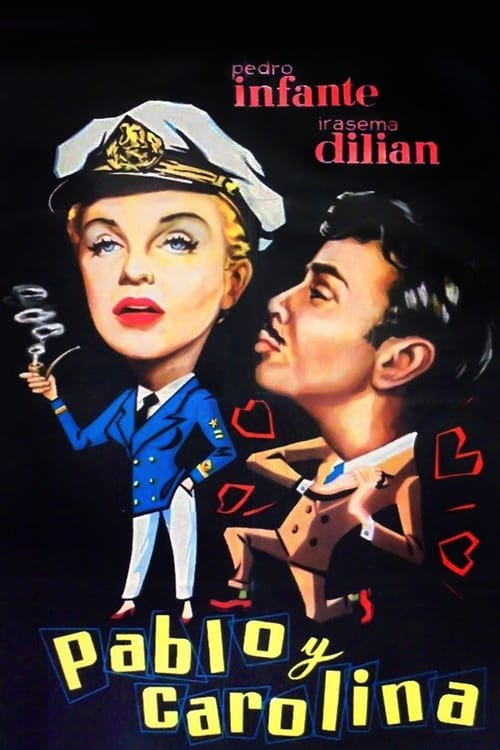
Pablo y Carolina stands out as a mid-century romantic comedy that subtly engages with identity subversion. By utilizing a mistaken identity plot centered on gender performance, the film moves beyond standard clichés to explore how characters navigate social expectations. While rooted in the commercial conventions of 1957, its strength lies in the deconstruction of masculinity and the protagonist's active role in her own romantic dilemmas. It offers a nuanced look at gender fluidity through a period-appropriate lens.
Category Breakdown
The film explores gender performance through Carolina's disguise as her brother, Anibal. This creates tension as Pablo finds himself attracted to this non-traditional masculine presentation. The portrayal challenges traditional gender roles.
Carolina plays a significant role in driving the story through her manipulation of her social environment using deception. Her actions challenge rigid gender norms of the time.
The production centers on a domestic Mexican cast, moving away from Hollywood-centric norms. However, the characters appear largely homogeneous within the era's social structures.
The story focuses on individual romantic pursuits rather than broader social critiques. It depicts modernizing elements like cabaret culture but follows a traditional romantic comedy trajectory.
There is no evidence of characters with visible or invisible disabilities within the narrative.
Present on Screen
Limited or Absent
Official Synopsis
Torn between three lovers and bored by her typewriting classes, Carolina (Dillian) writes a passionate love letter to fictional Pablo Garza from Monterrey. The letter is sent by mistake and received by real Pablo Garza's girlfriend. Pablo himself (Infante) flies to Mexico City looking for an explanation. Carolina is rehearsing a musical show for her school dressed as a man. When Pablo meets her, she pretends to be her brother Anibal, a shy and feminine sailor. Pablo likes Anibal and invites "him" to a cabaret. After that, Carolina falls inlove with Pablo but resists to unveil her real self. Meanwhile, Pablo feels himself confused, because young "Anibal" is cute as an angel and has "those blue eyes..."
1916
1955

1994
1961
1940

1974

1937
1954
No reviews yet. Be the first to share your thoughts on this movie!
Use the rating form above to leave a star rating and optional review.