Careless Lady
1932
No user ratings available yet
Representation score: 1.7 out of 10
Representation Score
Fair
1916
Director
Magnus Stifter
Runtime
43 minutes
Average Rating
No ratings yetNew Showbiz Analysis
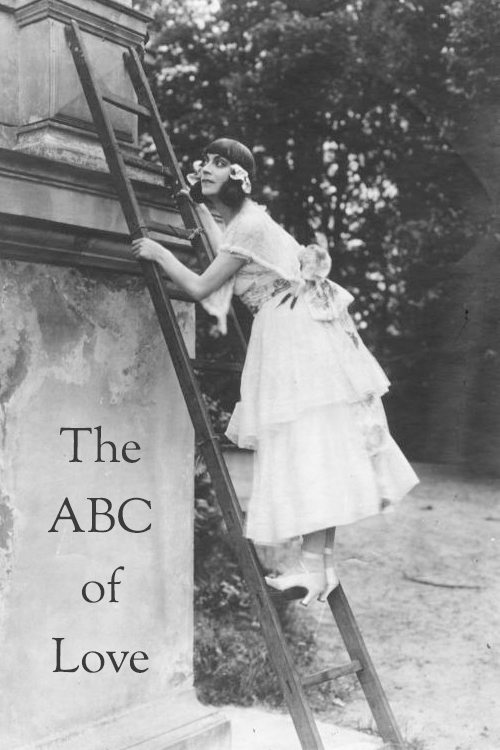
The film offers a moderate level of subversion for its time, particularly through its treatment of gender roles. By positioning a female character as the instructor of masculinity, it challenges the period's standard power dynamics. However, the work remains limited by the comedic conventions of 1916. The use of gender disguise functions more as a plot device for social maneuvering than a profound critique of the assumption that everyone is straight or cisgender or identity. While the narrative touches on racialized archetypes through the protagonist's desires, it lacks concrete evidence of diverse casting or multi-layered depth.
Category Breakdown
The film features a gender-bending element where Lis adopts a male disguise to navigate Paris, serving mainly as a comedic tool for social infiltration rather than a deep exploration of queer identity.
Lis acts as the primary driver of change, teaching her partner masculinity with decisiveness. The film challenges traditional hierarchies by showing the male experience as unexpectedly difficult.
The protagonist's longing for a Latino man suggests an interest in racialized archetypes. However, there is no confirmed evidence of diverse casting or characters of color taking a leading role.
Paris serves as a backdrop for social experimentation and the disruption of domestic life. The story emphasizes individual ability to act and romantic fulfillment rather than a systemic critique of institutions.
The narrative contains no visible or invisible disabilities.
Present on Screen
Limited or Absent
Official Synopsis
When Lis meets her fiancé for the first time, she is severely disappointed. Having dreamed of a dashing, mysterious Latino man, she instead finds herself stuck with the shy and inexperienced Philip. Something must be done! Lis takes Philip to Paris, where she intends to teach him to be a real man. But doing so requires her to gain access to male society herself. Disguised as a man, Lis ventures out into Paris nightlife with Philip, only to discover that life as a man is harder than expected. However, the real trouble begins when Lis’s father shows up unannounced. (stumfilm.dk)
1932

1926

1934
1926
1915
1923
1932
1935
No reviews yet. Be the first to share your thoughts on this movie!
Use the rating form above to leave a star rating and optional review.