
City Girl
1930
No user ratings available yet
Representation score: 0.9 out of 10
Representation Score
Minimal
1940
NRDirector
Sam Wood
Runtime
90 minutes
Average Rating
No ratings yetNew Showbiz Analysis
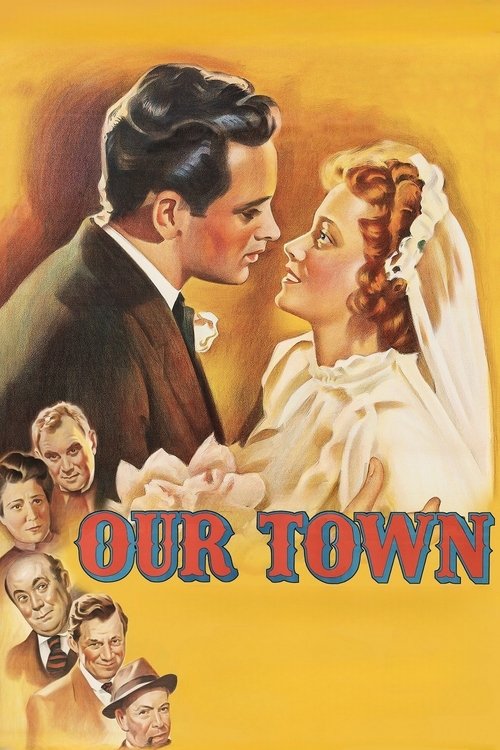
This adaptation of Thornton Wilder’s play serves as a study of early 20th-century American life, prioritizing historical realism and social cohesion. While it offers a profound humanist exploration of the human experience, it adheres strictly to the conservative social hierarchies of its era. The film's strength lies in its depiction of community interconnectedness and the cyclical nature of existence. However, its reliance on traditionalism results in a lack of diverse representation and progressive narrative disruption.
Category Breakdown
The film focuses on heterosexual milestones such as marriage and birth. There is no presence of queer subtext or non-cisgender identities.
Female characters like Emily Webb offer emotional depth and philosophical insights. However, they operate within traditional early 20th-century domestic roles and patriarchal structures.
The cast is predominantly homogeneous, reflecting a white, rural New Hampshire community. This lack of diverse backgrounds aligns with the historical setting but limits diversity.
The narrative celebrates traditional Western community structures and established institutions. It emphasizes social cohesion and the sanctity of the domestic lifecycle.
There are no prominent depictions of physical or neurodivergent disabilities. The story focuses on universal biological milestones rather than specific accessibility or disability themes.
Present on Screen
Limited or Absent
Official Synopsis
Change comes slowly to a small New Hampshire town in the early 20th century. We see birth, life and death in this small community.
1930

1951
1935

1955
1961
1948

1957

1953
No reviews yet. Be the first to share your thoughts on this movie!
Use the rating form above to leave a star rating and optional review.