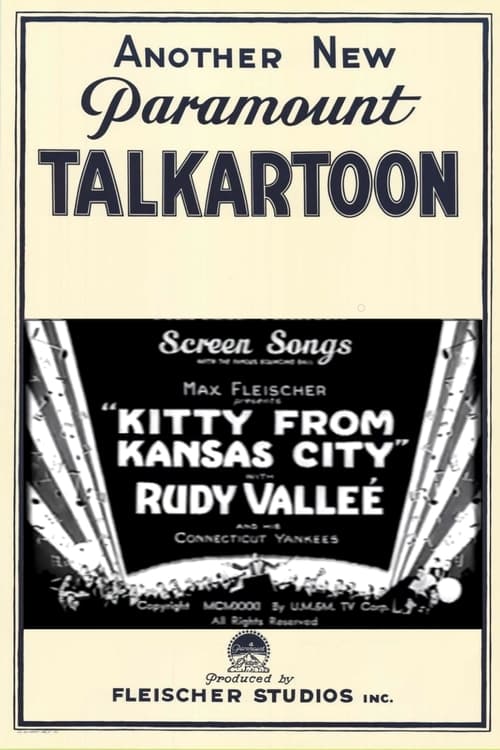
Kitty from Kansas City
1931
No user ratings available yet
Representation score: 0.8 out of 10
No Poster Available
Representation Score
Minimal
1932
Director
Dave Fleischer
Runtime
8 minutes
Average Rating
No ratings yetNew Showbiz Analysis
This 1932 musical short reflects the social hierarchies and institutional norms of its era. Featuring the iconic Betty Boop, the narrative centers around a traditional military setting and rhythmic music. The film does not intentionally disrupt social structures and relies on standard Western entertainment frameworks without offering complex or multi-layered character development.
Category Breakdown
The short focuses on a rhythmic bouncing ball sequence and a cartoon army camp. There is no indication of LGBTQ+ representation or non-cisgender identities.
Betty Boop appears as a female character, but the film's setting is dominated by male figures. The movie does not challenge traditional gender roles.
Set in a military environment typical of the time, the film likely lacks meaningful representation of diverse backgrounds. There is no evidence of diverse casting or non-human racial metaphors.
The film operates as a conventional musical comedy from the early 20th century. It upholds traditional institutional settings without critiquing them.
The provided context contains no information regarding the portrayal of physical or neurodivergent characters. No specific characters with disabilities are identified.
Present on Screen
Limited or Absent
Official Synopsis
Reis and Dunn (with Betty Boop) sing the Irving Berlin song with a Bouncing Ball. In a cartoon army camp, everything rises before the soldiers.
1931

1934
1931
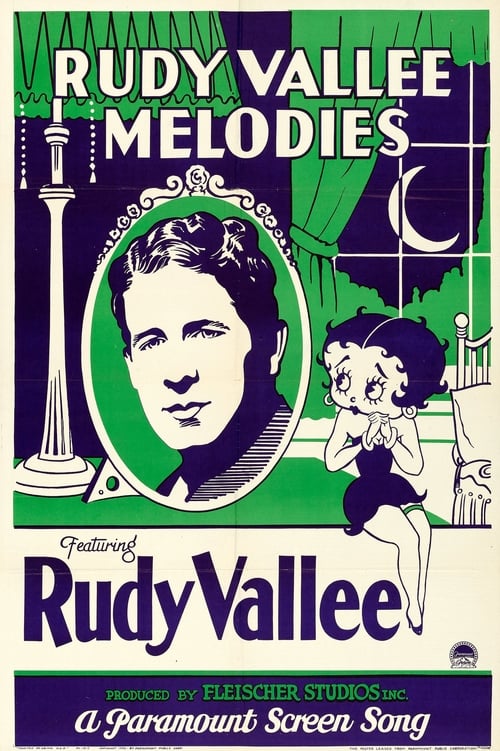
1932
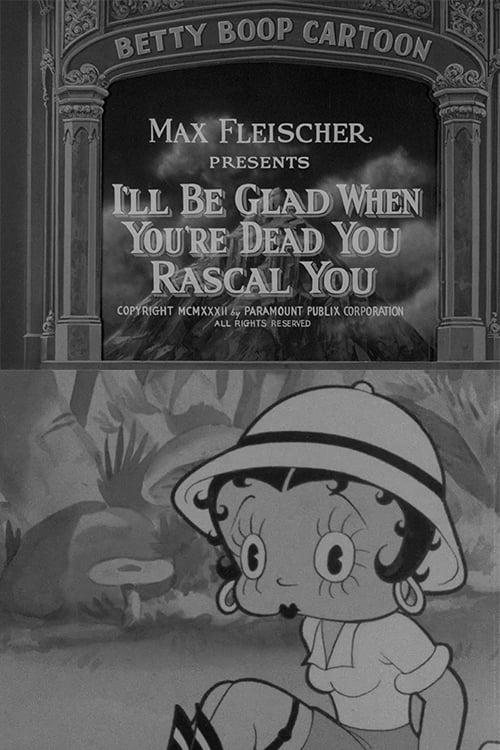
1932
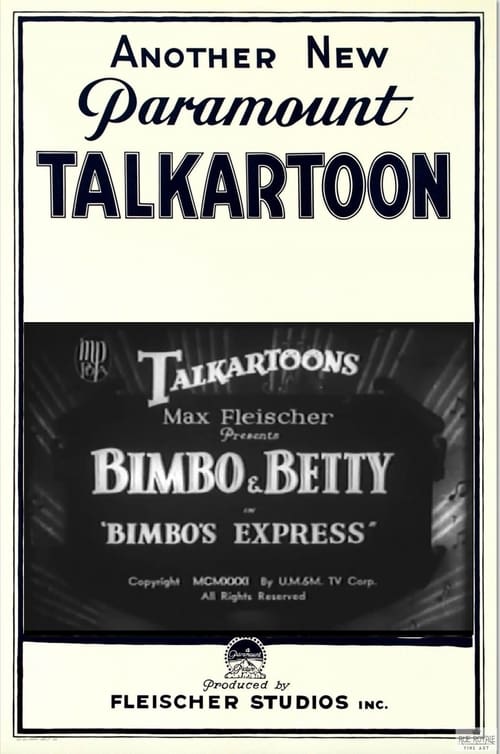
1931
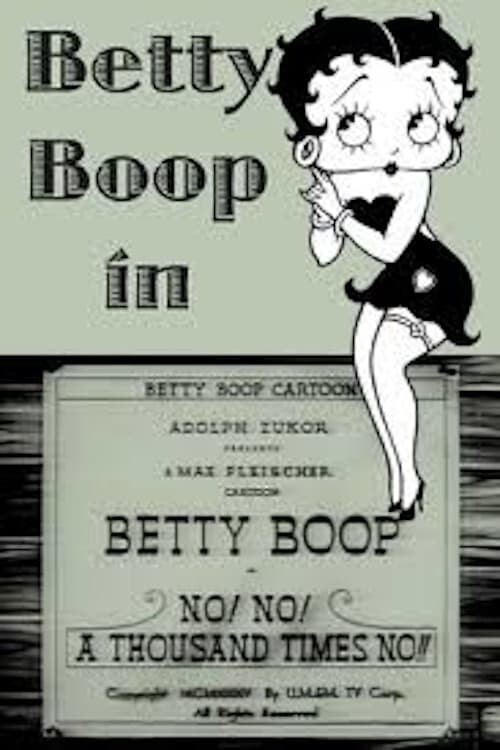
1935
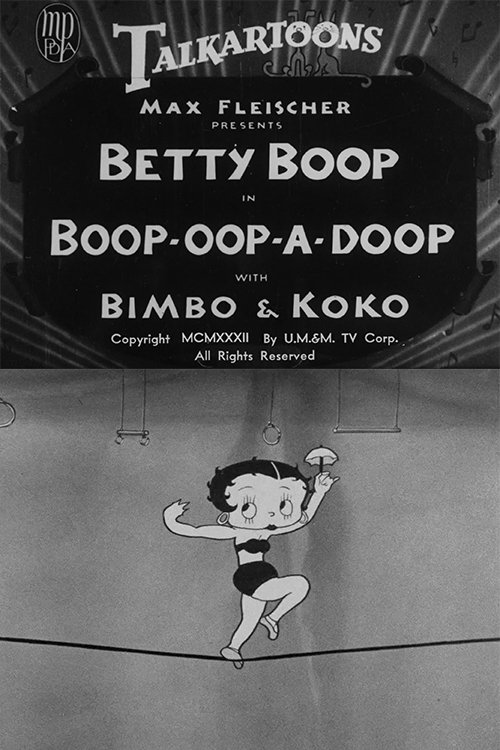
1932
No reviews yet. Be the first to share your thoughts on this movie!
Use the rating form above to leave a star rating and optional review.