The Tall Stranger
1957
No user ratings available yet
Representation score: 1.0 out of 10
Representation Score
Minimal
1959
ApprovedDirector
Paul Landres
Runtime
71 minutes
Average Rating
No ratings yetNew Showbiz Analysis
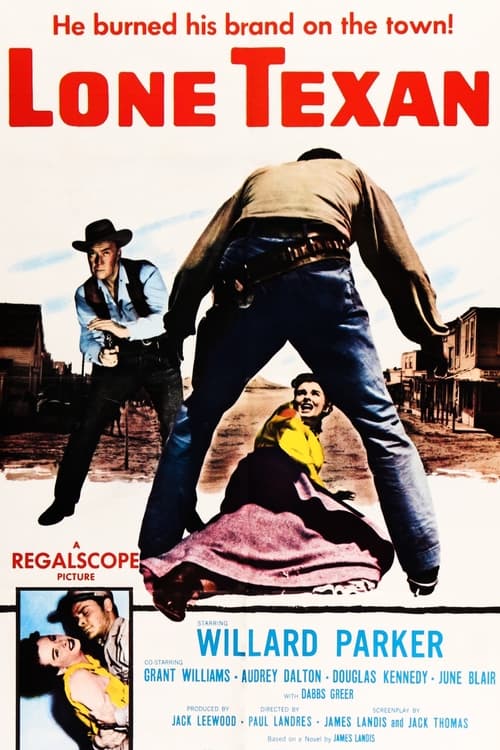
Lone Texan is a quintessential mid-century Western that prioritizes traditional genre clichés over social deconstruction. The plot centers on the tension between Union and Confederate loyalties, exploring themes of homecoming and fractured community loyalty. The film's structure hinges on localized power dynamics, particularly the tension between individual morality and the authoritarian rule of a sheriff. This creates a narrative focused on masculine conflict and institutional authority. Ultimately, the work operates within the conventional social hierarchies of 1959. It lacks representation of diverse identities, focusing instead on the standard heroics and partisan tensions typical of the era's B-movie Westerns.
Category Breakdown
The film does not include any characters with non-straight or non-cisgender identities, sticking to traditional 1950s genre norms.
The story emphasizes masculine authority and combat-driven conflict. There is no indication of women taking a leading role or challenging gender hierarchies.
The narrative focuses on Anglo-centric conflicts in the American West. There is no evidence of significant roles for non-white characters or diverse casting.
The film examines social ostracization and the corruption of local authority through traditional partisan conflicts rather than systemic identity issues.
The film does not feature any characters dealing with physical, sensory, or neurodivergent experiences.
Present on Screen
Limited or Absent
Official Synopsis
After the Civil War, a Texan who served in the Union army comes back home to find himself ostracized by his neighbors for having fought against the Confederacy. On top of that, he finds that his younger brother is now the sheriff, and is ruling the town with an iron hand.
1957

1976
1956

1972
1938
1969
1951
1970
No reviews yet. Be the first to share your thoughts on this movie!
Use the rating form above to leave a star rating and optional review.